Rise of the Third Reich part I
The Rise of Adolf Hitler: A German Perspective
The Context of Defeat and Despair
- The narrative begins with the aftermath of World War II, highlighting the devastation faced by Germany as Allied forces advance, leading to a sense of hopelessness among the German populace.
- The speaker reflects on the collective guilt and shame felt by Germans, noting that they were aware of their impending defeat long before it occurred. This sentiment is compounded by feelings of being despised and rejected by others.
- There is an acknowledgment that many Germans had turned against Adolf Hitler post-war, claiming that no one openly supported him during the conflict despite widespread persecution. This illustrates a complex relationship between leadership and public sentiment.
Understanding the Appeal of Hitler
- The speaker emphasizes that this account is not about how Hitler seized power but rather why he was granted it by the German people, suggesting a deeper societal complicity in his rise.
- Historical context is provided regarding previous humiliating defeats (post-WWI), which set a precedent for national trauma and disillusionment with democracy, leading to chaos in society. This environment created fertile ground for radical ideologies to take root.
- The atmosphere in post-WWI Germany was described as apocalyptic, where traditional values collapsed, giving rise to various self-proclaimed saviors who promised restoration amidst despair. This highlights the desperation felt across society at that time.
Early Political Maneuvering
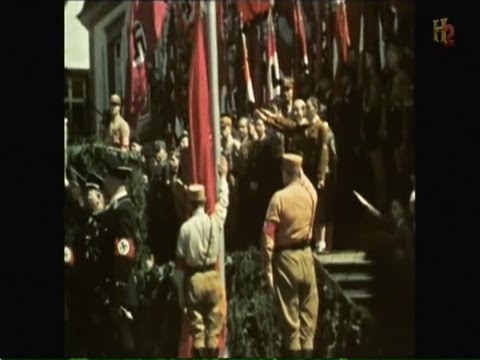
- Adolf Hitler's early political activities are chronicled through film footage from nationalist rallies where he first gained attention; his charisma began attracting followers despite initial failures in attempts to seize power. His rhetoric focused on restoring German honor and rights for workers.
- Following an unsuccessful coup attempt (Beer Hall Putsch), Hitler's image transformed into that of a martyr for his cause, using symbolism like the blood-stained swastika to galvanize support among true believers within Nazi ranks.
Growing Support Amidst Economic Crisis
- As economic conditions worsened due to the Great Depression, desperation led many Germans toward extremist solutions—either communism or Nazism—illustrating a stark choice facing citizens seeking change amid poverty and unemployment.
- Propaganda films captured these sentiments as they depicted ordinary Germans rallying behind Hitler’s promises for a better future; this marked a significant shift in public perception towards embracing National Socialism as viable governance amidst turmoil.
The Rise of Hitler: A Turning Point in German Politics
The Context of Hitler's Ascendancy
- The German presidency is discussed, setting the stage for political changes.
- Opposition to the Nazis hoped that Hitler's influence would wane; however, his personal demeanor was off-putting to many Germans.
- Despite only capturing 37% of the popular vote, the Nazis became Germany's largest political party by early 1933.
Hitler Becomes Chancellor
- On February 10, 1933, a significant radio broadcast reached around 20 million listeners, marking a pivotal moment for Hitler.
- Following this speech, there was an overwhelming surge in Nazi Party membership requests, leading to a temporary suspension of admissions.
The Reichstag Fire and Its Aftermath
- On February 28, 1933, the Reichstag (Germany’s parliament) was set ablaze; this event marked the beginning of radical changes in Germany.
- Uncertainty surrounds who started the fire; however, Hitler quickly blamed it on his rivals—the Communists.
- Nazi propaganda claimed that the fire signaled a Communist uprising across Germany.
Justifying Government Actions
- Hitler portrayed a fabricated Communist threat as justification for violent government interventions against opposition groups.
- Conversations among citizens revealed skepticism about official narratives regarding the fire but also indicated growing acceptance of state surveillance measures.
Consolidation of Power
- As radical changes unfolded in Germany under Nazi rule, they were justified as necessary actions against perceived threats.
- Daily life saw increasing violence and suppression: flags raised, buildings taken over, and newspapers banned without legal recourse.
- By March 23rd, with most Communists imprisoned and no opposition left in parliament, Hitler effectively consolidated power after just 52 days as chancellor.