¿Cómo funciona el Premio Nobel de la Paz? - Adeline Cuvelier y Toril Rokseth
What is the Nobel Peace Prize?
Origins of the Nobel Peace Prize
- The Nobel Peace Prize has been awarded to diverse figures, including a 17-year-old Pakistani girl, a Norwegian explorer, a Tibetan monk, and an American pastor.
- Alfred Nobel, known for inventing dynamite in the 1800s, was extremely wealthy by the time of his death but had no family. His will surprised many by allocating his fortune to five prizes: physics, chemistry, medicine, literature, and peace.
- Speculation exists regarding whether Nobel created the peace prize out of remorse for his inventions' destructive uses; however, he never expressed such feelings publicly.
Influences on Alfred Nobel's Decision
- Historians link Nobel's interest in peace to his friendship with Austrian pacifist Bertha von Suttner. She became the first woman to win the Nobel Peace Prize in 1905 after his death.
- In his will, Nobel outlined three criteria for the Peace Prize: disarmament, peace congresses, and brotherhood among nations. These have since expanded to include human rights and negotiations.
Nominations and Selection Process
- Valid nominations can come from various sources including national assembly members or previous laureates. However, nomination details remain confidential for 50 years.
- Martin Luther King Jr.'s nominators were only revealed in 2014 as Quakers and Swedish parliament members. There is no limit on how often someone can be nominated.
Awarding of the Prize
- The absence of awards can also carry symbolic weight; Gandhi’s lack of a posthumous award in 1948 was seen as respectful recognition.
- The selection process takes nearly a year and involves five committee members who cannot hold political office. They create a shortlist from over 300 nominations before announcing winners each October.
Characteristics of the Award
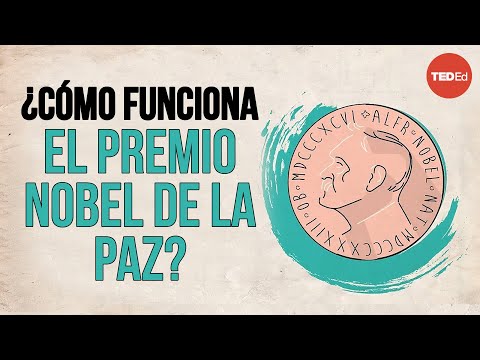
- The prize includes a gold medal inscribed with "Pro pace et fraternitate gentium" (For peace and brotherhood among men), along with a diploma and cash award—recently around 8 million Swedish crowns (~$1 million).
- While recipients may use their prize money freely, many have chosen to donate it to humanitarian causes.
Recent Trends in Recipients
- Historically dominated by European and American males, recent years have seen significant diversification among laureates.
- Notable recipients include Desmond Tutu for anti-segregation efforts in South Africa; Jody Williams for banning landmines; Rigoberta Menchú Tum for indigenous rights; Martti Ahtisaari for conflict resolution; and Aung San Suu Kyi for her nonviolent democracy advocacy.