Civil Disobedience Explained: When Citizens Say No to Laws
Understanding Civil Disobedience
Definition and Components of Civil Disobedience
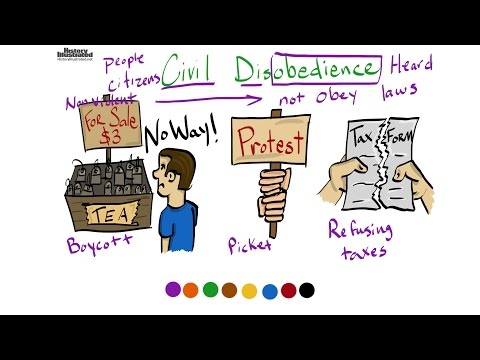
- The term "civil" refers to the people or citizens of a country, while "disobedience" indicates a lack of obedience to laws.
- Civil disobedience literally means citizens not obeying certain laws in a non-violent manner to express their dissatisfaction with the government.
Methods of Civil Disobedience
- One classic method is a boycott, where individuals refuse to purchase goods, impacting government tax revenue.
- Protests or picketing are also common forms of civil disobedience, allowing citizens to visibly express their grievances in public spaces.
- Refusing to pay taxes is another significant act of civil disobedience, as it directly denies the government access to funds.
Conclusion and Further Resources
- Viewers are encouraged to check out additional vocabulary and history videos for more insights on related topics.
Turn any video into a summary like this
YouTube links, meetings, lectures. With transcripts, search, and chat.