Create a Project Communication Plan | Google Project Management Certificate
The Importance of Communication in Project Management
The Role of Communication
- Communication is crucial for project success, as it ensures that all team members understand their roles and how their tasks contribute to the project's goals.
- As a project manager, clear and effective communication is essential since team members often seek quick answers from you.
Risks of Poor Communication
- A lack of communication can lead to missed opportunities or project failure; an example was shared where a design specialist did not attend meetings due to workload issues.
- Breakdown in communication occurred between the specialist and their manager, as well as between the specialist and the project manager.
Consequences of Miscommunication
- If the issue had gone unaddressed, it could have resulted in significant delays or unsatisfactory project delivery.
- Fortunately, only one week was lost due to miscommunication, but prompt follow-up allowed for reassignment of tasks.
Defining Effective Communication
- Effective communication involves clear, honest, relevant, and frequent exchanges of information without causing overload.
- It is vital throughout the entire lifecycle of a project to clarify goals, follow up on action items, and communicate any delays.
Establishing Consistent Communication Flow
- As a project manager, creating a consistent flow of communication increases the chances for project success by keeping everyone aligned.
- Setting the tone for team communication helps ensure that all members are informed at every stage.
Creating a Communication Plan
Purpose of a Communication Plan
- A structured communication plan helps manage various types of communications during a project effectively.
- The complexity of this plan varies with each project's size but remains essential when multiple stakeholders are involved.
Key Components of a Communication Plan
- Address critical questions: What needs to be communicated? Who communicates? When does it happen? Why and how should it be done? Where will information be stored?
Types and Recipients
- Identify types of communications such as status updates or feedback sessions; determine who receives this information (stakeholders vs. core team).
Frequency and Delivery Methods
- Specify frequency (e.g., monthly summaries for stakeholders vs. daily updates for core teams); choose delivery methods like emails or meetings based on audience needs.
Goals and Purpose
What is a Communication Plan?
Importance of Accessibility in Information Storage
- Relevant information should be easily accessible for stakeholders and team members to facilitate decision-making, task management, and updates.
Benefits of an Effective Communication Plan
- A well-structured communication plan ensures continuity in project operations, allowing new project managers to access past notes and documentation.
- It aids in effective change management by providing resources for problem-solving and decision-making after the original project manager departs.
Structuring Your Communication Plan
- The basic structure of a communication plan can vary based on the project's nature; flexibility is key.
- Key components include identifying who needs to be involved, preferred communication methods, reasons for communication, and frequency.
Building a Sample Communication Plan
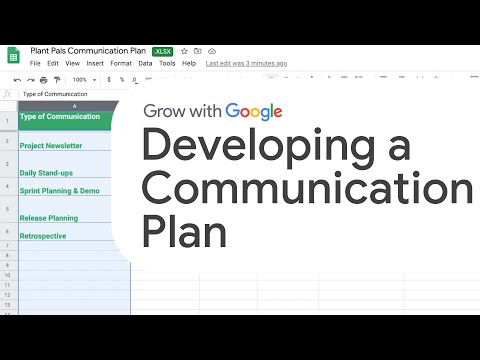
Types of Communication
- Planning communications upfront enhances effectiveness, engagement, and stakeholder involvement throughout the project.
Stakeholder Considerations
- Use tools like RACI charts and stakeholder maps to determine appropriate communication types for different roles.
Tailoring Meetings to Stakeholders' Needs
- Busy senior executives may prefer newsletters summarizing milestones instead of daily meetings.
- Core teams benefit from daily stand-ups that promote coordination and quick updates on progress.
Maintaining Effective Communication Flow
Alternative Communication Methods
- If daily meetings are impractical due to time zone differences or other obligations, consider using email status updates or project trackers.
Identifying Recipients of Information
- Determine who requires detailed information versus those needing only major milestone updates by revisiting stakeholder maps.
Best Practices for Contact Management
Listing Contact Information
- Include contact details and time zones in your communication plan while ensuring sensitive information is handled appropriately.
Frequency-Based Communication Strategies
- Adjust communication frequency based on stakeholders’ availability; senior stakeholders may require less frequent but high-level updates.
Engaging with Core Teams Regularly
Effective Communication in Project Management
Importance of Regular Meetings
- Establishing a weekly meeting for subgroups can help unblock issues and maintain project momentum.
- Key dates are crucial for coordination, especially during product launches or presentations; however, not all communications require specific dates.
Scheduling Communications
- For the monthly newsletter, schedule it on the first Monday of each month; daily stand-ups at noon; and weekly check-ins on Wednesdays at 2:00, 3:00, and 4:00.
- Delivery methods such as email, in-person meetings, or virtual meetings should be chosen based on team needs and communication effectiveness.
Adapting Communication Styles
- Different teams may prefer different communication styles (e.g., instant messaging vs. emails); adapting to these preferences is essential for effective communication.
- Emails should be concise with key points highlighted at the top to retain audience attention; longer details can follow for those needing more information.
Focusing on Stakeholder Needs
- When communicating with high-level stakeholders, it's important to address their concerns by answering "so what?" regarding project relevance.
- Understanding what information motivates core team members helps ensure timely task completion.
Collaborative Communication Efforts
- Involving other team members in communications enhances effectiveness, particularly in complex projects where expertise varies among team members.
- A column indicating sender/owner responsibilities in the communication plan clarifies who is accountable for each type of communication.
Optimizing Communication Methods
- To cater to diverse learning styles within a team, consider using various presentation formats (visual aids vs. verbal discussions).
- Sending brief surveys can provide insights into how to improve communication strategies tailored to individual preferences.
Structuring a Communication Plan
- A well-defined communication plan should identify involved parties, methods used, reasons for communication, and frequency of updates.
- The structure of a communication plan may vary based on team size and project needs but must remain clear and comprehensive.
The Role of Documentation in Project Management
Centralized Documentation Importance
Effective Project Management: Centralizing Information
Importance of Centralized Plans
- Having plans in one place enhances communication, making it quicker and easier for team members to access necessary information.
- Clear labeling and organization of files into folders facilitate sharing research across teams in different countries, optimizing workflow and minimizing duplicate efforts.
- Up-to-date project plans reduce misinterpretation and miscommunication among team members and stakeholders.
Visibility and Accountability
- Each task within a project plan should have an assigned owner and due date, fostering accountability among team members.
- In case of a project manager's sudden absence, centralized documentation allows another manager to seamlessly take over without losing critical information.
Knowledge Management Best Practices
- Documenting all plans in one location is part of knowledge management best practices, ensuring future accessibility for decision-making or similar projects.
- This practice sets a precedent for future projects, aiding new project managers by providing context from previous decisions.
Sharing Information Wisely
- It's crucial to determine what information to share with whom; focusing on key details relevant to specific individuals is essential.
- Overloading senior stakeholders with unnecessary updates can lead to disengagement; thus, concise communication is vital.
Handling Sensitive Data
- When dealing with sensitive projects (e.g., product launches), it's important to limit shared information only to what is necessary for the audience.
- Oversharing classified data risks leaks that could jeopardize company reputation and violate policies.
Protecting Personal Identifiable Information (PII)
- Resources containing PII should be restricted to approved team members only; unauthorized attempts should trigger permission requests.
Understanding the Importance of Documentation in Project Management
The Role of Documentation
- Emphasizes the significance of documentation in project management, setting the stage for effective planning and organization.
- Highlights various project planning resources created during the course, including a project plan, budget, RACI chart, risk management plan, and communications plan.
Organizing Project Information
- Discusses techniques for organizing project plans to enhance accessibility and reduce confusion among team members.
- Suggests using shared file drives (e.g., Google Drive) to centralize all project files and create a master document or spreadsheet that links to these resources.
File Organization Strategies
- Recommends creating a main folder labeled with the project's name and utilizing subfolders for better organization within shared systems.
- Introduces the concept of a centralized planning document that serves as a quick reference guide for frequently accessed files.
Enhancing Accessibility
- Advises grouping multiple spreadsheets into one sheet with tabs to streamline access to project information.
- Encourages including an overview sheet that provides essential details about the project along with instructions on how to use it effectively.
Key Learnings from the Course
Overview of Course Content
- Summarizes key components learned throughout the course related to planning phases and their impact on task completion.
Project Planning Essentials
- Covers critical aspects such as managing a project plan, time estimation methods, budgeting processes, procurement flow, and risk management strategies.
Final Thoughts on Documentation
Turn any video into a summary like this
YouTube links, meetings, lectures. With transcripts, search, and chat.