Conoce las maravillas de la Reserva Geobotánica Pululahua en Ecuador | Ecuaterra | Ecuavisa
New Section
The transcript discusses the Pululahua Geobotanical Reserve, highlighting its unique features and biodiversity near the equator in San Antonio de Pichincha.
Pululahua Geobotanical Reserve
- The reserve is a refuge for frogs with diverse flora and fauna, covering 3383 hectares near the equator in San Antonio de Pichincha.
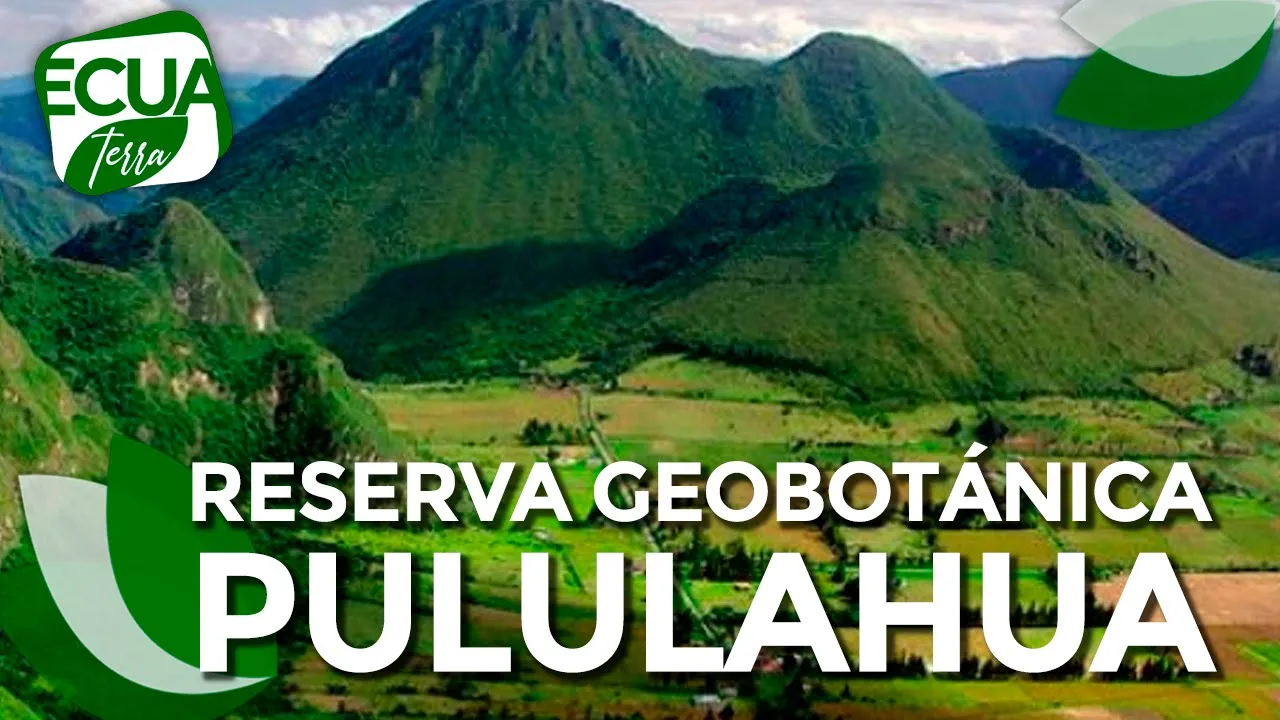
- Pululahua is a geobotanical reserve formed by three lava domes resulting from six eruptions, making it one of the two inhabited volcanoes globally.
- The volcano has a horseshoe shape, with eruptions occurring every 4000 to 4500 years, and researchers estimate the last eruption was 2000 to 2300 years ago.
- Despite appearing dormant, bubbles in the hypothermic waters of the reserve indicate volcanic activity. The area boasts attractions like blue dragonflies and water temperatures ranging from 21 to 35 degrees Celsius.
- The reserve's stream is a key feature with mineral-rich waters supporting blue dragonflies that help control fly and mosquito populations. Additionally, it houses small frog species and various wildlife such as foxes, squirrels, pumas, bats, and Andean bears.
Flora and Fauna Diversity
This section delves into the diverse plant life and animal species within the Pululahua Geobotanical Reserve.
Plant Life
- The reserve hosts around 1000 plant species including orchids like Maigua (Quito's emblematic orchid), Stelis Restrepos, Salvia Quitense, among others.
Animal Species
- Researchers focus on flora diversity but have observed various animals like butterflies, foxes, squirrels, horses, pumas, bats. The Andean bear population faces habitat challenges due to shrinking spaces leading them towards crop fields.