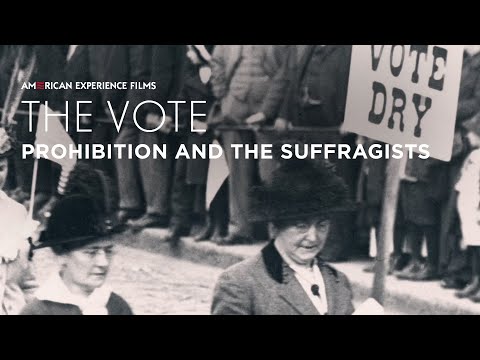
Prohibition and the Suffrage Movement | The Vote | American Experience | PBS
The Intersection of Temperance and Women's Suffrage
The Role of Susan B. Anthony in the Temperance Movement
- Eleanor Smeal highlights that Susan B. Anthony was a significant leader in the temperance movement, which focused on addressing men's behavior related to alcohol abuse and domestic violence.
- The temperance movement aimed to restrict alcohol consumption due to its detrimental effects on families, particularly how men would spend their earnings on drinking rather than supporting their wives and children.
The Woman's Christian Temperance Union (W.C.T.U.)
- Established in Ohio, the W.C.T.U. became the largest women's organization advocating for alcohol prohibition since the late 19th century, linking suffrage with home protection.
- Mary Walton notes that the liquor lobby, including distilleries and breweries, actively opposed suffrage by funding campaigns against it whenever votes were held.
Tactics Used by Opponents of Suffrage
- Elaine Weiss describes tactics employed by bars during elections, such as offering free beer to patrons who voted against women's suffrage amendments.
- There was a strong fear among liquor interests that granting women political power could lead to national prohibition.
Challenges Faced by Suffragists
- Harriet Taylor Upton attempted to distance the suffrage movement from temperance associations but faced skepticism from voters in states where brewing was economically significant.
- Despite efforts to clarify this distinction, key referendums for women's suffrage failed in Ohio (September 3rd, 1912), Wisconsin (two days later), and Michigan (November), indicating persistent opposition linked to economic interests tied to alcohol production.
Economic Interests vs. Social Reform
- Historian Alexander Keyssar emphasizes that as women connected suffrage rights with broader social reforms—like labor conditions for garment workers or temperance—powerful economic entities resisted these changes due to their vested interests in industries profiting from alcohol sales.