Sistemas de Planificación y Control de Operaciones | 82/111 | UPV
Introduction to Planning and Control Systems
Overview of Planning and Control in Operations
- Pedro García introduces the topic of planning and control systems in operations management, emphasizing their fundamental role in effective system management.
- The discussion will cover different levels of planning and scheduling, aiming to clarify long-term versus short-term concepts and their impact on decision-making within these systems.
Contextualizing Operations Management
- Operations are defined as processes that utilize resources (facilities, personnel) to transform inputs (materials, information) into outputs (products/services), highlighting the importance of customer transformation.
- The speaker notes that discussions around operations management often focus on system design and strategy, particularly concerning cost efficiency and flexibility.
Understanding Production Systems
Insights from a Ford Video
- A video from Ford is referenced to illustrate practical aspects of production systems, including machinery, product flow, environmental compliance, and workforce considerations.
- The speaker critiques the common oversight in discussing what makes these systems function effectively during design conversations.
Time Considerations in Production
- It takes nearly two days to produce a car; this duration raises questions about delivery timelines and the underlying planning processes involved.
- When a customer expresses interest in purchasing a vehicle, it triggers modifications within the planning system that affect production forecasts for upcoming weeks.
Components of Planning Systems
Defining Activities and Resources
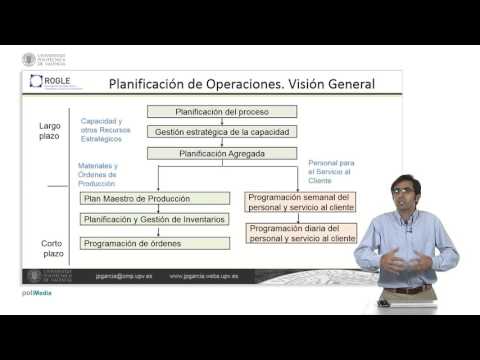
- Effective planning involves defining necessary activities, identifying required resources for each task, prioritizing them, scheduling execution times, and ensuring alignment with planned outcomes.
Terminology Clarification
- In planning terminology: "planning" refers to pre-execution activities while "control" pertains to monitoring during execution. Some versions differentiate between planning, programming, and control.
Decision-Making Framework
Structured Methodologies
- The American term "planning control systems" encompasses structured methodologies used by companies for decision-making regarding resource allocation for delivering products/services.
Common Misconceptions
- Many small businesses believe they do not require formalized planning systems; however, implicit decision-making occurs even when not explicitly structured or documented.
Importance of Forecasting
Planning and Control of Operations
Flexibility vs. Structure in Planning
- The unstructured approach to planning is seen as more flexible, allowing for last-minute adjustments such as extending work hours.
- However, a lack of explicit planning leads to higher decision-making costs and unpredictability in execution, making improvements difficult.
Long-term vs. Short-term Planning
- Long-term planning in economics allows for flexibility without restrictions; decisions made can impact future capacity management.
- Aggregate planning is frequently used by companies to optimize energy purchases based on anticipated needs over several months.
Levels of Production Planning
- Production planning involves three main levels: master production scheduling, inventory management, and explicit order programming.
- Master production scheduling determines what products will be produced among various options available.
Operational Scheduling Challenges
- In operational contexts, resources like personnel are scheduled based on customer service needs, requiring detailed calendars and adjustments.
- Larger organizations face additional complexities in supply chain management, including distribution routes and warehouse replenishment strategies.
Decision-Making Framework
- Each level of planning impacts the next; decisions at one level inform actions at another while constraining lower-level operations.
- The operations control system adapts continuously to environmental changes, ensuring effective resource allocation and decision-making processes.
Unique Systems Adaptation
- Every organization defines its operations control system based on specific service requirements and resource availability.