Ferro PRIMITIVO
How to Create Iron Using Primitive Techniques
Identifying Materials for Iron Production
- The speaker identifies hematite, a type of iron ore found in a river, and confirms its presence by testing it against quartz for a reddish streak, indicating it's likely the desired material.
- Emphasizes the need to revert to ancient methods from 2200 years ago during the Iron Age to produce iron, highlighting the importance of understanding soil types for optimal furnace construction.
Constructing the Furnace
- Discusses using clay mixed with sand as an excellent composite material for building a furnace that can withstand high temperatures and isolate heat effectively.
- Describes creating a primitive air blower using pure clay and eucalyptus wood, which is essential for injecting air into the furnace to facilitate iron production. The design must ensure equal diameter at both ends for efficiency.
Crafting Tools and Components
- The speaker explains making tools such as a cutting blade from quartz with rust impurities that help create sharp edges when tensioned correctly. This tool is used in constructing other components like the air blower.
- A method is described for creating cordage from blackberry plant fibers without destroying the entire plant, emphasizing sustainable practices while ensuring strength through twisting and weaving techniques.
Preparing Charcoal
- To produce charcoal necessary for higher energy output than raw wood, branches are stacked and covered with clay except for an open top; this process involves controlled burning to decompose organic materials while retaining carbon as fuel.
- The speaker details how water was added at night to halt combustion prematurely, resulting in high-quality porous charcoal ready for use in iron production by drying it out afterward.
Processing Iron Ore
Iron Production Process
The Role of Carbon in Iron Reduction
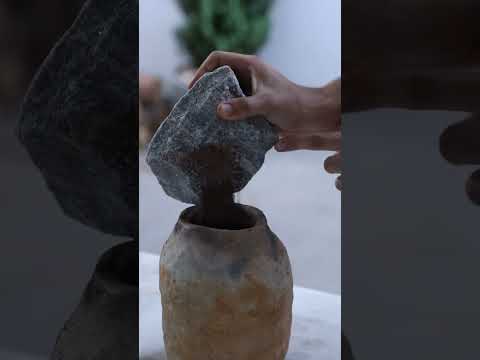
- The process begins with layering charcoal and powdered iron ore in a furnace, which is essential for the reduction of iron oxide.
- During combustion, carbon reacts with oxygen; however, insufficient oxygen leads to the formation of carbon monoxide, which plays a crucial role in extracting oxygen from iron oxide.
Transition from Iron to Steel
- Pure metallic iron has a high melting point. If not heated long enough, it becomes spongy rather than fully melted.
- Prolonged exposure to carbon allows for the dissolution of carbon into iron, leading to the creation of steel and eventually molten iron at lower temperatures.
Historical Significance of Iron and Steel
- The discovery that steel is harder than pure iron or bronze marked a pivotal moment in human history, prompting civilizations to adopt its use extensively.
Extraction and Processing Techniques
- To retrieve the metal from the furnace, significant destruction occurs as much of it fuses with slag at the bottom.