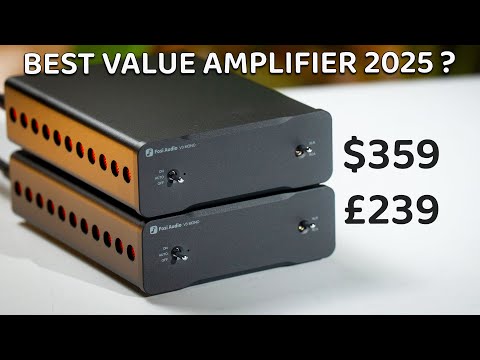
BEST VALUE HiFi Amplifier in 2025?
Fuzzy V3 Hi-Fi Monoblock Amplifiers: A Comprehensive Review
Initial Impressions and Purchase Motivation
- The speaker introduces their experience with the Fuzzy V3 hi-fi monoblock amplifiers, expressing skepticism about the "hi-fi" label.
- They acknowledge both positive aspects and significant drawbacks of the amplifiers, questioning their overall value for money.
Design and Build Quality
- The compact size of the amplifiers is noted; however, a comparison to familiar items is suggested for better understanding.
- While the amplifier's styling is appreciated, particularly copper accents, there are concerns regarding the cheap feel of speaker cable terminals.
- The external power supply is described as large compared to the amplifiers themselves, raising questions about practicality in different setups.
Power Supply and Configuration
- The inclusion of a DC filter box indicates attention to mains quality but raises doubts about whether these truly qualify as monoblock hi-fi amplifiers.
- The speaker compares them to stereo power amplifiers that share components but have individual boards, suggesting a lack of true separation in design.
Value Proposition and Target Audience
- Priced at £279 (or £244 during Black Friday), these are positioned as budget-friendly options for those looking to build separate audio systems affordably.
- Despite some complaints about design elements, they may still appeal to users seeking cost-effective solutions.
Performance Issues and User Experience
- Light chassis construction leads to stability issues when using thick cables; additional weight was needed to secure them on racks.
- Two power-on options exist: auto or manual. Auto mode is favored due to its simplicity and effectiveness in operation.
- An unusual pulsing sound occurs when powering on individually; this issue diminishes buyer confidence based on other reviews mentioning problems with these units.
Quality Control Concerns
- A warning on Amazon regarding frequent returns adds to apprehension about product reliability despite personal success with functionality so far.
- Discrepancies in LED brightness between units highlight potential quality control issues that could affect customer satisfaction.
Amplifier Comparison: Fuzzy vs. Gallion
Initial Impressions of Fuzzy Amplifiers
- The speaker reflects on previous experiences with various LED products, noting that minor issues don't bother them as much due to familiarity.
- Highlights the quality components used in Fuzzy amplifiers, such as Nichicon and Elna capacitors, suggesting good value for money.
- Mentions the claimed power output of 240 W into 4 ohms with a 10 amp power supply, indicating potential for high performance.
Sound Quality Evaluation
- Initially impressed by the sound quality of the Fuzzy amplifiers; describes music as clean, clear, lively, and full.
- Conducted listening comparisons between different sources (Whim Ultra and Blue Sound Node Icon) and found Fuzzy amplifiers superior to Ever Solo Play CD edition.
- Noted a power limit when driving Canton GLE90S2 speakers but praised the clarity and composure up to that point.
Limitations of Fuzzy Amplifiers
- Tested with Mission 770 speakers; while sound was organized, it felt dynamically limited compared to expectations from those speakers.
- Discovered significant differences in sound quality when comparing Fuzzy amplifiers to Gallion A75 amplifier at a higher price point ($1,500).
Comparative Analysis: Fuzzy vs. Gallion
- Observed that Gallion made Mission speakers come alive dynamically; noted improvements in fullness, tonality, and overall enjoyment of music.
- Emphasized how the listening experience improved significantly with Gallion despite its lower wattage rating (100 watts per channel).
Key Takeaways from Testing
- Concluded that perceived power ratings do not always correlate with actual sound quality; dynamic range is crucial for enjoyment.
- The comparison revealed that despite higher claimed wattage from Fuzzy amplifiers, they sounded mediocre next to Gallion's performance.
Amplifier and Speaker Dynamics
The Role of Speakers in Amplifier Performance
- Drivers provide a significant sound experience, enhancing the dynamism of music, which complements amplifiers like the Fuzzy that aim for clarity but have limited dynamic energy.
- The energetic nature of certain speakers can mask the limitations of an amplifier; this was evident when switching to Mission 770 speakers, which require more power from the amplifier.
- Monitor-style speakers like the Mission 770 are designed to be paired with higher-quality amplifiers, suggesting that speaker choice greatly influences overall sound quality.
Evaluating Value and Recommendations
- The recommendation for the Fuzzy amplifier is nuanced; while it offers affordability in hi-fi separates, its performance may not match higher-end models like Gallion A75.
- Personal preference plays a crucial role in deciding whether to invest in a better amplifier upfront or opt for budget-friendly options like the Fuzzy.
Sound Quality Metrics and Expectations
- While the Fuzzy amplifiers deliver great sound quality for their price, they are not comparable to high-end brands such as Macintosh; thus, expectations should be managed based on specifications.
- Specifications alone do not determine sound quality; subjective listening experiences and system context are equally important factors.
Overall Impressions of Fuzzy Amplifiers
- Despite some criticisms, the Fuzzy monoblocks impress with their charm and ability to exceed expectations relative to their cost.
- There is a desire for improved build quality and features (like VU meters), indicating that consumers value both aesthetics and functionality in audio equipment.
Consumer Preferences and Market Considerations
- The discussion invites consumer feedback on preferences between spending more for enhanced quality versus opting for budget-friendly solutions.