Interphase | Cells | MCAT | Khan Academy
Life Cycle of a Cell
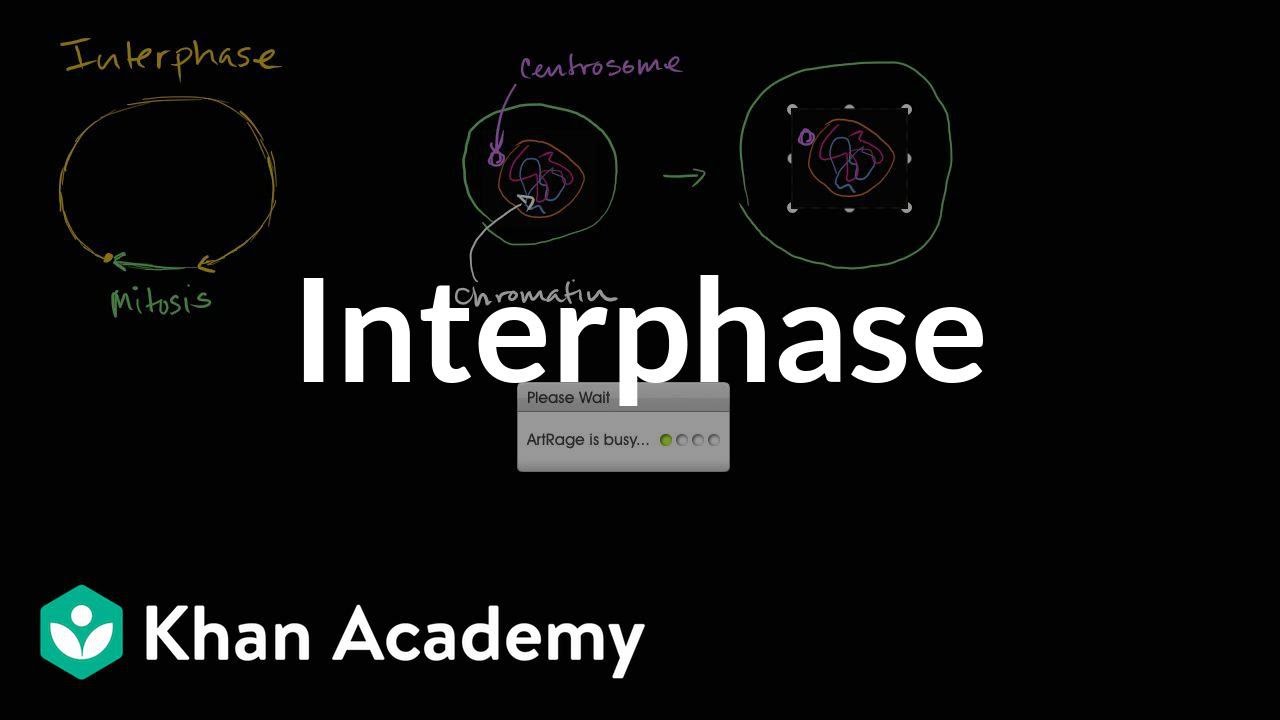
In this section, the narrator discusses the life cycle of a cell, focusing on interphase as the primary stage where a cell spends most of its time before undergoing mitosis.
Interphase and Mitosis
- Interphase is where a cell spends most of its life, engaging in activities like growth and protein production.
- Mitosis is crucial for cell division, involving the nucleus splitting into two nuclei.
- During interphase, chromosomes are unwound in their chromatin form, making them difficult to observe under a light microscope.
Cell Growth and DNA Replication
- The G1 phase marks the initial growth phase of a cell before DNA replication occurs.
- DNA replication results in two copies of genetic material within one chromosome, forming sister chromatids connected at the centromere.
Cell Division Process
This section delves into the process of cell division, highlighting key aspects such as chromosome replication and the role of centromeres.
Chromosome Replication and Centromeres
- Sister chromatids are formed during DNA replication but remain connected at the centromere until later stages when they separate into individual chromosomes.
Understanding Cell Division Phases
In this section, the speaker explains the process of cell division, focusing on genetic material replication and the phases involved.
Genetic Material Replication
- Genetic material replicates to form two copies, consisting of two sister chromatids connected at a centromere.
- The centrosome duplicates during this phase known as the S-phase or synthesis phase.
Cell Division Phases
- The S-phase is followed by a growth phase called G2 before entering mitosis.