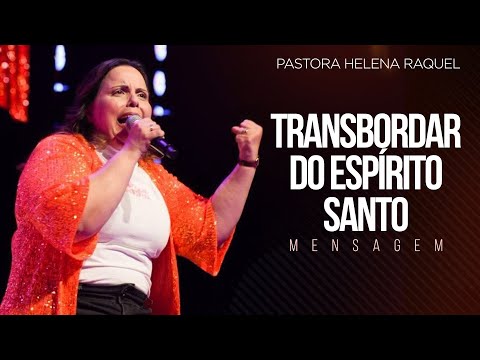
Pastora Helena Raquel | O Transbordar do Espírito Santo - Mensagem
Introduction to the Conference
Opening Remarks
- Glória a Deus! The speaker expresses joy in being present at the conference, emphasizing the importance of gathering with young people.
- Acknowledges her daughter Maria, who is 18 years old, highlighting a personal connection to the event. This adds emotional significance to her participation.
Importance of Scripture
- Encourages attendees to bring physical Bibles, stating that they symbolize powerful truths and convey messages without words. She emphasizes their importance in spiritual gatherings.
- Mentions Acts of the Apostles as a foundational text for understanding church history and identity, urging attendees not to miss out on acquiring their own Bible.
Understanding Acts of the Apostles
Key Verses and Themes
- Quotes Acts 1:8 about receiving power from the Holy Spirit and being witnesses across regions, setting up a discussion on empowerment through faith.
- References Acts 2:4 where believers are filled with the Holy Spirit and speak in tongues, indicating a transformative experience for early Christians.
The Role of Prayer
- Invites participants to raise their hands for prayer, expressing gratitude for God's word and asking for His guidance during the conference. This highlights community worship practices.
The Church's Evolution Through Acts
Family Album Analogy
- Compares Acts of the Apostles to a family album that helps recognize roots and history within Christianity; it serves as a reminder of how early believers lived their faith.
Phases of Early Church Development
- Discusses three phases depicted in the first three chapters of Acts:
- Pre-Pentecost Church (Acts 1): Describes an organized group with biblical knowledge but lacking empowerment from the Holy Spirit.
- Pentecost Experience (Acts 2): Marks a significant transformation where believers receive power through the Holy Spirit.
- Post-Pentecost Church (Acts 3): Illustrates how empowered believers actively live out their faith based on previous experiences with God’s spirit.
This structured approach provides clarity on key themes discussed during this segment while linking back to specific timestamps for further exploration or review by attendees or readers interested in deepening their understanding of these concepts within Christian teachings.
Understanding the Conduct of the Church
Two Types of Conduct
- The speaker introduces two types of conduct: one for those who have not yet received power and another for those who have. This distinction sets the stage for discussing spiritual empowerment in the church.
Jesus' Last Teachings
- The context is framed around Jesus’ final moments with His disciples, emphasizing their eagerness to absorb His teachings as He prepares to leave them physically. This moment is likened to a beloved pastor giving last recommendations before departing.
Spiritual Promises
- Jesus instructs His followers to remain in Jerusalem and wait for the promise of the Father, which refers to receiving the Holy Spirit. This highlights the importance of spiritual preparation over political concerns.
Interruption by Political Concerns
- A disciple interrupts Jesus with a question about restoring Israel's kingdom, reflecting a focus on political issues rather than spiritual ones. This interruption illustrates a common tendency to prioritize social and political matters over divine instructions.
The Primacy of Spiritual Mission
- The speaker argues that early Christians were politically engaged but emphasizes that their primary mission should be spiritual—receiving the Holy Spirit rather than focusing solely on societal issues or governance. They stress that true change comes from spiritual empowerment rather than political activism alone.
The Role of Social Issues in Faith
Addressing Political Oppression
- While acknowledging legitimate concerns regarding political oppression under Roman rule, it is asserted that without spiritual transformation through the Holy Spirit, efforts toward social justice will be ineffective. The emphasis remains on prioritizing faith over politics.
Distraction from Spiritual Focus
- The speaker critiques how some believers become distracted by materialism and secularism when they fail to experience spiritual empowerment, leading them away from deeper revelations and truths found in faith.
Traditionalism vs Tradition
- A distinction is made between being traditionalist (rigid adherence) versus having tradition (valuing heritage). Jesus redirects attention away from temporal concerns towards what truly matters—spiritual readiness and empowerment through the Holy Spirit.
Jesus' Response to Concerns
Assurance Amidst Uncertainty
- Jesus reassures His disciples that it is not their place to know specific times or seasons set by God; instead, they should trust in God's plan while remaining focused on their mission—to receive power through the Holy Spirit and spread His message effectively amidst worldly distractions.
Power and Tradition in Faith
The Call for Power
- The speaker acknowledges various societal issues such as social injustice, corruption, and violence, emphasizing that despite these problems, the focus should be on receiving power now rather than engaging in social media disputes.
- Emphasizes the importance of transitioning from being a disciple to actively receiving power after theological education or church involvement.
Breaking Traditional Barriers
- Highlights that mere participation in church activities (like playing in an orchestra or volunteering) is not enough; one must seek true spiritual power.
- Critiques traditionalist views within the church that prioritize outdated protocols over genuine spiritual engagement and empowerment.
Redefining Membership Criteria
- Discusses the need to replace Judas among the disciples with someone who has been genuinely engaged with God, questioning traditional criteria for leadership roles.
- Argues that traditionalism often imposes unnecessary rules for group membership that Jesus never requested, hindering potential leaders from emerging.
Empowerment Beyond Tradition
- Encourages individuals regardless of their background—whether they come from a Christian family or are first-generation believers—to embrace their calling without needing validation through traditional credentials.
- Challenges the notion that women cannot preach by referencing Mary Magdalene's role in spreading the resurrection message, advocating for inclusivity within ministry.
The Church's Disconnect from Spirituality
- Describes "Igreja de Atuzum" as materialistic and overly focused on political matters at the expense of spiritual growth and spontaneity.
- Concludes with a critique of how decisions within this church are made based on human standards rather than divine guidance, exemplified by casting lots to choose leaders instead of seeking direct revelation.
What is the Role of the Church in Decision-Making?
Cultural Context and Decision-Making
- The speaker discusses the ancient Jewish culture where decisions were made collectively, sometimes using stones or rhythms as tools for guidance.
- Emphasizes that there are various governance structures within different denominations, highlighting a disconnect between church members and decision-making processes.
- Warns against individuals trying to dictate church direction, stressing that such behavior can create problems for pastors and disrupt spiritual leadership.
Community Dynamics
- Compares church decision-making to a World Cup scenario, indicating that opinions should not overshadow divine guidance in spiritual matters.
- Reflects on how some congregants focus on trivial issues rather than seeking spiritual nourishment from their community.
Spiritual Leadership
- Encourages believers to adopt a mindset of curiosity about spiritual sustenance rather than getting caught up in administrative concerns.
- Highlights the importance of being receptive to what God has planned for the congregation instead of managing problems.
The Role of the Holy Spirit
- Discusses how traditionalism and political issues can hinder spiritual growth; emphasizes reliance on the Holy Spirit for guidance.
- Describes a moment when everyone is gathered together spiritually without distractions or disputes over minor details.
Collective Worship Experience
- Invites participants to connect with one another physically as a sign of unity within the church community.
- Proclaims that they are part of a new phase (Acts III), emphasizing collective empowerment through the Holy Spirit's presence during worship.
Empowerment Through Speaking in Tongues
- Calls upon attendees to be filled with the Holy Spirit, encouraging them to express themselves through speaking in tongues as an act of faith.
- Urges participants to begin speaking in tongues spontaneously, reinforcing an atmosphere charged with divine energy and connection.
The Power of the Holy Spirit in the Church
Speaking in Tongues and Spiritual Gifts
- The speaker emphasizes the importance of speaking in tongues, stating that despite opposition from traditionalists and cessationists, the "tongue of fire" remains active within the church.
- A personal anecdote is shared about receiving the Holy Spirit at age 12, highlighting that this experience opens a "door" to various spiritual gifts beyond just speaking in tongues.
- The speaker encourages believers to expect further gifts such as discernment and prophecy when filled with the Holy Spirit, reinforcing a dynamic relationship with God.
The Role of Community in Faith
- The speaker identifies the church as a community that does not walk alone but together, referencing Peter and John’s unity while heading to prayer despite societal challenges.
- Emphasizes that those filled with the Holy Spirit remain connected to their community, even during personal struggles or feelings of superiority.
Acts of Service and Transformation
- Discusses how a spirit-filled church actively engages with those in need, contrasting its actions against social policies or government efforts.
- Highlights an example from Acts 3 where Peter and John interact with a beggar at the temple gate, showcasing faith's power over material wealth.
Humility and Dependence on God
- The speaker contrasts attitudes between different groups within early Christianity; one group avoids eye contact out of fear while another confidently invites attention to their spiritual authority.
- Stresses that true power comes not from material wealth but from what believers carry spiritually—inviting others to look towards them for divine help rather than earthly riches.
Authority in Jesus' Name
- Declares that through Jesus’ name, believers can perform miracles; this marks a significant moment for the early church as they begin using His name without His physical presence.
- Describes how healing occurs when Peter reaches out physically to someone who was once disabled, symbolizing transformation through faith and community support.
Challenges Faced by Believers
- Concludes by addressing challenges faced by modern churches; unity among members is essential for overcoming obstacles together.
- Encourages openness to challenges as part of faith growth while inviting participation from all members within ministry activities.
Spiritual Awakening and Speaking in Tongues
The Call to Speak in Tongues
- The speaker emphasizes the importance of spiritual awakening, urging individuals to seek the ability to speak in tongues as a sign of divine connection.
- A call is made for those who have previously prayed in tongues but stopped, encouraging them to stand up and prepare for a transformation through Jesus.
- The act of worshiping Jesus is highlighted as essential for receiving this gift, suggesting that adoration opens pathways for spiritual experiences.
Focus on Worship
- Participants are instructed to focus solely on adoring Jesus without asking for material possessions or relationships at this moment.
- The repetition of "just adore" underscores the significance of pure worship as a precursor to experiencing spiritual gifts like speaking in tongues.
- There’s an indication that some attendees may already be ready to begin speaking in tongues, suggesting an immediate readiness among participants.
Community and Empowerment
- The speaker expresses a vision of leaving the gathering not just transformed individually but also empowered to uplift others who are marginalized or neglected.
- Emphasis is placed on community engagement—reaching out and supporting those who feel isolated or untouched by spirituality.
- A call is made for living a vibrant prayer life, contrasting with past church experiences while affirming their identity as part of a powerful community.
Understanding Spiritual Gifts
- The speaker articulates that understanding and receiving power from the Holy Spirit involves being witnesses—a theme repeated throughout the message.
- Encouragement is given to open one's mouth and express oneself spiritually, reinforcing active participation in faith practices.