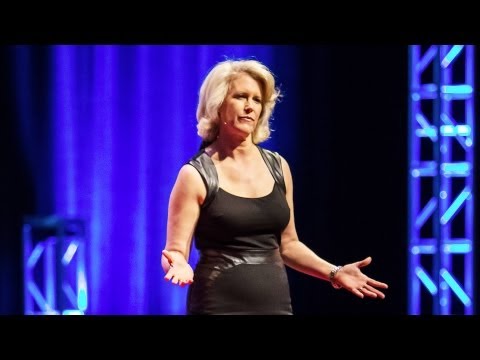
Why domestic violence victims don't leave | Leslie Morgan Steiner | TED
The Secrets of Domestic Violence
In this talk, the speaker discusses the disturbing question of why victims of domestic violence stay in abusive relationships. She shares her personal story and sheds light on the psychological trap disguised as love that many women fall into.
Why Does She Stay?
- The speaker addresses the common question of why victims stay with their abusers.
- She shares her own experience as a survivor of domestic violence.
- Domestic violence can happen to anyone regardless of education, income, or background.
- Domestic abuse is not limited to women; over 85% of abusers are men.
- Young women between ages 16 to 24 are particularly vulnerable to domestic violence.
The Illusion of Love
- The speaker recounts how she met her abuser and was initially charmed by him.
- Her abuser created an illusion that she was the dominant partner in the relationship.
- The first stage in a domestic violence relationship is seduction and charm.
- The second step is isolating the victim from friends, family, and support networks.
Understanding Domestic Violence
- Abusers manipulate their victims by making them feel safe and loved.
- Domestic violence happens behind closed doors and often goes unnoticed by others.
- Victims may lack knowledge about warning signs and patterns of domestic violence.
These notes provide an overview of the talk on domestic violence, highlighting the speaker's personal experience and shedding light on why victims stay in abusive relationships. The illusion of love and the manipulation tactics used by abusers are discussed, along with the importance of understanding domestic violence.
Sacrifices for Love
The speaker talks about how she quit her job and left Manhattan with her partner, not realizing that she was entering a dangerous relationship.
Falling into a Trap
- The speaker agreed to quit her job and leave Manhattan with her partner, thinking that sacrifices are made for soulmates.
- She later realizes that she was falling into a trap of physical, financial, and psychological abuse.
- Her partner buys three guns as a way to introduce the threat of violence and control her.
Guns as Control
The speaker discusses how her partner's possession of guns became a form of control in their relationship.
Guns as Messages
- After moving to New England, the speaker's partner buys three guns.
- He keeps one in the car glove compartment, one under the pillows on their bed, and carries one in his pocket at all times.
- While he claims it is for protection due to his past trauma, it becomes clear that these guns are meant to send a message of power and control over the speaker.
Physical Abuse Begins
The speaker recounts the first physical attack by her partner before their wedding.
First Attack
- Five days before their wedding, the speaker's partner physically attacks her.
- He puts both hands around her neck and chokes her while repeatedly hitting her head against the wall.
- Despite this incident, the speaker still believes they will have a happy future together because she loves him.
Continued Abuse
The speaker describes how physical abuse continued throughout their marriage.
Honeymoon Incidents
- During their honeymoon, there were two more instances of physical abuse.
- In one incident, he punches her head while driving because she got lost.
- In another incident, he throws a Big Mac at her face out of frustration.
- The abuse continues for the next two and a half years of their marriage, occurring once or twice a week.
Domestic Violence Statistics
The speaker highlights the prevalence of domestic violence and shares why she stayed in the abusive relationship.
Alarming Statistics
- One in three American women experiences domestic violence or stalking at some point in their lives.
- The CDC reports that 15 million children are abused annually.
- The speaker realizes she is not alone in this situation and that many others face similar challenges.
Reasons for Staying
The speaker explains why she stayed in the abusive relationship despite the violence.
Lack of Awareness
- The speaker didn't realize she was being abused, even though her partner threatened her with loaded guns, pushed her down stairs, and engaged in other violent acts.
- She saw herself as a strong woman trying to help her troubled partner overcome his demons.
Difficulties of Leaving
The speaker discusses the dangers and challenges victims face when trying to leave an abuser.
Danger of Leaving
- Leaving an abuser can be incredibly dangerous.
- Over 70 percent of domestic violence murders occur after the victim has ended the relationship.
- Other outcomes include long-term stalking, denial of financial resources, and manipulation through family court systems.
Breaking Free
The speaker shares how she finally left the abusive relationship after realizing it could cost her life.
Breaking the Silence
- After experiencing one final brutal beating, the speaker realized that staying would lead to her death.
- She reached out for help by informing police, neighbors, friends, family, and strangers.
- With their support, she was able to leave and rebuild her life free from violence.
Hope and Recovery
The speaker emphasizes that victims of domestic violence can rebuild their lives and find happiness.
Stories of Survival
- Many men and women who have experienced domestic violence have successfully rebuilt their lives.
- They have learned valuable lessons, found joy, and become employees, spouses, and parents free from violence.
- The speaker remarried a kind and gentle man, has children, and lives a life without the threat of abuse.
Understanding Domestic Violence
The speaker challenges stereotypes surrounding domestic violence victims and highlights the importance of understanding the complexity of abusive relationships.
Challenging Stereotypes
- Victims should not be stereotyped as self-destructive or damaged goods.
- Asking why victims stay is often blaming them for their situation.
- By sharing stories and raising awareness, we can better understand the dynamics of domestic violence.
New Section
The speaker shares their personal experience with domestic violence and emphasizes the importance of breaking the silence to end abuse.
Breaking the Silence (0:14:30 - 0:14:59)
- The speaker ended their own love story by breaking the silence about domestic violence.
- They encourage others to also break the silence and help victims by talking about what they have heard.
- Domestic violence thrives in silence, so shining a spotlight on it can help end it.
- Everyone needs to understand the secrets of domestic violence and talk about it with their children, coworkers, friends, and family.
- By recognizing early signs of violence and portraying survivors as wonderful people with full futures, we can show abuse in the light of day.
The language used in this section is English.
Turn any video into a summary like this
YouTube links, meetings, lectures. With transcripts, search, and chat.