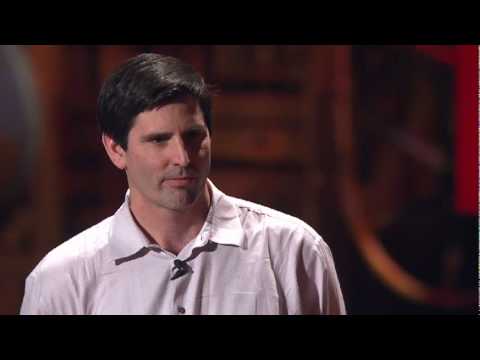
Debate: Does the world need nuclear energy?
What the World Needs Now is Nuclear Energy
In this debate, the proposition being discussed is whether the world needs nuclear energy. The audience is initially asked to indicate their stance on the topic, and then two speakers present arguments for and against nuclear energy.
Opening Remarks and Audience Stance
- Chris Anderson introduces the debate and asks for a show of hands to determine the initial stance of the audience.
- The majority of the audience is in favor of nuclear energy.
- The format of the debate is explained, with each speaker given six minutes to present their arguments.
Arguments in Favor of Nuclear Energy
- Stewart Brand, a founder of the environmental movement, supports nuclear energy due to its role in addressing climate change.
- Nuclear power is favored by climatologists as a clean and scalable source of electricity.
- With increasing urbanization and demand for electricity, nuclear power can provide reliable baseload electricity.
- Comparatively, nuclear waste is manageable while fossil fuels contribute significantly to greenhouse gas emissions.
Comparison with Other Renewable Sources
- Wind and solar energy are discussed as alternative sources but have limitations compared to nuclear power.
- Wind energy requires large land areas for wind farms and has limitations in terms of scalability.
- Solar farms require significant land use, which may impact natural landscapes negatively.
- Achieving large-scale clean energy from renewables would require vast areas comparable to the size of the United States.
Safety and New Generation Reactors
- Nuclear reactors are highlighted as safe options for generating electricity.
- Small-scale reactors referred to as "nuclear batteries" offer safety features and proliferation resistance.
- Various new generation reactors are mentioned, including designs from Toshiba, Russia, New Mexico, and Oregon.
Summary
Nuclear energy is debated as a solution to the world's energy needs. Supporters argue that it provides clean and scalable electricity, particularly in the face of climate change and increasing urbanization. Comparisons are made with other renewable sources such as wind and solar energy, highlighting their limitations. Safety features of nuclear reactors are emphasized, along with the potential of new generation reactors.
The Impact of Nuclear Energy vs Renewable Energy
In this section, Professor Mark Jacobson discusses the impact of nuclear energy compared to renewable energy sources such as wind, solar, geothermal power, hydro-tidal wave power. He highlights the carbon dioxide (CO2) emissions, delays in construction, and air pollution health effects associated with nuclear energy.
CO2 Emissions and Delays in Construction
- Nuclear energy puts out more CO2 emissions and air pollutants compared to real renewable energy systems.
- Wind and concentrated solar have the lowest CO2 emissions among different energy sources.
- It takes between 10 and 19 years to construct a nuclear power plant from planning to operation.
- The construction time for nuclear power plants is significantly longer than that of wind or solar energy systems.
Air Pollution Health Effects
- Nuclear energy reduces air pollution-related deaths compared to traditional electric power grids fueled by coal.
- Wind energy has a much lower CO2 equivalent emission rate than nuclear energy.
- Wind and concentrated solar have greater reductions in death rates due to air pollution compared to nuclear energy.
Nuclear Weapons Proliferation
- Nuclear weapons proliferation is associated with nuclear energy proliferation.
- Large-scale expansion of nuclear energy could lead to increased risks of nuclear weapons development by countries like India, Pakistan, North Korea, Iran, and Venezuela.
Footprint Comparison
- The footprint on the ground for wind turbines is smaller than any other energy source.
- Nuclear facilities require a larger area including buffer zones and uranium mining sites.
- Cellulosic ethanol and corn ethanol require more land compared to wind energy.
- Geothermal energy has a smaller footprint than both nuclear and wind energy.
Power Supply Reliability
- Hour-by-hour power supply can be matched by combining different renewable energy sources.
- There is an abundance of wind resources available worldwide to meet the global demand for electricity.
These are the key points discussed by Professor Mark Jacobson regarding the impact of nuclear energy versus renewable energy sources.
Debate on Nuclear Power
In this section, the debate on nuclear power is discussed, with arguments for and against its use.
Arguments for Nuclear Power
- Stewart Brand argues that many studies linking nuclear power to greenhouse gas emissions include assumptions about war and cities burning, which he believes is a stretch. He points out that most nations with nuclear power already had nuclear weapons before acquiring nuclear energy.
- Brand suggests that pushing ahead with nuclear power can help in tracking fissile material and moving towards zero weapons left. He mentions that countries like China, India, Europe, and North America have sorted out their situation regarding nuclear weapons.
- Rod Beckstrom supports Brand's position from a risk-management standpoint. He believes that the risks of overheating the planet outweigh the risk of a nuclear incident. Beckstrom emphasizes the need for bipartisan support in addressing global warming.
Arguments against Nuclear Power
- Mark Jacobson argues that countries like India and Pakistan developed nuclear weapons after having nuclear energy. He claims there is no need for nuclear power when renewable energy sources like solar and wind are available.
- David Fanton warns about propaganda from the industry favoring nuclear power and urges people to consider the potential accidents associated with transporting radioactive waste. He also raises concerns about terrorist threats targeting transportation vehicles carrying such materials.
Need for Reliable Energy Generation
- Alex highlights an arithmetic problem where renewable energy sources alone may not be sufficient to meet energy demands consistently. He suggests recycling existing nuclear weapons as a solution to generate continuous energy supply.
- Another participant argues against the notion of needing more alternative resources by pointing out advancements in renewable technologies over time.
Final Pitches
In this section, the speakers provide their final statements summarizing their positions on nuclear power.
- Stewart Brand appreciates a chart presented by one of the participants that shows how solar and wind energy can complement each other. He emphasizes the need for a balanced approach to meet energy demands.
- Another participant acknowledges the availability of alternative renewable resources and argues against the necessity of nuclear power.
- Alex reiterates the arithmetic problem of insufficient renewable energy capacity and suggests nuclear power as a reliable solution.
- David Fanton warns about potential accidents, long-term environmental impact, and terrorist threats associated with transporting radioactive waste.
New Section
In this section, the speaker discusses the use of nuclear waste as fuel in the fourth generation of reactors and the need for small reactors to move forward. The Nuclear Regulatory Commission's involvement is mentioned.
Using Nuclear Waste as Fuel
- The speaker mentions that nuclear waste will be used as fuel in the fourth generation of reactors.
- Small reactors are emphasized as needing to progress.
- It is stated that an act of Congress may be required to prompt the Nuclear Regulatory Commission to take action on small reactors.
New Section
This section highlights the importance of small reactors and the need for quick action from the Nuclear Regulatory Commission.
Importance of Small Reactors
- The speaker emphasizes the necessity of small reactors both domestically and globally.
- Quick action from the Nuclear Regulatory Commission is deemed crucial for advancing small reactor technology.
New Section
In this section, analysis on power demand and supply, specifically solar and wind energy, is discussed. The availability of wind resources and their cost competitiveness are mentioned.
Power Demand and Supply Analysis
- Hour-by-hour power demand and supply have been analyzed using data from California, focusing on solar and wind energy.
- It is claimed that hour-by-hour power demand can be matched throughout the year.
- The first wind map of the world has been developed based solely on data at 80 meters height.
- Wind resources cover approximately 15% of land in the United States with sufficient speed for cost competitiveness.
- Solar energy resources are more abundant than wind resources.
New Section
This section discusses reliable renewable energy sources such as wind and solar energy.
Abundance of Renewable Energy Resources
- Approximately 15% of land in the United States has wind resources with sufficient speed for cost competitiveness.
- Solar energy resources are even more plentiful than wind resources.
- The speaker asserts that renewable energy can be made reliable.
New Section
The speaker humorously advocates for nuclear energy and gauges the TED community's opinion on the matter.
Advocating for Nuclear Energy
- The speaker playfully suggests that nuclear energy is what the world needs.
- A show of hands is requested from those in favor of nuclear energy, resulting in a positive response from the audience.
- The speaker asks those against nuclear energy to raise their hands, receiving a negative response.
New Section
This section highlights a shift in the mood of the TED community regarding nuclear energy after a debate.
Shift in Opinion
- The speaker notes that supporters were won by both sides during the debate on nuclear energy.
- According to the speaker's count, there was a shift in favor of nuclear energy among the TED community.
Turn any video into a summary like this
YouTube links, meetings, lectures. With transcripts, search, and chat.