2.1 ¿Qué es un ERP?
Introduction to ERP
This section provides an introduction to ERP (Enterprise Resource Planning) and its significance in managing various aspects of a business.
What is an ERP?
- An ERP stands for Enterprise Resource Planning, which refers to software that manages and automates practices associated with business management.
- It facilitates the smooth flow of information between different parts of a company, such as manufacturing, logistics, finance, and human resources.
- The main objectives of an ERP include improving process optimization, gaining comprehensive knowledge about organizational components, and accessing shared information.
Advantages of an ERP
- An ERP is designed to handle multiple tasks without the need for additional applications or integration with third-party software.
- It treats a company as a set of interconnected departments that share information and processes.
- The modular nature of an ERP allows for customization based on specific business needs without paying for unnecessary modules.
- ERPs are highly configurable and incorporate high-level programming tools for process development.
Components and Functions of an ERP
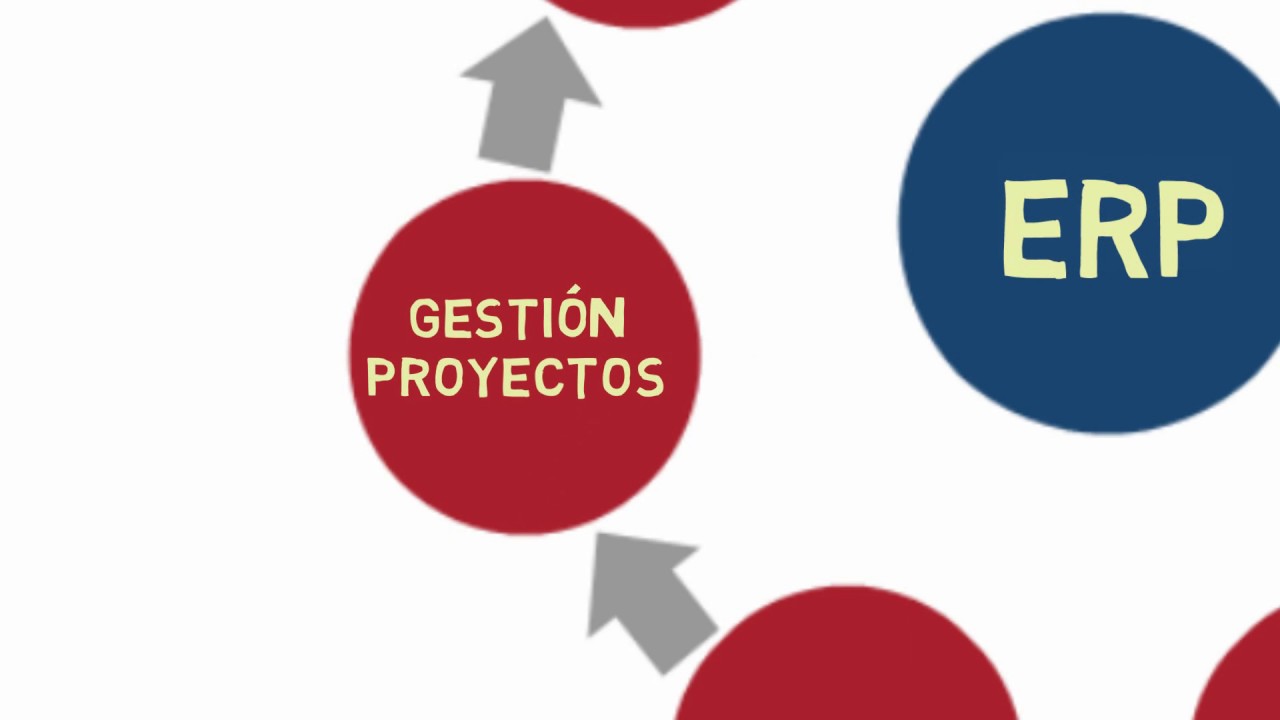
- ERPs consist of different modules that serve various purposes such as production, sales, purchasing, logistics, accounting, project management, inventory control, and more.
- These systems are often referred to as back-office solutions since they are not accessible to customers or the general public.
- ERPs directly interact with suppliers and handle production, logistics, distribution, invoicing, and accounting in a modular manner.
- They can also be involved in activities like sales management, delivery tracking, payment processing,
inventory administration quality control,
human resource management.
Key Features of an ERP
- Modularity: ERPs understand that companies consist of interrelated departments sharing information generated from their processes.
- Configurability: ERPs can be customized through software code development according to specific requirements. For example,
inventory control may differ between companies.
- High-level programming tools: ERPs incorporate fourth-generation programming tools for rapid development of new processes.
- Specialized Solutions: Some ERPs are designed for specific industries like pharmaceuticals or energy, catering to the unique needs of those businesses.
Conclusion
This section concludes the discussion on ERP by summarizing its distinguishing characteristics and specialized applications in different industries.
Distinguishing Characteristics of an ERP
- Modularity: ERPs are divided into modules that can be installed based on client requirements, such as sales, finance, warehouse control, and human resources.
- Configurability: ERPs can be configured through software code development to meet specific needs. For example, inventory management may vary between companies.
- Tools for Rapid Development: ERPs incorporate high-level programming tools to quickly develop new processes and functionalities.
- Specialized Solutions: Some ERPs are tailored to specific industries like pharmaceuticals or energy, providing solutions that align with their unique requirements.
Specialized ERP Applications
- Certain industries have specialized ERPs that cater specifically to their needs. Examples include the pharmaceutical and energy sectors.
- These specialized ERPs offer solutions that closely align with the real needs of customers in these industries.
The transcript does not provide any further information beyond this point.