OFPPT Academy SOFT SKILLS : Gestion de stress PARTIE 13
New Section
In this section, the speaker discusses the importance of realization, commitment, participation, and perseverance in achieving goals effectively.
Realization and Commitment
- The speaker emphasizes that concrete realization cannot occur without commitment to tasks.
- Commitment involves taking responsibility for completing planned tasks and facing challenges head-on.
Perseverance and Goal Achievement
- Persistance is crucial as one cannot execute plans in a single day; consistency is key to success.
- Lack of perseverance leads to abandoning plans prematurely, hindering progress both personally and professionally.
New Section
This part delves into the necessity of time management skills for individuals across various professions and personal endeavors.
Importance of Time Management
- Time management skills are essential for professionals like doctors, managers, engineers, or any individual to follow effective planning strategies.
- Effective time management is considered a soft skill applicable across all fields due to its universal relevance.
New Section
Here, the focus shifts towards maintaining perseverance, rhythm continuity, and self-improvement in time management practices.
Maintaining Consistency
- Consistency in work ethic is vital; initiating work promptly without giving up ensures effective time management.
- Establishing routines tailored to personal needs aids in organization and goal achievement for everyone from entrepreneurs to job seekers.
New Section
This segment highlights the significance of surrounding oneself with organized individuals for motivation and improvement in time management habits.
Surrounding Oneself with Organized Individuals
- Being around organized peers can inspire better time management practices through mutual encouragement and shared goal-setting.
- Collaborating with like-minded individuals can lead to collective progress by fostering motivation and dedication towards common objectives.
New Section
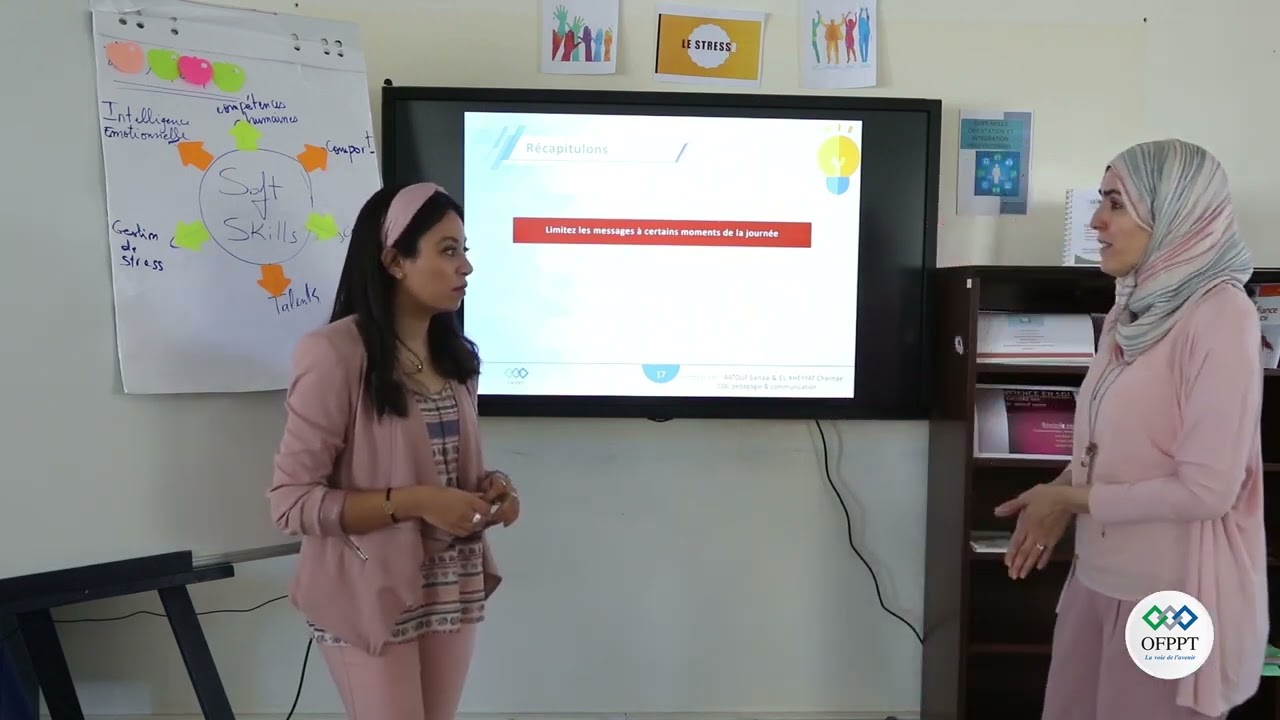
The discussion centers on limiting distractions such as excessive messaging or social media usage to enhance productivity through focused attention.
Minimizing Distractions
- Restricting constant messaging or social media checks during specific times boosts productivity by reducing interruptions throughout the day.
Detailed Time Management Strategies
In this section, the speaker discusses strategies for managing time effectively, distinguishing between important, urgent, and unnecessary messages. They emphasize the impact of sleep and personal habits on time management.
Prioritizing Messages
- Sorting messages into important, urgent, and non-essential categories is crucial for effective time management.
- Sleep and personal habits significantly influence how individuals manage their time.
Achieving Satisfaction through Planning
- Immediate satisfaction can be achieved by setting short-term goals and accomplishing them daily.
- Creating immediate results through daily goal-setting boosts motivation to fulfill monthly plans.
Overcoming Procrastination
- Procrastination often stems from fear of failure or indecisiveness; identifying reasons behind procrastination is essential.
- Breaking tasks into smaller components aids in challenging procrastination tendencies.
Effective Appointment Management
This part focuses on organizing appointments efficiently to optimize time usage while maintaining a balanced approach to work and personal life.
Strategic Appointment Planning
- Scheduling appointments strategically helps allocate time effectively for essential tasks.
- Balancing personal desires with organizational needs ensures productive use of time without feeling confined.
Self-respect in Time Management
- Acknowledging personal commitments and respecting one's schedule are vital aspects of effective time management.