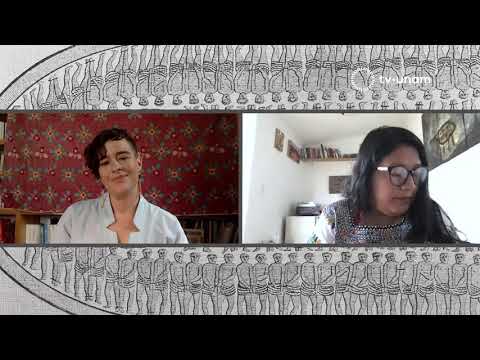
¿Cómo se vive el racismo en Guatemala? con Gladys Tzul Tzul | Revista de la Universidad
The Absurdity of Racism
Understanding Racism
- Racism is described as one of the most absurd forms of discrimination, lacking any biological or genetic basis according to scientists.
- Grouping individuals by skin tone or facial features is deemed senseless, yet it has led to numerous crimes fueled by racial prejudice.
Historical Context and Impact
- Historical examples include the oppression of Jews, Tutsis, Romani people, and indigenous groups in Mexico under the guise of a mestizo nation.
- The colonial legacy continues to perpetuate systems that benefit certain groups while marginalizing others, particularly indigenous populations.
Privilege and Discrimination
Systemic Inequality
- White individuals are said to possess ancestral privileges that afford them better access to education, healthcare, leadership roles, and power.
- Those who benefit from this privilege often avoid discussing racism due to political correctness; however, marginalized communities confront these issues directly.
Indigenous Struggles Against Racism
Personal Experiences
- Clarice Cónsul discusses how racism has affected her life and community in Guatemala through systemic social structures since colonial times.
- Indigenous uprisings have emerged as responses against land dispossession and for dignity in their lives.
Collective Resistance
- Various mechanisms have been developed by indigenous peoples to resist state oppression through both direct action and legal avenues.
- Historical events such as states of siege highlight ongoing struggles against governmental attempts at control over indigenous lands.
The Interconnection Between Racism and Land Rights
Structural Challenges
- Cónsul emphasizes that understanding power dynamics requires recognizing the role of racism within those structures.
- The fight for land ownership among indigenous communities parallels struggles faced by Afro-descendant populations regarding property rights.
Academic Perspectives on Racism
Research Implications
- Cónsul critiques academic institutions for perpetuating racist agendas within research methodologies.
- She highlights challenges faced by researchers from marginalized backgrounds navigating hierarchical academic environments.
Dignity Through Land Ownership
Societal Structures
- Discussion shifts towards how dignity is tied to land ownership and the broader implications of racism on societal structures.
Colonial Roots of Racism
Historical Analysis
- Scholars like Silvia Rivera Cusicanqui argue that colonial practices established a framework for racial hierarchization still evident today.
Indigenous Justice Systems
Legal Framework
- There’s tension between liberal constitutional rights versus communal justice systems upheld by indigenous authorities.
Genocide's Legacy in Guatemala
Ongoing Struggles
- Testimonies from genocide trials reveal systematic efforts aimed at dismantling communal structures through violence against women.
Comparative Analysis: Mexico vs. Guatemala
Racial Dynamics
- Differences between Mexican mestizaje narratives versus Guatemalan experiences highlight varying degrees of structural racism across borders.
Turn any video into a summary like this
YouTube links, meetings, lectures. With transcripts, search, and chat.