NTSB Reveals What Really Happened to United 169 | Captain Steeeve
NTSB Preliminary Report on Newark Accident
Overview of the Incident
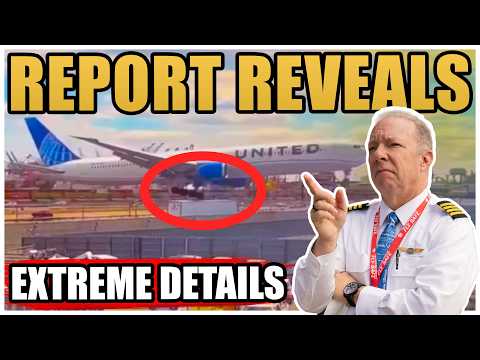
- The NTSB released a preliminary report regarding an incident involving United Flight 169, which nearly struck a bread truck while landing at Newark Airport. The aircraft was coming from Venice and was in the final seconds of its approach when it hit a light pole on the Jersey Turnpike, causing significant damage to the plane and minor injuries to the truck driver.
Damage Assessment
- Substantial damage was reported to the aircraft, with a notable gouge larger than the outflow valve discovered upon arrival at the gate. The truck also sustained considerable damage from being struck by the bent light pole.
Cockpit Communication and Pilot Decisions
- Questions arose about cockpit conversations during the approach, particularly why the pilot flew so low and whether they were aware of hitting anything. The report provides insights into these aspects, including direct quotes from pilots involved.
- The captain intended to fly below glide slope (three red lights on PAPI) due to runway length constraints, which contributed significantly to their low approach and eventual accident. This decision reflects poor risk assessment given proximity to obstacles like trucks on the Turnpike.
Crew Experience
- The crew consisted of three pilots with varying experience levels:
- Captain: 378 hours on type.
- First Officer: Nearly 2,000 hours.
- Relief Pilot: 853 hours.
This indicates that while there was experience overall, specific time in command for this model was limited for the captain.
Approach Procedure
- They followed an RNAV GPS approach for runway 29 but faced challenges due to shifting winds requiring multiple runway changes before landing on a shorter runway than usual (6,700 ft). This choice likely influenced their decision-making process leading up to landing.
Final Moments Before Landing
- As they approached within half a mile of touchdown:
- The first officer alerted that airspeed was slow.
- There were no wind shear alerts received despite turbulence conditions.
The captain declared "stable" at critical altitude callouts even though they were intentionally flying low—indicating potential miscommunication or misunderstanding between crew members about their actual flight path status.
Conclusion and Aftermath
- Post-flight assessments revealed damage consistent with having struck both a light pole and subsequently impacting another vehicle; however, communication breakdown among pilots regarding altitude awareness played a crucial role in this incident's severity.
United Airlines issued operational alerts following this event emphasizing adherence to proper glide path protocols for future approaches into Newark's runway configurations.