El viaje del PET en Junín del agua de los canales a ladrillos para la construcción
Overview of Junín's Waste Management Challenges
Introduction to Junín
- Junín is a territory of 300 square kilometers with a population of 40,000, where 93% of the land is cultivated. The area faces significant waste management issues due to high levels of inorganic waste generated by residents.
Composition of Waste
- Residents produce 70% inorganic and 30% organic waste, with plastic bottles making up 80% of the inorganic waste. This has led to environmental challenges, particularly in local water channels.
Initiatives for Recycling and Education
School Involvement in Recycling
- Schools play a crucial role in recycling efforts; students are encouraged to bring plastic bottles to designated clean points. The speaker emphasizes the importance of instilling environmental values in younger generations through education.
Transformation into Play Equipment
- Initially, the recycling program aimed to convert collected plastics into playground equipment, supported by Coca-Cola and local government initiatives. This evolved into more ambitious projects involving construction materials.
Development of Recycled Bricks
Production Process
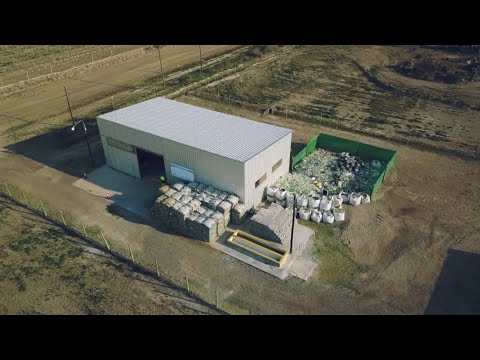
- After extensive testing and technological transfer with local authorities, they developed a process for creating bricks from recycled plastic bottles, achieving daily production rates as high as 800 bricks. The process involves collection, classification, compaction, and mixing with additives before forming bricks using specialized machinery.
Material Requirements
- Each brick requires between 28 and 30 plastic bottles for its construction. This innovative approach not only addresses waste but also provides building materials for housing projects within the community.
Impact on Housing Solutions
Construction Achievements
- A notable achievement was constructing a fully functional house (56 square meters) using approximately 100,000 recycled bottles—marking it as Argentina's first home built from such materials. The design included adaptations for accessibility needs (e.g., wider doors and ramps).
Environmental Benefits
- The project has significantly reduced irrigation channel blockages by 83%, showcasing its positive impact on local agriculture while also burying around 30 tons of plastic annually through these initiatives. This reflects both ecological benefits and community engagement in sustainability efforts over time.