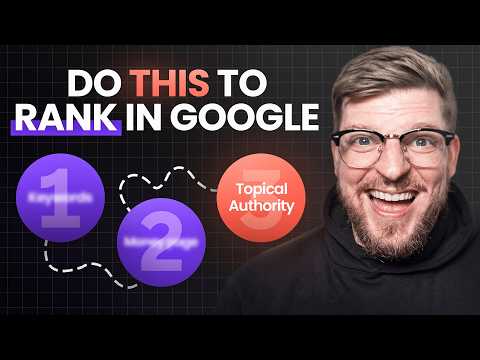
How to Rank #1 in Google in 2026: The 3-Step SEO Playbook
Step-by-Step Roadmap to Ranking Number One in Google
Introduction to SEO and Expectations
- The speaker emphasizes that no one can guarantee a number one ranking on Google, as it is beyond marketers' control.
- Matt, the speaker, runs Kenyon Digital and has over a decade of experience helping brands improve their organic search visibility.
- He introduces a three-step process for achieving higher rankings while setting realistic expectations about competitive keywords.
Reality Checks for SEO Success
- Competing for ultra-competitive terms dominated by large enterprises may not be feasible for smaller businesses due to resource constraints.
- Achieving the top spot in rankings is only half the battle; maintaining that position requires ongoing effort in content quality and authority building.
- Not every keyword needs to rank number one; focusing on relevant keywords can lead to successful organic search presence without exhausting resources.
Identifying Core Keywords
- Prioritization is crucial in SEO; understanding which business-driving keywords are essential helps streamline efforts.
- Businesses should identify core keywords that prospects would use to find them, starting with brand names and specific product/service descriptions.
- Examples include Warby Parker targeting "buy glasses online" and local businesses like Nick's Plumbing focusing on location-specific services.
Analyzing Search Engine Results Pages (SERPs)
- SERPs have evolved significantly; they now feature sponsored posts, discussions, listicles, and various formats beyond traditional blue links.
- Understanding search intent behind keywords is vital; it's important to discern what users are looking for when they perform searches.
Matching Content with Search Intent
- Google's assumed search intent must align closely with your content. Mixed intents require strategic approaches based on SERP analysis.
- Different strategies include adopting majority views from SERPs or creating valuable content that addresses user needs effectively.
Building Quality Content
- Creating high-quality pages involves matching format with intent—different types of pages serve different purposes (e.g., product vs. informational).
- Word count isn't prioritized by Google; instead, focus on thoroughly covering what users need to know about the topic at hand.
Demonstrating Expertise and Experience (E-E-A-T)
- E-E-A-T stands for experience, expertise, authoritativeness, and trustworthiness—key factors Google uses to evaluate content quality.
- Signals of real experience include original photos, case studies, personal anecdotes, and consistent structuring of reviews or comparisons.
Powering Up Your Pages
- Simply having optimized content isn't enough; you must build topical authority through interrelated content pieces linked internally.
- Backlinks from other websites enhance credibility. A website with extensive related content will likely rank better than one with isolated articles.
Internal Linking Strategy
- Internal linking passes link authority between pages. This strategy boosts the overall authority of money pages within your site ecosystem.
Conclusion: Long-Term Commitment Required
- SEO success demands patience as results take time. Consistent effort leads to high-quality traffic over time.
- Tools like Surfer assist in optimizing processes by identifying gaps and tracking progress efficiently while allowing focus on business growth.
Turn any video into a summary like this
YouTube links, meetings, lectures. With transcripts, search, and chat.