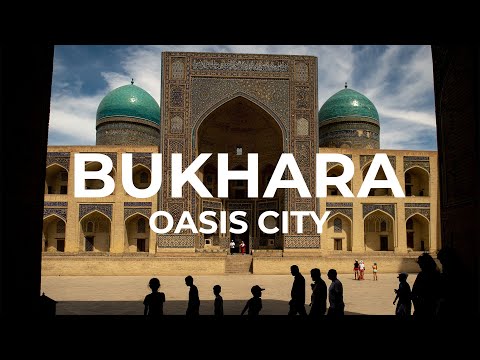
Bukhara, Uzbekistan: The Ancient Heart of the Silk Road City
History of Bukhara
Overview of Bukhara's Historical Significance
- The city is known for its rich history and the tradition of Eastern hospitality.
- Bukhara has a complex historical lineage, influenced by various empires including the Greco-Bactrian state, Huns, Kushans, Arabs, Samanids, and Karakhanids.
- The Samanid dynasty ruled for approximately 150 years and significantly contributed to the development of statehood and architecture in Bukhara.
Architectural Contributions During the Samanid Era
- Notable structures from this period include religious buildings such as tombs; one significant tomb was built in the 15th century during the Shaybanids.
- The mausoleum mentioned is a sacred site that attracts visitors seeking spiritual connection.
Tourism Development in Bukhara
- Internal tourism is on the rise with initiatives encouraging locals to explore historical sites during extended holidays.
- There is a continuous influx of visitors interested in experiencing local culture and spirituality.
Cultural Heritage and Artisanship
- The region has historical significance as a center for Quranic studies attracting scholars from across Central Asia.
- Local artisans produce traditional crafts, including knives made from various types of steel showcasing intricate craftsmanship.
Historical Conflicts and Their Impact
- Bukhara faced destruction during conflicts such as attacks by Frunze's forces which severely damaged infrastructure including minarets.
- Accounts suggest that valuable resources were looted during these conflicts, impacting local governance and economy.
Modern Developments and Community Initiatives
- Recent developments include efforts to preserve historical architecture while promoting tourism through unique accommodations like guesthouses.
- Traditional crafts are being revitalized with modern adaptations; artisans blend ancient techniques with contemporary designs to create popular textiles.
Daily Life and Community Engagement
- Local communities engage in charitable acts such as preparing food for those in need using donations collected from residents.
- Visitors experience authentic interactions within narrow streets filled with vibrant conversations reflecting local life.
This structured summary captures key insights into Bukhara's history, cultural heritage, tourism development, artisan craftsmanship, historical conflicts, modern community initiatives, and daily life. Each point links back to specific timestamps for easy reference.
Cultural Significance and Historical Context of the Jewish Community in Bukhara
Burial Practices and Local Legends
- The number of jugs found during burials indicates a cultural practice where people leave items underground rather than taking them back.
- The mazar (shrine) is located on top of a mound, serving as a cemetery. It is believed that women visit to pray for children, highlighting its significance in local traditions.
Historical Challenges Faced by Bukharan Jews
- During the Soviet period, particularly in the 1980s and 1990s, over 23,000 Bukharan Jews were forced to leave their homeland due to anti-Semitic policies.
- Notable visits from prominent figures such as Hillary Clinton and Madeleine Albright emphasize the historical connections between the U.S. and the Bukharan Jewish community.
Cultural Heritage and Identity
- The presence of two ancient Torah scrolls, one over 1,000 years old, signifies the deep-rooted religious heritage within this community.
- Personal reflections reveal a strong emotional connection to Bukhara among its residents, with mentions of family living abroad but maintaining ties to their birthplace.