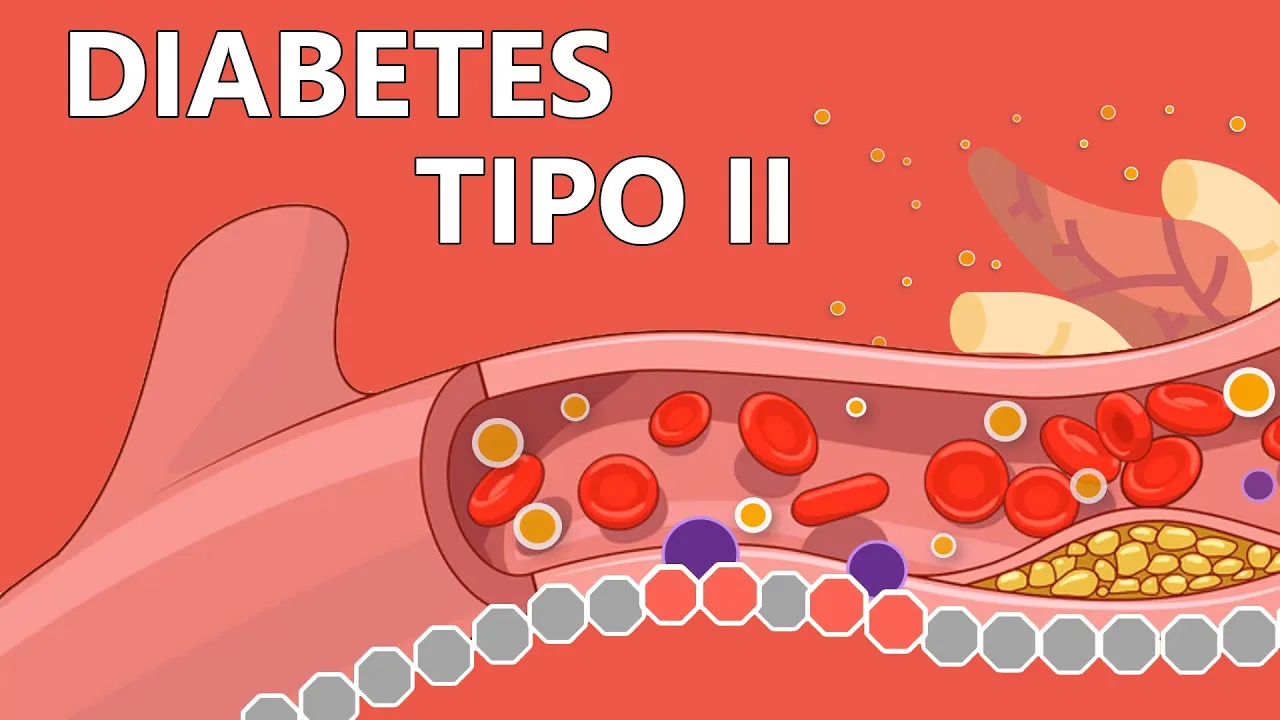
Diabetes tipo 2 - Explicada Fácilmente Para Pacientes
Understanding Type 2 Diabetes
Overview of Type 2 Diabetes
- Type 2 diabetes is characterized by elevated blood glucose levels, necessitating an understanding of normal glucose metabolism in non-diabetic individuals.
Glucose Metabolism Process
- When food is consumed, it is broken down into digestible compounds, primarily glucose, which enters the bloodstream and raises blood sugar levels.
- The pancreas contains beta cells that detect high glucose levels and release insulin, which acts as a key to allow glucose to enter body cells for energy production.
Mechanisms in Type 2 Diabetes
- In type 2 diabetes patients, either insufficient insulin production occurs or body cells resist insulin's effects due to receptor issues. Both scenarios lead to elevated blood sugar levels.
- This condition results in hyperglycemia, where excess glucose remains in the bloodstream instead of entering cells.
Complications Associated with Type 2 Diabetes
- A significant complication is hyperglycemic hyperosmolar syndrome (HHS), marked by extremely high blood glucose concentrations without increased ketone bodies due to the presence of insulin.
Further Learning Resources
- The video promises deeper insights into complications, treatments, and recommendations regarding type 2 diabetes in future installments.