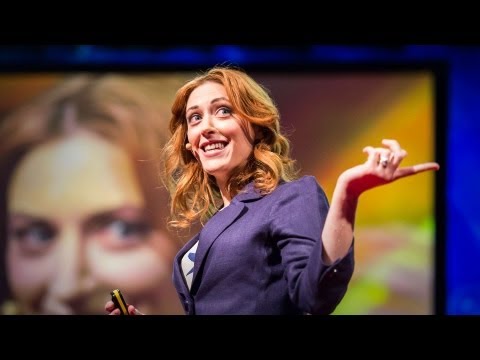
How to Make Stress Your Friend | Kelly McGonigal | TED
New Section
In this section, the speaker introduces themselves as a health psychologist and confesses that they have changed their perspective on stress. They share a study that made them rethink their approach to stress and its impact on health.
Changing Perspective on Stress
- The speaker confesses to being a health psychologist with a mission to help people be happier and healthier.
- They admit that something they have been teaching for the past 10 years about stress may be doing more harm than good.
- Previously, the speaker believed that stress makes people sick and increased the risk of various diseases.
- However, they now reveal that they have changed their mind about stress and want to change others' perspectives as well.
New Section
In this section, the speaker discusses a study that challenged their beliefs about stress. The study tracked adults over eight years and examined the relationship between stress, beliefs about stress, and mortality rates.
Study on Stress Beliefs and Mortality
- A study tracked 30,000 adults in the United States for eight years.
- Participants were asked about their level of stress in the past year and whether they believed stress is harmful to health.
- The study found that individuals who experienced a lot of stress had a 43% increased risk of dying if they also believed that stress is harmful.
- Surprisingly, those who experienced high levels of stress but did not view it as harmful had the lowest risk of dying compared to those with low levels of stress.
- The researchers estimated that believing stress is bad for health caused 182,000 premature deaths over eight years in America.
New Section
In this section, the speaker highlights how believing that stress is bad for health can have significant consequences. They compare the estimated number of deaths caused by this belief to other causes of death in the United States.
Consequences of Believing Stress is Bad
- The estimate suggests that believing stress is bad for health was the 15th largest cause of death in the United States, causing more deaths than skin cancer, HIV/AIDS, and homicide.
- The speaker expresses their shock at these findings as they had been promoting the idea that stress is harmful.
- This realization prompts them to question whether changing one's perspective on stress can lead to better health outcomes.
New Section
In this section, the speaker explores how changing one's mindset about stress can impact their body's response to stress. They introduce a study conducted at Harvard University that focused on participants' perception of stress during a social stress test.
Impact of Mindset on Stress Response
- Participants in a study conducted at Harvard University underwent a social stress test.
- Before the test, they were taught to view their stress response as helpful rather than harmful.
- Participants who changed their mindset experienced less stress, anxiety, and increased confidence.
- Notably, their physical stress response also changed. Their blood vessels remained relaxed compared to constricted blood vessels typically associated with chronic stress.
- This healthier cardiovascular profile could potentially prevent heart attacks and contribute to longer lifespans.
New Section
In this section, the speaker explains how interpreting physical changes during stressful situations as signs of preparation rather than anxiety can positively impact overall well-being.
Rethinking Physical Changes During Stress
- Typically, physical changes during stressful situations are interpreted as anxiety or an inability to cope with pressure.
- However, if individuals view these changes as signs that their body is energized and preparing for action, it can lead to a different response.
- Participants in a study at Harvard University were taught to interpret their stress response as helpful for performance.
- This mindset shift resulted in more relaxed blood vessels, similar to the cardiovascular profile observed during moments of joy and courage.
- Over a lifetime, this biological change could potentially prevent stress-induced heart attacks and contribute to longer life expectancy.
New Section
In this section, the speaker emphasizes the long-term impact of changing one's perspective on stress. They highlight how a single biological change can make a significant difference in overall health outcomes.
Long-Term Impact of Changing Perspective
- A single biological change, such as maintaining relaxed blood vessels during stressful situations, can have long-term effects on health.
- This change could be the difference between experiencing a stress-induced heart attack at age 50 or living well into one's 90s.
- The speaker concludes that changing how we think about stress can ultimately lead to better health outcomes and longevity.
Timestamps are approximate and may vary slightly depending on the source video.
New Section
In this section, the speaker discusses their change in perspective as a health psychologist and introduces the concept of making individuals better at stress rather than eliminating it. They also mention an intervention that was conducted.
Changing Perspective on Stress
- The speaker's goal as a health psychologist has shifted from getting rid of stress to helping individuals become better at managing stress.
- An intervention was conducted to demonstrate how viewing stress differently can be beneficial.
Understanding Stress and its Effects
- Acknowledging and accepting the presence of stress can potentially save lives by allowing individuals to view their body's response as a means of rising to challenges.
- When stress is viewed in a positive light, the body responds in a healthier manner.
The Social Aspect of Stress
- Stress has an under-appreciated aspect related to social connections.
- Oxytocin, often referred to as the "cuddle hormone," plays a crucial role in fine-tuning social instincts and strengthening close relationships.
- Oxytocin motivates individuals to seek support during stressful situations.
Oxytocin as a Stress Hormone
- Contrary to popular belief, oxytocin is not just involved in positive emotions but is also released as part of the stress response.
- Oxytocin encourages individuals to share their feelings with others instead of bottling them up.
- Seeking support from others during times of stress is essential for overall well-being.
Physical Benefits of Oxytocin
- Oxytocin acts on both the brain and body, protecting the cardiovascular system from the negative effects of stress.
- It has anti-inflammatory properties and helps keep blood vessels relaxed during stressful situations.
- Oxytocin promotes heart cell regeneration and healing, strengthening the heart.
- Social contact and support enhance the physical benefits of oxytocin.
The Power of Human Connection
- Stress resilience is built through human connection.
- Caring for others and seeking support during stress can create resilience and improve overall well-being.
- A study showed that individuals who spent time caring for others did not experience an increase in stress-related mortality.
Transforming Stress Perception
- How individuals think and act can significantly impact their experience of stress.
- Viewing the stress response as helpful creates a biology of courage.
- Connecting with others under stress fosters resilience.
Embracing Stress as an Opportunity
- Embracing stress as an opportunity to connect with others sends a powerful message about one's ability to handle life's challenges.
- Trusting oneself and seeking support from others are essential in navigating stressful situations.
New Section
This section discusses the impact of beliefs about stress on life expectancy.
The Influence of Beliefs on Life Expectancy
- Chris Anderson finds it amazing that a belief about stress can have such a significant impact on someone's life expectancy.
- It is suggested that chasing meaning in life is better for health than trying to avoid discomfort.
- Making decisions based on what creates meaning in one's life and trusting oneself to handle the resulting stress is recommended.
Timestamps are provided for each bullet point to help locate the corresponding part of the video.
Turn any video into a summary like this
YouTube links, meetings, lectures. With transcripts, search, and chat.