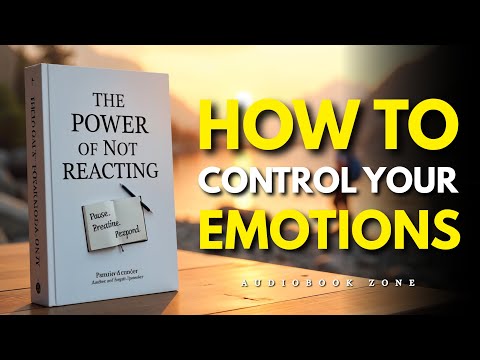
Real Power: Mastering Emotional Control
Understanding Emotional Reactions
- Real power is defined as the ability to feel emotions without reacting impulsively. A single comment or text can disrupt your mood, indicating that emotions often lead our lives.
- The importance of learning to pause before reacting is emphasized; this skill allows for clarity in decision-making during emotional turmoil.
- Chapter one introduces the concept of facing the urge to react and highlights that emotional impulses do not have to dictate actions.
The Nature of Emotions
- Emotions are described as signals rather than facts; they should be observed and understood instead of obeyed blindly.
- There exists a crucial moment between feeling an emotion and taking action, which many people overlook. Strong individuals train themselves to utilize this space effectively.
Developing Self-Control
- Self-control involves recognizing the urge to react but choosing not to act on it. This practice leads to greater emotional mastery.
- Key questions for self-reflection include whether a response is necessary or worth one's energy, promoting thoughtful engagement over reactive behavior.
Breaking the Cycle of Reactivity
- Experiencing anger or hurt does not equate to weakness; strength lies in managing these feelings without allowing them to dictate behavior.
- Training oneself not to react can be likened to building muscle; it requires consistent effort and awareness in everyday situations.
Practical Applications of Emotional Control
- Small moments of self-awareness can lead to significant changes in how one handles emotions, such as pausing before responding in conversations or conflicts.
- Many people compromise their peace by engaging with negativity unnecessarily. Recognizing when it's best to walk away can prevent regretful actions.
Cultivating Inner Strength
- Choosing calmness over reactivity fosters dignity and personal peace, emphasizing that true strength comes from understanding one's feelings while maintaining composure.
- Practicing patience and discipline enhances relationships, confidence, and overall clarity in life decisions.
By mastering these principles, individuals can achieve a more balanced approach towards their emotions, leading ultimately toward personal growth and improved interactions with others.
Emotional Maturity and Self-Respect
Mastering Internal Control
- Emotional maturity is about mastering your internal reactions rather than being controlled by external circumstances. It emphasizes the importance of choosing how to respond instead of reacting impulsively.
- True self-respect involves maintaining your peace and not feeling the need to prove yourself to others. It's essential to rise above emotional reactions while acknowledging your feelings.
- The power lies in the ability to pause, reflect, and choose your response. This conscious decision-making process is crucial for personal growth.
Letting Others Feel Wrong Without Fixing Their View
- One of the most challenging aspects of emotional maturity is allowing others to hold incorrect views about you without feeling compelled to correct them.
- Not every misunderstanding requires a response; some people may misinterpret you intentionally or due to their biases, which can drain your energy if you try to change their minds.
- Defending yourself against misunderstandings often leads nowhere; it’s important to recognize that some individuals prefer their narrative over the truth.
Protecting Your Energy
- You don’t owe anyone an explanation for who you are or what you do. Prioritizing your peace over seeking approval from others is vital for emotional well-being.
- Accept that some people will never acknowledge their misconceptions about you. Moving on without defending yourself demonstrates strength and emotional maturity.
Choosing Peace Over Ego
- Reflect on why it's important for others to understand you; if their opinion doesn’t impact your growth or peace, let it go and focus on living with integrity.
- Chasing approval from those who misunderstand you can lead to losing parts of yourself. Instead, prioritize clarity in conversations that matter while avoiding unnecessary drama.
Freedom from External Validation
- When you stop needing validation from others, you gain freedom and start focusing on what truly matters—your goals, healing, and self-respect.
- Recognize that not every battle is worth fighting; invest time only in relationships where mutual respect exists. Choose when and how to express your voice based on openness rather than demand.
By following these principles outlined in this transcript, one can cultivate emotional maturity and maintain inner peace amidst external chaos.
Understanding Emotional Growth Through Discomfort
The Importance of Acceptance and Self-Reflection
- Emphasizes the value of surrounding oneself with people who ask questions, listen, and allow for human imperfections. Those who don't should be let go to maintain personal freedom.
- Highlights the futility of explaining oneself to those unwilling to understand. It encourages self-reflection on the cost of seeking validation from others.
- Stresses that one’s worth is not determined by others' perceptions. True growth comes from living purposefully rather than seeking universal approval.
- Encourages acceptance that some will always misinterpret you due to their own biases. Focus on personal growth instead of correcting misconceptions.
- Suggests that silence can often be a powerful response when misunderstood, promoting peace over the need for defense.
Embracing Discomfort as a Pathway to Strength
- Discusses how most people avoid discomfort but emphasizes the importance of sitting with tension instead of escaping it through distractions like phones or food.
- Argues that emotional strength is developed by confronting discomfort rather than avoiding it, as tension signals areas needing attention.
- Explains that observing tension without immediate reaction allows for deeper understanding and emotional growth, contrasting avoidance with engagement.
- Points out that discomfort reveals personal patterns and limitations; staying present during these moments fosters awareness and potential change.
- Reinforces that everyone experiences tension; the key difference lies in how individuals choose to respond—either facing it or remaining stuck in avoidance.
Cultivating Emotional Resilience
- Advises pausing during uncomfortable situations instead of rushing to change feelings. This practice builds emotional strength through observation and breath awareness.
- Encourages noticing where tension resides in the body without judgment, fostering a space for real emotional development rather than reactive behavior.
- States that many issues arise not from feelings themselves but from actions taken to avoid them, leading to regretful decisions driven by panic or stress.
- Notes an interesting phenomenon: allowing discomfort can lead to clarity and calmness, countering initial resistance which often exacerbates feelings.
- Concludes that feeling overwhelmed does not equate to failure; true mastery involves learning not to be controlled by uncomfortable emotions but rather observing them peacefully.
Understanding Tension and Emotional Resilience
The Nature of Tension
- Tension is described as energy that individuals can manage rather than something that defines them. This perspective shifts how one deals with stress and emotions.
Transformative Skills
- Developing the ability to face discomfort leads to personal growth, improved communication, and a more resilient approach to life's challenges.
Breaking Cycles of Avoidance
- Many people fall into cycles of tension avoidance, which only intensifies their feelings. Healing begins when one learns to sit with uncomfortable emotions instead of escaping them.
Embracing Discomfort
- Practicing mindfulness during tough moments allows individuals to understand their thoughts better and realize that emotions are temporary if given space.
Building Confidence Through Facing Emotions
- By facing hard emotions without panic, individuals cultivate real confidence and become grounded in their responses, leading to clearer thinking and intentional actions.
The Power of Silence
Valuing Silence Over Immediate Understanding
- Respecting silence can protect one's peace during misunderstandings or emotional triggers. Not every situation requires an immediate response.
Clarity Through Space
- Taking time before responding creates clarity, allowing for thoughtful communication rather than reactive statements driven by emotion.
Emotional Energy Management
- Learning to pause before speaking helps conserve emotional energy and fosters intentionality in communication rather than reacting out of fear or urgency.
Growth in Restraint
- True strength lies in knowing when to speak and when to remain silent; this discipline enhances the weight of one's words when they do choose to communicate.
The Dangers of Seeking Validation Too Quickly
- Chasing immediate understanding can lead to frustration as not everyone will be receptive. Recognizing this helps maintain self-worth without relying on external validation.
The Power of Silence and Emotional Restraint
Understanding the Importance of Timing in Communication
- Before speaking, consider if it’s the right time, person, and energy. Honor your silence instead of filling space for temporary relief.
- Respecting your silence protects your peace and boundaries, showing that you don’t need to prove your worth when misunderstood.
- Engaging in difficult conversations should be done with control rather than desperation; clarity often requires time and sometimes starts with silence.
Building Emotional Strength Through Silence
- Learning to sit with discomfort from being misunderstood fosters self-trust and emotional stability; relying on others for validation can lead to instability.
- Not everyone will understand or appreciate your silence; it's essential to prioritize your emotional needs over making others comfortable.
The Wisdom of Restraint
- Holding back emotions takes strength; restraint is a sign of wisdom and leadership, not passiveness.
- Recognizing unnecessary noise in life allows for better emotional management; many situations require calmness rather than reaction.
Transformative Effects on Relationships
- Emotional maturity leads to improved relationships and decision-making; you don’t need instant understanding from others to feel okay.
- The power lies in pausing before reacting; this maturity allows you to maintain clarity even amidst judgment or misunderstanding.
Embracing Silence as a Strategy
- Choosing silence strategically empowers you by allowing room for thought and reflection without feeling pressured to respond immediately.
- Protecting your energy means speaking from clarity rather than urgency; the world benefits from those who know when to remain still.
Recognizing Pride's Influence on Communication
Identifying Moments When Pride Wants to Speak
- Be aware of moments when pride urges you to speak out defensively rather than constructively during challenging interactions.
Consequences of Letting Pride Lead Conversations
- Allowing pride to dominate discussions often results in unproductive arguments where true understanding is lost due to focus on image over truth.
Training Yourself Against Reactive Responses
- Developing awareness around pride's subtle cues helps prevent impulsive reactions that may lead to regret later.
Understanding the Power of Silence and Emotional Control
The Urge to Speak vs. the Strength of Silence
- Recognizing emotional triggers is crucial; a rush of emotion can lead to impulsive speaking, but true power lies in pausing and reflecting on the need to respond.
- It's important to differentiate between responses driven by truth and those motivated by pride; choosing silence over pride can prevent unnecessary conflict.
- Maturity involves valuing long-term peace over short-term ego satisfaction; being right doesn't always equate to strength or improvement.
- Pride often escalates minor issues into major conflicts, leading to frustration and disconnection; awareness of this pattern grants control over reactions.
- Real confidence allows for discernment in communication—knowing when to speak up or remain silent fosters inner peace.
Building Awareness Around Pride
- Acknowledging pride's influence helps avoid cycles of regret and conflict; recognizing its presence empowers individuals to choose their responses wisely.
- True strength is characterized by calmness rather than loudness; it involves making decisions that align with personal values instead of immediate feelings.
- Reflecting on past situations where impulsive words caused harm highlights the importance of thoughtful communication and self-control.
- Choosing battles wisely means expressing what truly matters rather than reacting defensively out of ego protection.
- Developing emotional discipline requires practice, as quick responses are often instinctual but can be managed through awareness.
Creating Space Between Feelings and Reactions
- Building space between emotions and actions is essential for controlling one's life; this pause allows for thoughtful decision-making rather than reactive behavior.
- Emotions are fleeting yet powerful; acting without reflection can lead to lasting consequences from temporary feelings, emphasizing the need for restraint.
- Establishing a brief pause before responding enables individuals to breathe, think, and choose their reactions consciously instead of succumbing to impulse.
- This practice fosters growth and discipline, allowing one not just to react based on discomfort but also to respond thoughtfully in challenging situations.
Understanding Emotional Intelligence and Response
The Importance of Space Between Feelings and Actions
- Emotions can lead to impulsive actions, such as shouting or hitting when angry. Recognizing this is crucial for personal growth.
- Problems often arise from actions taken in response to feelings rather than the feelings themselves. Creating space between these two can save relationships and protect one's peace.
Awareness Over Perfection
- It's natural to react emotionally; however, the goal should be awareness rather than perfection. This awareness allows for reflection on whether actions align with personal values.
- Emotions serve as signals that highlight what matters but do not necessitate immediate action. Real strength lies in the ability to pause before responding.
Creating Space for Clarity
- When feeling triggered, it's essential to step back and assess physical sensations (e.g., tight chest, racing mind) as cues for creating emotional space. This helps uncover deeper issues beyond surface emotions like anger or frustration.
- Without this space, reactions remain superficial, preventing one from addressing root causes of emotional responses effectively. Clarity gained through this process leads to better decision-making in tense situations.
Building New Habits Through Practice
- Regularly creating space during conflicts can transform daily interactions by reducing arguments and regrets associated with hasty reactions. This practice fosters a more intentional life filled with emotional maturity.
- Slowing down emotionally does not mean avoiding feelings; it involves facing them patiently while allowing time for thoughtful responses instead of impulsive ones.
Mastering Emotional Responses
- Learning to pause before reacting enhances self-understanding and reveals patterns in emotional triggers, leading to personal growth and mastery over emotions rather than mere management of them.
- Developing steadiness amidst chaos builds trust among others who recognize your ability to handle tense situations without drama—an essential trait of effective leadership rooted in self-control rather than control over others.
The Power of Observation
- In moments of distress or misunderstanding, pausing allows you to maintain power over your reactions instead of being driven by emotions alone; this creates a protective shield around your peace and clarity in decision-making processes.(3022s)
- Remember that external circumstances will continue unabated; thus, cultivating internal calmness is vital for navigating life's challenges effectively.(3045s)
Trust Yourself and Find Freedom
The Importance of Self-Trust
- Trusting yourself allows you to remain unshaken by external circumstances, creating a mental space for thoughtful decision-making.
- This mental space fosters freedom to act according to your values rather than being driven by emotions.
Letting Go of Control Over Others
- Chapter 7 emphasizes the futility of trying to control how others treat you; it leads to exhaustion and loss of personal peace.
- People will respond based on their own awareness levels, not your efforts or expectations.
Emotional Independence
- Tying your emotional state to others' behaviors can lead to reactivity and anxiety, undermining your well-being.
- Recognizing that others’ actions reflect their limitations helps in detaching from their behavior's impact on your peace.
Understanding Respect and Boundaries
- You should not have to earn basic respect; if someone makes you feel otherwise, it's a red flag.
- Emotional maturity involves recognizing that how people treat you is more about them than about you.
Shifting Focus from Others to Yourself
- Stop seeking approval or trying to fix others; focus instead on self-respect and personal boundaries.
- By prioritizing self-care over changing others, you cultivate a stronger inner world and better manage your responses.
How to Reclaim Your Power and Protect Your Peace
Understanding Kindness and Boundaries
- Emphasizes the importance of self-awareness in relationships, suggesting that true strength comes from recognizing how others' behaviors reflect on oneself rather than trying to change them.
- Highlights the need for healthy boundaries, distinguishing between cutting off connections out of anger versus understanding when a relationship is detrimental to personal growth.
- Advocates for stepping into environments where one feels respected, promoting the idea that love should not be chased but naturally present among supportive individuals.
Recognizing Self-Worth
- Discusses the inevitability of facing judgment from others and stresses that such judgments do not define one's worth; instead, it reflects their readiness or lack thereof.
- Encourages living authentically according to personal values and strengths while moving on from those who cannot meet one's energy or expectations.
The Power of Silence
- Introduces the concept of choosing not to explain oneself unnecessarily as a liberating decision that prioritizes personal peace over seeking validation from others.
- Warns against expending energy on explanations when dealing with individuals who are closed-minded or only looking for reasons to doubt.
Wisdom in Communication
- Stresses the importance of discerning which conversations are worth having, emphasizing that some discussions may lead to control rather than resolution.
- Points out that explaining oneself can often lead to exhaustion and reinforces the idea that one is not responsible for managing others' perceptions.
Embracing Clarity Over Confusion
- Suggests reclaiming personal power by refraining from unnecessary explanations, leading to a stronger sense of self without needing external approval.
- Describes how silence can serve as a boundary, allowing individuals to prioritize their emotional health over being understood by those unwilling to listen.
Protecting Emotional Well-being
- Identifies over-explaining as a source of inner turmoil and emphasizes the importance of protecting one's peace rather than defending it against misunderstandings.
- Concludes with an assertion that clarity comes with time; learning when not to engage in explanation fosters emotional resilience and integrity.
Understanding the Power of Silence and Energy Management
The Importance of Self-Explanation
- Questions about the source of your explanations—whether from clarity or insecurity—can help maintain honesty in communication.
- In moments of pressure, the urge to explain yourself can be strong, but it's essential to recognize that you don't have to act on this impulse.
- True supporters understand your character without needing lengthy explanations; they ask with humility rather than judgment.
- Engaging in unnecessary explanations can lead to a loss of clarity and personal growth; stepping back is often more empowering.
- Protecting your energy by choosing silence over explanation allows you to live authentically according to your values.
Embracing Your Own Peace
- You should stop justifying your choices or changes; if it matters, your life will reflect it naturally.
- Gaining confidence comes from resisting the need for validation through explanations, leading to a lighter existence free from external pressures.
- Living authentically means being rooted in intention so that silence becomes a powerful statement rather than an avoidance tactic.
- Recognizing when the world demands too much energy helps maintain personal peace amidst chaos.
Holding Your Energy Amidst External Demands
- Life's constant demands can drain you if you're not careful; learn how to protect your energy effectively.
- Staying steady amidst distractions is crucial for maintaining focus and emotional balance; not every situation requires full engagement.
- Distinguishing between being present and being pulled by external forces is vital for managing emotional responses effectively.
Recognizing Personal Limits
- Your energy management is ultimately your responsibility; be aware of when you're stretching yourself too thin and know when to pull back.
- Trying to meet everyone's needs leads to gradual exhaustion; prioritize self-care over pleasing others for long-term well-being.
- Acknowledging what drains you allows for better decision-making regarding where to invest your emotional resources.
Self-Care and Emotional Boundaries
The Importance of Creating Space
- Creating space for oneself is a responsible act, allowing clarity and better decision-making rather than showing up overwhelmed or reactive.
- True love begins with self-respect; emotional exhaustion masquerading as kindness leads to burnout.
- Individuals are allowed to prioritize their peace over urgency and say no without guilt, emphasizing the importance of internal reflection.
Recognizing Patterns and Setting Boundaries
- Awareness of draining conversations or overwhelming stimuli is crucial; these are signs that one needs to pull back.
- Holding energy involves asking critical questions about what burdens one should carry, promoting long-term well-being without guilt.
Building Healthy Boundaries
- Establishing boundaries does not push people away but reinforces personal value and necessity for rest.
- Protecting one's peace is essential, even if others do not understand it; only you feel the weight of your emotional costs.
The Value of Energy Management
- Managing energy leads to clearer thoughts, stable emotions, and a more present self in meaningful relationships.
- Acknowledging the need to choose where to invest energy helps individuals reconnect with their true selves.
Leading Yourself Through Emotions
The Daily Choice: Who Leads?
- Each day presents a choice between leading your life or being led by emotions; this decision shapes one's direction in life.
Understanding Emotions
- Emotions are transient experiences meant for understanding rather than leadership; they can mislead if followed blindly.
Taking Responsibility for Reactions
- Leading oneself means taking responsibility for reactions instead of blaming external factors like mood or circumstances.
Consequences of Emotional Leadership
- Allowing emotions to dictate actions can lead to quitting desired pursuits and damaging important relationships due to impulsive responses.
The Impact of External Influences
- Many struggle with control because they let strong feelings guide their decisions, resulting in lives that feel out of alignment.
Leadership and Emotional Control
The Essence of Leadership
- True leadership is about acting with maturity and strength, even when emotions tempt you to react impulsively. It involves maintaining high standards regardless of how you feel.
- While feelings are natural and uncontrollable, your actions in response to those feelings are within your control. Leading yourself means making choices that align with your values rather than succumbing to emotional impulses.
- Real growth occurs not in moments of motivation but in the face of discomfort. Taking action despite feeling tired or overwhelmed exemplifies self-leadership.
Managing Emotions for Effective Decision-Making
- Leadership requires pausing to think before reacting. Instead of giving in to immediate emotional responses, ask yourself what kind of person you want to be and act accordingly.
- Building a strong life involves resisting the urge to escape from discomfort. Confidence grows through consistent self-leadership during challenging times.
The Impact of Emotional Discipline
- Emotions can lead to regrettable decisions if not managed properly. Each moment offers a choice: respond thoughtfully or react impulsively based on temporary feelings.
- By leading yourself, you cultivate clarity amidst chaos, allowing for better decision-making that reflects your true values rather than fleeting moods.
Strength Through Self-Control
- Life's challenges will test your resolve; however, discipline over emotions leads to stability and resilience against external pressures.
- Acknowledging emotions without letting them dictate actions fosters wisdom and respect for one's feelings while maintaining control over one’s life direction.
Building Trust Through Consistent Actions
- When you manage your own reactions effectively, you're less influenced by others' moods or opinions, empowering you to maintain confidence regardless of external circumstances.
- Strong individuals feel deeply yet make wise decisions based on their long-term vision rather than immediate emotional states. This balance is crucial for effective leadership.
Daily Practices for Self-Leading
- Leadership begins with self-management—making decisions aligned with personal values instead of transient emotions helps build a fulfilling life.
- Developing trust in oneself comes from consistently choosing thoughtful actions over reactive ones, fostering a quiet confidence that enhances relationships and communication skills.
- Recognizing when to pause before acting on frustration or fear demonstrates true leadership qualities rooted in self-awareness and discipline.
Conclusion: The Path Forward
- Establishing daily habits around emotional awareness allows individuals to navigate life's pressures without losing sight of their core values and goals.
- Ultimately, leading oneself means facing difficult emotions head-on while remaining grounded in purpose—a practice that strengthens both character and resilience over time.