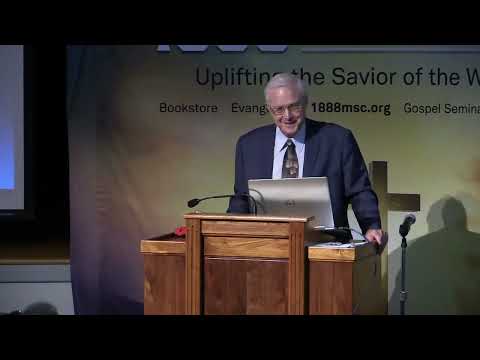
Pastor Jerry Finneman - Justificación legal y la respuesta de fe - Doblado ESPAÑOL
La Muerte de Cristo y su Repercusión Legal
Introducción a la Justificación
- Se plantea una pregunta sobre la repercusión legal de la muerte de Cristo en el Calvario, relacionada con la ley de Dios.
- Se menciona que aunque términos como "justificación legal" no aparecen en las escrituras, conceptos como "salvación", "redención" y "justificación" son fundamentales para entender el mensaje del evangelio.
Conceptos Clave Relacionados
- Se discuten varios términos: salvación, redención, emancipación, reconciliación y justificación; todos refiriéndose al mismo evento en el Calvario.
- La justificación por la fe es presentada como esencial para todo ser humano; puede provocar reacciones opuestas: aceptación o rechazo.
Mensaje del Evangelio
- Primera de Juan 4:14 se cita para afirmar que Jesús es el Salvador del mundo.
- Se narra la historia de la mujer samaritana que reconoce a Jesús como el Salvador tras un encuentro transformador.
La Inclusividad del Mensaje de Salvación
Comprensión Samaritana vs. Israelita
- Los samaritanos entendieron y aceptaron el mensaje completo de Jesús, mientras que los israelitas creían que la salvación era exclusiva para ellos.
Palabras de Jesús sobre Salvación
- En Juan 12:47, Jesús declara que no vino a juzgar al mundo sino a salvarlo; esto se refuerza con Primera de Timoteo 4:10 donde se menciona que Él es Salvador de todos los hombres.
La Naturaleza de la Justificación
Dos Experiencias Distintas
- Se distingue entre culpa (que Cristo aborda mediante justificación legal) y pecado interno; enfatizando cómo Dios quiere liberar a las personas de su culpa.
Redención y Justificación
- Romanos 3:24 habla sobre ser justificados gratuitamente por gracia mediante redención en Cristo.
Emancipación Espiritual
Liberación Física vs. Espiritual
- Éxodo 20:1–2 muestra cómo Dios liberó físicamente a los judíos pero luchaba por liberarlos espiritualmente durante su travesía por el desierto.
Aspectos Legales e Individuales
- La emancipación tiene dos aspectos: legal (declarativa ante Dios), y vivencial (experiencia personal).
El Proceso Judicial en Justificación
Comparaciones Bíblicas
- Romanos 5:16–18 establece un contraste entre condena debido al pecado original y justificación mediante Jesucristo.
Aspectos Universales
- La justificación tiene un aspecto universal aplicable a toda humanidad, pero también requiere una respuesta personal basada en fe.
Oposición Actual hacia Justificación
Resistencia Evangélica
- Hay resistencia dentro del cristianismo contemporáneo hacia conceptos tradicionales como la justificación legal; algunos movimientos emergentes ignoran este término completamente.
Necesidad Continua
- Es crucial conocer personalmente a Cristo para experimentar tanto purificación como santidad derivadas de esta justificación.
Reflexiones Finales sobre Justificación Legal
Cuestionamiento Crítico
- Se plantea cuándo deja de ser legal la justificación; enfatizando que no es simplemente un estado permanente sin condiciones.
Conclusión sobre Fe y Obras
- Gálatas 2:16 reafirma que nadie es justificado por obras sino por fe en Jesucristo, resaltando así el papel central del sacrificio redentor.
The Influence of Evangelical Preachers in the 50s and 60s
Background on Key Figures
- A prominent evangelical preacher in the 1950s and 60s, known for his role as the main pastor at Temple University in Philadelphia.
- He founded a magazine called "Eternity" and hosted radio studies on justification that significantly impacted other pastors, including Pastor Angru.
Initial Interactions with Adventists
- The preacher viewed Seventh-day Adventists as legalistic and sect-like, doubting their belief in justification.
- Following positive feedback from Angru, he began to engage more with Bannhouse, an intellectual who sought to educate church members about Adventist beliefs.
Critique of "The Way to Christ"
Controversial Article
- In an article for "Eternity," Bannhouse criticized "The Way to Christ," labeling it entirely false and accusing it of promoting universalism.
- He argued that its emphasis on God's love suggested a universal salvation approach, which led Andrew to cease further communication.
Acceptance Among Evangelicals
Efforts for Recognition
- Some Adventist brothers met with Bannhouse and other evangelicals to demonstrate their Christian identity, leading to acceptance by many evangelicals after publishing doctrinal questions.
Conversations Between Hudson and Bannhouse
Disputes Over Sabbath Observance
- An editor named All Hudson had a phone conversation with Bannhouse where he expressed disdain for the Sabbath as a religious day.
- Bannhouse accused Hudson's belief in being part of the remnant church as megalomania, questioning their theological stance.
Tensions Regarding Justification
Theological Differences
- During discussions about justification, Bannhouse expressed anger towards Seventh-day Adventists' beliefs while emphasizing his Calvinistic view of eternal security.
Death of Donald H.
Reflection on His Legacy
- Donald H., noted for his preaching skills, passed away due to a brain tumor; his views on the Sabbath raised concerns among those who knew him.
Understanding Justification by Faith
Key Concepts
- Justification is described as making someone righteous or teaching them how to be righteous; this contrasts with Calvinistic views focused solely on divine decrees.
The Role of Christ in Justification
Central Themes
- Emphasizes that justification involves being treated as if one has always believed and obeyed God; it is rooted in what Christ accomplished at Calvary.
Prescott's Insights on Justification
Methodology Explained
- Prescott outlines God's method of justification through grace, blood, faith, and works—highlighting both divine action and human response.
Legal Aspects of Justification
Forensic Nature
- Discusses how justification relates primarily to absolution before God rather than spiritual revival or purification directly.
(t=3302s] Two Aspects of Justification
Distinction Made
- William describes two phases: forensic (legal for all men outside ourselves), and transformative (effective change within believers).
Romans 4:25 Discussion
Importance Highlighted
- Reflecting on Romans 4:25 emphasizes Jesus’ resurrection linked directly to our justification—a critical theological point discussed during committee meetings.
Turn any video into a summary like this
YouTube links, meetings, lectures — with transcripts, search, and chat.