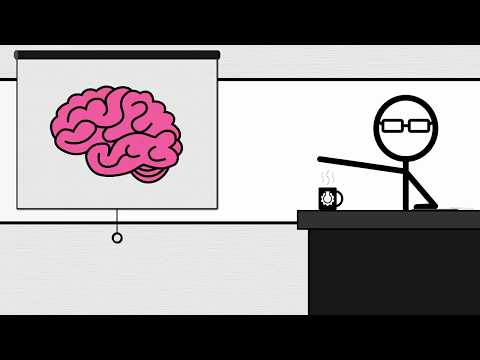
How AIs, like ChatGPT, Learn
Algorithms and How They Shape Our World
In this video, we learn about how algorithms are all around us and how they shape our world. We explore the challenges of building algorithmic bots that can recognize images and make decisions.
The Prevalence of Algorithms
- Algorithms are ubiquitous in our daily lives, from recommending videos on NetMeTube to setting prices for airline seats.
- Companies guard their algorithmic bots as trade secrets because they are valuable employees.
Building Algorithmic Bots
- Humans used to build algorithmic bots by giving them instructions they could explain, but many problems are too complex for simple instructions.
- To build a bot that can recognize images, humans build a bot that builds bots and a bot that teaches bots.
- The builder bot initially connects wires and modules in the bot brains almost at random, leading to some very "special" student bots sent to teacher bot to teach.
- Builder bot takes the best-performing student bots and makes copies with changes in new combinations. Teacher bot tests again, and builder bot builds again. This process repeats until an effective algorithm is created.
Challenges of Building Algorithmic Bots
- Algorithmic bots give answers to complex questions but not perfect ones.
- The cutting edge of building algorithms is likely very technical, making it difficult for even those who built them to understand exactly how they work.
- Despite using seemingly ineffective methods like random building and testing without teaching, these bots can still be effective due to the sheer volume of tests and iterations they go through.
Overall, this video highlights the prevalence of algorithms in our daily lives and the challenges of building effective algorithmic bots. It also shows how humans have developed creative methods for building these bots, even if they don't fully understand how they work.
How Bots Learn
In this section, we learn how bots are created and how they learn.
The Process of Creating a Bot
- As the bot is copied and changed, the average test score rises.
- Eventually, a student bot emerges that can tell a bee from a three in a photo it's never seen before pretty well.
- Teacher bot gives more questions to make the test even longer to include the kinds of questions the best bots get wrong.
Complications with Bot Learning
- The wiring in its head is incredibly complicated, and while an individual line of code may be understood, the whole is beyond understanding.
- Seeing lots of questions about driving lately? Hmm...! What could that be building a test for?
- When people ask how algorithms select videos, there isn't a great answer other than pointing to the bot and user data it had access to.
Tests on Humans
In this section, we learn about tests on humans and their importance in creating better bots.
Types of Tests
- There are tests to increase user interaction or set prices just right to maximize revenue or pick posts from all your friends you'll like most.
- Tests ON humans make themselves. For example, NetMeTube wanted users to keep watching as long as possible so teacher bot gives each student bot a bunch of NetMeTube users to oversee.
The Future of Bot Learning
- We are increasingly in a position where we use tools or are used by tools that no one, not even their creators, understand.
- We need to get comfortable with our algorithmic bot buddies as they are all around and not going anywhere.
Conclusion
In this section, the speaker concludes the video.
Final Thoughts
- The bots are watching.
- To like... comment... and subscribe.
Sharing on Social Media
In this section, the speaker talks about sharing content on social media and how algorithms work.
Algorithmic Control
- The algorithm is watching.
- It won't show people the video unless it gets shared on social media.
Promoting Podcasts
- The speaker promotes their podcasts as a way to increase watch time.
- There are hours of audio entertainment available for listeners to enjoy while increasing watch time.
Desperation
- The speaker expresses frustration with the algorithm's control over their content.
- They ask what the audience wants and if they want more watch time.
- The speaker gives in and promotes their podcasts in desperation.
- They end the section by pleading for help.
Overall, this section discusses how algorithms control what content gets shown to viewers and how creators can promote their content through social media shares and podcasts.
Turn any video into a summary like this
YouTube links, meetings, lectures. With transcripts, search, and chat.