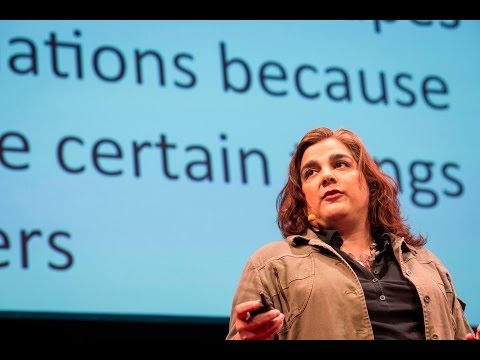
What is international development really? | Alanna Shaikh
Understanding International Development
The Complexity of Defining International Development
- The speaker expresses excitement about discussing International Development, emphasizing the complexity and personal journey in understanding the field over 15 years.
- There is no universally accepted definition of International Development; academics often debate its meaning, necessitating definitions in reports and articles.
- Various definitions exist:
- UN's definition focuses on poverty reduction and Millennium Development Goals.
- A 1960s idealistic view emphasizes liberation through structural transformation.
- Post-modern perspectives highlight value judgments in development, prioritizing certain resources (like paved roads) over others (like unpaved roads).
- Amartya Sen defines development as freedom, encompassing economic opportunity, social opportunity, security, government transparency, and more.
Beyond Official Development Aid
- International Development encompasses much more than just official aid; it includes various strategies to support developing nations.
- Changing trade policies in wealthy countries can significantly benefit developing nations while they are encouraged to adopt free trade without similar concessions from wealthier nations.
- Immigration policies also play a crucial role; for instance, remittances from migrant workers contribute significantly to their home countries' economies (e.g., $24 billion from Filipino workers).
- Addressing climate change is vital since developing countries contribute minimally to carbon emissions yet face the most severe impacts of climate change.
- The narrative highlights that developing nations often subsidize wealthier countries through illicit capital flows—$52 billion lost by Mexico due to such activities.
Infrastructure Challenges and Personal Engagement
- Developing countries frequently lack the capacity for infrastructure projects and thus hire foreign firms for construction needs (e.g., Turkistan hiring French contractors).
- This reliance on external firms raises questions about local capacity building versus outsourcing development work.
- The speaker encourages personal engagement with development issues by defining what development means individually rather than solely focusing on financial aid contributions.
- Advocacy for policy changes in trade or immigration can be impactful avenues for contributing to international development efforts.