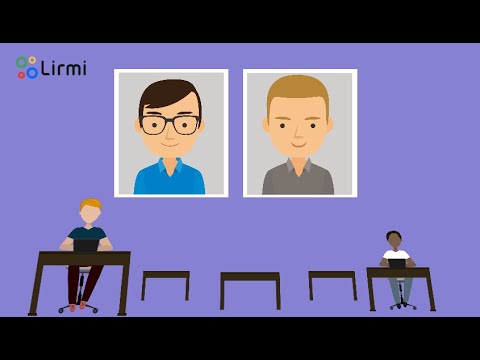
¿Qué es el aula invertida?
What is Flipped Classroom?
This section introduces the concept of flipped classroom as a teaching strategy that emerged in 2007. It explains how it was developed to address the challenges faced by rural students who couldn't attend classes regularly.
The Origins of Flipped Classroom
- In 2007, teachers Aaron Sams and Jonathan Bergmann developed the concept of flipped classroom.
- They noticed that many rural students were missing out on lessons due to various reasons, such as long commutes to school.
- To overcome this issue, they started recording their classes and distributing the videos online.
- This allowed students to access the content at any time, breaking down barriers to learning.
The Pedagogical Potential
- Flipped classroom offers a pedagogical approach that caters to individual student needs.
- It allows students to learn at their own pace and provides flexibility in accessing educational materials.
- Students can watch videos multiple times, pause and rewind as needed, and engage in activities that enhance autonomy.
Contrasting Traditional Classroom with Flipped Classroom
- A traditional classroom places the teacher as the central figure, while a flipped classroom shifts the focus towards student-centered learning.
- Technology is used in a flipped classroom to facilitate repetitive tasks outside of class, freeing up more time for interactive learning during class.
Structuring a Flipped Classroom
- In a flipped classroom model, students consume instructional resources outside of class before attending face-to-face sessions.
- Class time is then dedicated to practice, application, and addressing student questions or doubts.
- The teacher utilizes various assessment tools to identify gaps in learning and tailor instruction accordingly.
Benefits of Using an Online Platform
- An online platform enables teachers to implement the flipped classroom model effectively.
- It allows continuous connection with students outside of class and provides necessary tools for content delivery and interaction.
How to Structure a Flipped Classroom?
This section explains how to structure a flipped classroom and highlights the benefits of this approach.
Traditional Classroom vs. Flipped Classroom Structure
- In a traditional classroom, the sequence typically involves introduction, review, explanation, practice, and application.
- In a flipped classroom, students consume instructional resources before class and come prepared with prior knowledge.
- Class time is then utilized for practice, application, and addressing student questions or doubts.
Utilizing Class Time Effectively
- With the flipped classroom model, teachers can focus on addressing real weaknesses in student learning during class time.
- The teacher can assess students' understanding at the beginning of the session and allocate more time for practice and application.
Continuous Assessment and Feedback
- The use of various assessment tools in a flipped classroom allows teachers to continuously monitor student progress.
- Teachers can identify gaps in learning and provide timely feedback to guide students towards achieving better outcomes.
Online Tools for Flipped Classroom Implementation
- Online platforms offer a range of tools that facilitate the implementation of a flipped classroom model.
- These platforms enable teachers to deliver instructional resources effectively and maintain communication with students outside of class.
Conclusion
This section concludes by emphasizing the importance of utilizing online platforms for implementing a flipped classroom model successfully.
Benefits of Using an Online Platform
- An online platform provides essential resources for implementing a flipped classroom model effectively.
- It enables continuous connection with students outside of class and offers necessary tools for content delivery, interaction, assessment, and feedback.
The transcript provided does not contain any further sections or timestamps beyond 0:03:04.