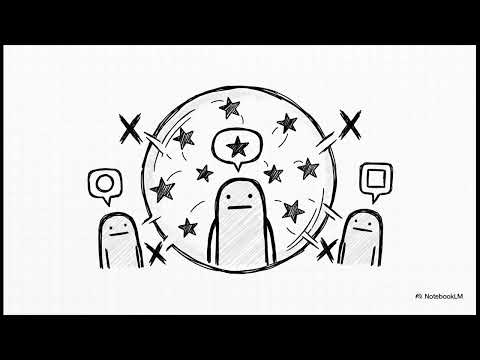
El Filtro Burbuja
Understanding the Filter Bubble
Introduction to the Concept
- The internet is often perceived as an infinite space, but it may be tailored individually for each user.
- Two people searching for the same information can receive vastly different results, highlighting a personalized experience rather than a shared one.
- This phenomenon is termed "filter bubble," coined by activist Eli Pariser, referring to the unique information universe shaped by algorithms.
The Invisible Internet
- There isn't a single version of the internet; platforms like Instagram and YouTube reflect content specifically curated for individual users.
- Algorithms create a mirror effect rather than providing an objective view of the world.
How Filter Bubbles are Constructed
- Every online action generates data that feeds into algorithms, creating detailed profiles based on user preferences and behaviors.
- The primary goal of these systems is not to inform but to retain user attention through comfortable and addictive content.
Dangers of Living in a Filter Bubble
- Users become trapped in echo chambers where only confirming opinions are visible, leading to reduced tolerance for differing perspectives and increased social polarization.
- The algorithmic guidance limits serendipitous discoveries, preventing exposure to new ideas or topics that could broaden horizons.
- Limited access to diverse viewpoints compromises informed decision-making, making choices less free than they appear.
Balancing Personalization with Transparency
- While personalization can enhance experiences (e.g., finding favorite music), lack of transparency about why certain content is shown poses significant issues.
Solutions and Actions
- To break out of filter bubbles:
- Be conscious of consumption habits.
- Actively seek diverse opinions.
- Use privacy-respecting browsers or occasionally confuse algorithms with varied interests.
- Societal responsibility includes demanding transparency from platforms regarding their algorithms and control over what users see.
Conclusion: A New Mindset Towards Information
- Emphasizing curiosity and critical thinking transforms users into active seekers of truth rather than passive consumers. Understanding that displayed content represents a filtered reality encourages exploration beyond comfort zones.