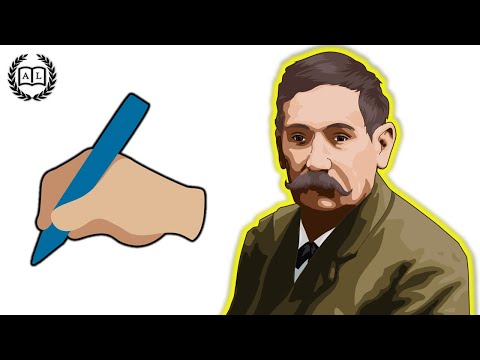
EL REALISMO LITERARIO
Romanticism and Realism: A Cultural Shift
Emergence of Romanticism
- Romanticism emerged in late 18th century Germany as a cultural and artistic movement advocating for individual freedom, contrasting with neoclassicism and the Enlightenment's emphasis on reason.
- The movement spread across Europe in the first half of the 19th century, prioritizing feelings over reason as a means of expression in various art forms including literature, painting, music, and dance.
Characteristics of Romanticism
- Key features included emotional expression, solitude, social distancing to escape reality, individualism, imagination embellishing perceptions of the environment, subjectivity beautifying ideas, fantasy use, exaggeration, idealization of humanity and nature.
- Romantics freely blended literary genres and writing styles in prose and verse; significant genres included narrative drama and poetry.
Influential Authors of Romanticism
- Notable figures include German author Johann Wolfgang von Goethe with "Faust," Scottish writer Walter Scott known for "Waverley," English novelist Mary Shelley who created "Frankenstein," French authors Victor Hugo ("Les Misérables") and Alexandre Dumas ("The Count of Monte Cristo").
- In Spain, José Zorrilla's "Don Juan Tenorio" and Gustavo Adolfo Bécquer's "Rimas y Leyendas" were prominent. Edgar Allan Poe became influential in America through works like "The Raven."
Latin American Representation
- In Latin America, Manuel Acuña represented romanticism with his poem "Nocturno a Rosario," while Jorge Isaacs' novel "María" is considered a masterpiece of 19th-century Hispanic literature.
Transition to Realism
- By the second half of the 19th century, realism emerged in France as a response to romanticism aiming to return to reasoned expressions reflecting social realities deteriorating since the Industrial Revolution.
- The Industrial Revolution initiated significant social changes leading to capitalism that favored industrial owners over workers; this context prompted romantic artists to escape societal issues through their work.
Critique by Philosophers
- Philosophers like Karl Marx and Engels critiqued capitalism’s class inequalities from the 17th century onward. Journalism gained prominence as an important medium for discussing significant events during this period.
Rise of Positivism
- The philosophical movement known as positivism arose in the 19th century led by Auguste Comte advocating knowledge through verified experience supported by scientific methods.
Literature Reflecting Reality
- Throughout the 19th century in Europe and America revolutions occurred alongside conflicts between liberal forces versus conservative ones; these dynamics influenced literature which began depicting everyday life realistically.
Characteristics of Realist Literature
- Realist literature focused on portraying harsh realities faced by lower classes such as poverty and injustice without sensationalizing them but rather communicating their severity.
Development of Literary Realism
- This literary movement emphasized detailed observation for analyzing social environments using simple language aimed at reflecting society rather than individual emotions typical in romantic works.
Notable Realist Authors
Realism in Literature
Key Authors and Works of Realism
- The best realist authors in the UK include Charles Dickens, known for "David Copperfield" and "A Christmas Carol," and William Thackeray with "Vanity Fair."
- In Spain, Benito Pérez Galdós emerged as a leading figure in realism through novels like "Fortunata y Jacinta," "Doña Perfecta," and "Marianela," earning him recognition as the greatest Spanish novelist after Miguel de Cervantes.
- Other notable Spanish realists include Emilia Pardo Bazán with "Los pasos de Ulloa" and Leopoldo Alas (Clarín) with "La Regenta," which is considered a pinnacle of 19th-century Spanish literature.
- In Russia, Fyodor Dostoevsky represented realism with works such as "Crime and Punishment" and "The Brothers Karamazov." Leo Tolstoy contributed significantly with novels like "War and Peace" and "Anna Karenina."
- American author Mark Twain, known for his pen name, wrote significant realist novels including "The Adventures of Tom Sawyer" and "The Adventures of Huckleberry Finn."
Naturalism: A Derivative Movement
- Naturalism emerged as a more intense version of realism, focusing on social issues through scientific observation. It aimed to depict harsh realities rather than idealized versions.
- French writer Émile Zola is recognized as the father of naturalism, producing a series called “Les Rougon-Macquart,” which includes titles like “Germinal” that reflect life during France's Second Empire.
- In Mexico, Federico Gamboa was a key naturalist figure with his novel “Santa,” portraying the struggles of an abandoned young woman facing societal injustices.
- Chilean author Baldomero Lillo highlighted labor exploitation in his short story “La compuerta número 12,” showcasing the grim realities faced by workers in mines.
Costumbrismo: Cultural Reflections
- Costumbrismo arose from realism to depict local customs and traditions. Ramón de Mesonero Romanos is credited with defining this subgenre in Spain.
- Mexican writers such as José Joaquín Fernández de Lizardi initiated costumbrismo post-independence with works like “El periquillo sarniento.”
- Notable authors included Luis Inclán (“Astucia”), Manuel Payno (“Los bandidos de Río Frío”), José Tomás de Cuéllar (under pseudonym Facundo), contributing to regional narratives.
Continued Development of Realism in Latin America
- Latin American realism persisted until 1940, addressing social issues like poverty through various narrative forms. Novels about the Mexican Revolution are prominent examples.
- Indigenous literature depicted injustices faced by native cultures; notable works include Jorge Icaza’s “Huasipungo” and Alcides Arguedas’ “Raza de bronce.”