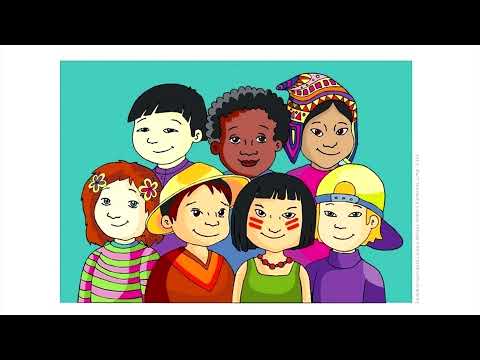
Pedagogía Decolonial
Understanding Decolonial Pedagogies
Concept of Coloniality
- The term "coloniality" refers to the hierarchies established during the conquest of America, which include social, economic, racial, and gender-based structures that persist today.
Challenges in Education
- Decolonial pedagogy seeks to detach from entrenched cultural norms as many educational institutions continue to perpetuate historically indoctrinating processes.
Teacher-Student Dynamics
- A critical aspect of decolonization is the relationship between students and educators; contradictions arise when teachers embrace diversity yet judge students based on religion, race, or sexuality.
Community Involvement in Education
- Decolonization occurs not only in formal education settings but also within communities and movements. Indigenous and Afro-descendant groups contribute knowledge alongside learning.
Emancipatory Teaching Culture
- There is a need for an emancipatory teaching culture that values diverse knowledge systems rather than imposing Eurocentric perspectives. The state should act as a mediator without enforcing specific teachings.
Goals of Decolonial Pedagogies
Insurgent Practices
- Decolonial pedagogies aim to promote practices that resist oppression and foster existence through new learning experiences that encourage growth rather than dogma.
Critical Reflection on Education
- It’s essential to critically reflect on personal motivations for educating—whether it’s for assimilation or transformation—and how these motivations shape educational contexts.
Institutional Focus on Process Over Results
- Many universities prioritize outcomes over processes, treating education as a competition rather than fostering values like respect and inclusion among individuals.