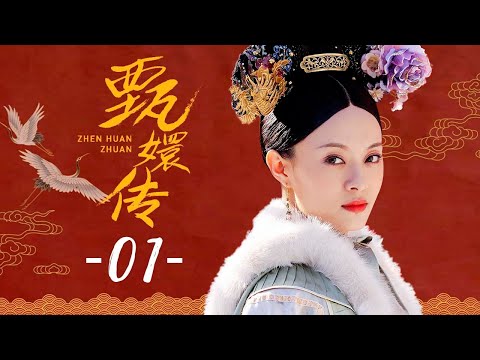
甄嬛传 01 | Empresses in the Palace 01 高清
Empresses in the Palace: The Legend of Zhen Huan
Themes of Love and Destiny
- The narrative opens with a poignant reflection on love, suggesting that while physical ties can be severed, emotional connections are complex and enduring.
- A metaphorical expression highlights the unpredictability of fate, questioning whether it brings blessings or trials to lovers entangled in their destinies.
- The repetition of the phrase "Who can break the spell of romance?" emphasizes the theme of love's power and its challenges throughout time.
Historical Context and Power Dynamics
- Set in 1722, following Emperor Kangxi's death, the Fourth Prince Yin Zhen ascends as Emperor Yongzheng at age 45 amidst political turmoil.
- Two generals, Nian Gengyao and Longkodo, play pivotal roles in securing Yongzheng’s throne against his brothers through military might. Their loyalty is rewarded with significant power within the new regime.
- Formal decrees highlight the hierarchical structure of imperial court life, showcasing how loyalty is recognized through titles and responsibilities assigned to key figures like Longkodo and Nian Gengyao.
Court Life and Personal Relationships
- The emperor's interactions reveal a blend of duty and personal concern; he expresses gratitude for care shown towards his health by General Nian despite being preoccupied with governance.
- Conversations about family dynamics illustrate tensions within royal relationships; General Nian inquires about his sister’s well-being in the palace, indicating familial bonds amidst political obligations.
Empress Dowager's Influence
- The Empress Dowager visits the emperor, bringing gifts that symbolize care but also hint at her expectations regarding his attention to court matters and family duties. Her remarks reflect traditional values surrounding health and familial responsibility.
- There is an underlying tension as she notes that it has been over six months since His Majesty has spent time in the harem, suggesting dissatisfaction among concubines due to neglect from the emperor. This reflects on court politics where personal relationships impact governance decisions.
Concerns Over Succession
- Discussions between characters reveal anxieties about lineage continuity; there are concerns regarding insufficient heirs due to aging consorts not expanding their families further complicating succession plans for future emperors.
- The emphasis on "spreading branches" signifies a cultural priority placed on producing heirs to ensure stability within the imperial lineage amid changing dynamics within royal households.
Selection Process and Palace Dynamics
The Imperial Selection Announcement
- The speaker acknowledges the need for a Selection, indicating acceptance of arrangements made by the Imperial Mother. They express contentment in playing with grandchildren while the selection occurs.
Role of Consort Fleur
- Consort Fleur is introduced as an assistant in palace affairs, tasked with managing the Selection to alleviate pressure on the Empress. Her beauty and proficiency are noted, emphasizing her favored status.
Concerns About Frequency and Ethnic Representation
- A discussion arises about the frequency of selections; it is deemed too costly to hold them every three years. There’s a desire to include more concubines from Han Banners, reflecting a familial connection between ethnic groups.
Importance of Harem Visits
- The necessity for regular visits to the harem is stressed, particularly towards the Empress, who holds a central role within it. This highlights palace hierarchy and emotional connections among consorts.
Fiscal Constraints on Selections
- It is revealed that due to fiscal deficits, only a simple selection will be conducted this time. The speaker expresses gratitude for support amidst financial challenges faced by the Emperor.
Interactions Among Maids
Dowry Maid's Responsibilities
- Songzhi's clumsiness leads to tension during service; she must adhere strictly to palace rules regarding offerings. This incident underscores expectations placed on maids within palace dynamics.
Training and Status Differences
- Discussion about Songzhi’s ineptitude reveals her different status compared to other servants; there’s an emphasis on proper training for her role as a dowry maid.
Introduction of Fuzi
- Fuzi is introduced as a competent maid sent from the Household Department, suggesting efforts to improve service quality within the palace environment.
Concubine Aspirations and Personal Relationships
Reflections on Personal Desires
- A character reflects on their aspirations regarding marriage and personal happiness amid societal pressures related to concubinage.
Wishful Thinking at Temples
- Characters engage in wish-making at a temple, highlighting contrasting desires where one wishes not to be selected while others aspire for selection—showcasing individual hopes against societal norms.
Doctor's Concern and Emotional Bonds
Dr. Wen's Unusual Visits
- Dr. Wen’s frequent visits raise eyebrows; his concern for Huan suggests deeper emotional ties beyond professional duty, hinting at potential romantic feelings.
Heirloom Teapot Offering
- Dr. Wen offers an heirloom teapot as a gesture of affection towards Huan, symbolizing his commitment but also complicating their relationship given her impending participation in the Final Selection.
Familial Affection vs Romantic Intentions
- Huan expresses her view of Dr. Wen as an elder brother figure rather than a romantic interest, illustrating complexities in their relationship dynamics amidst external pressures from court life.
Concerns and Preparations for the Selection
Familial Connections and Rivalries
- The speaker expresses gratitude towards the listener's father for saving their own father's life, highlighting a long-standing friendship between their families.
- The speaker reveals concerns about the dangers of the harem, especially for concubines, emphasizing that even an imperial doctor can fall victim to its rivalries.
The Selection Process
- Shen Meizhuang is introduced as a candidate for selection; her grace and manners are praised in preparation for meeting His Majesty.
- Mr. Huang is tasked with ensuring the selection hall is immaculate, indicating high stakes in presentation during the Final Selection process.
Political Dynamics
- Discussion arises regarding favoritism shown by His Majesty towards certain officials, hinting at political maneuvering within the court.
- A reminder of caution against overconfidence among officials suggests underlying tensions in maintaining power and influence.
Dinner Invitations and Court Etiquette
- His Majesty declines an invitation from Consort Fleur to dine at her palace, choosing instead to visit the Empress, showcasing his complex relationships within the court.
- The Empress expresses contentment in cooking for her husband despite being in a position of power, reflecting traditional gender roles within royal dynamics.
Reflections on Youth and Beauty
- A young servant's age prompts reflections on youthfulness; it draws parallels to past experiences when His Majesty was married at a similar age.
- Candidates are reminded of their honor in being selected for examination by the Emperor and Empress Dowager, underscoring both privilege and pressure associated with this opportunity.
The Final Selection Process
Expectations and Outcomes
- Candidates are informed about potential outcomes: those not selected will receive flowers while those retained will marry into royalty.
- The importance of following rules during this critical moment is emphasized as candidates line up according to banners, illustrating structured competition.
Last-Minute Arrivals
- An Lingrong arrives late but manages to gain entry thanks to favorable circumstances; she reflects on her journey and previous connections with another candidate.
- Nostalgia surfaces as characters reminisce about childhood memories spent together before entering this competitive environment.
The Selection Process in the Imperial Palace
The Beauty and Competition Among Candidates
- The speaker describes a candidate as a "canvas of beauty," emphasizing her attractiveness and potential to captivate His Majesty's attention.
- Multiple candidates are introduced, each with their family backgrounds, highlighting the competitive nature of the selection process.
- A conflict arises when An Lingrong accidentally spills tea on Miss Xia, showcasing the tension and high stakes within the palace environment.
Class Disparities and Social Expectations
- An Lingrong reveals her humble background as the daughter of an Assistant Magistrate, which is looked down upon by others in the palace.
- The conversation reflects societal expectations where noble lineage is prioritized over personal merit or character.
- Miss Xia criticizes An Lingrong’s dress, indicating that appearances play a significant role in social standing within the palace.
Power Dynamics and Manipulation
- Miss Xia demands An Lingrong kneel for forgiveness, illustrating how power dynamics operate among candidates vying for favor.
- Discussions about reputation highlight how actions can impact one's standing in court; maintaining decorum is crucial to avoid scandal.
- The importance of public perception is emphasized; any misstep could tarnish one’s name and future prospects.
Acts of Kindness Amidst Rivalry
- Despite tensions, there are moments of kindness; Meizhuang offers earrings to An Lingrong as a gesture of goodwill amidst competition.
- Meizhuang encourages An Lingrong not to feel inferior due to her background, suggesting that self-worth transcends social status.
The Selection Ceremony
- As candidates are called forward for selection, their ages and familial connections are noted, reinforcing class distinctions.
- An Lingrong expresses gratitude during her audience with His Majesty after being selected, contrasting with other candidates' reactions when rejected.
- The ceremony concludes with selections made based on both beauty and perceived virtue; characters like Xia Dongchun also gain recognition.
Zhen Huan's Introduction and Poetic Expression
Zhen Huan's Background
- Zhen Huan, a seventeen-year-old daughter of Zhen Yuandao, the Deputy Minister of Judicial Review, bows before the royal court, wishing peace and grace upon the monarchs.
- The conversation highlights her knowledge of poetry, indicating that her father has educated her well. The mention of "the slender beauties in King Chu's palace" connects to a verse by Cai Shen.
Themes of Poetry and Emotion
- A reflective poem is recited, expressing nostalgia for past memories amidst changing seasons. It captures fleeting moments like moonlight on water and flowers through mist.
- The poem conveys deep emotional longing and disappointment. Despite efforts to connect with another heart through music and affection, Zhen Huan feels betrayed and unloved.
Struggles Against Fate
- The final lines illustrate a struggle against destiny; love is compared to flowers swept away by wind. There’s a yearning for brighter days contrasted with harsh realities that thwart aspirations.
- The imagery of the phoenix symbolizes hope yet also hints at unseen challenges ahead as it prepares to take flight.