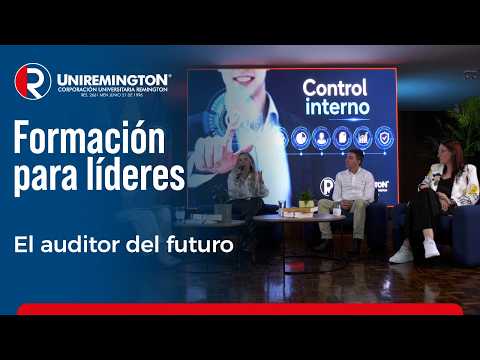
Conversatorio “Auditoría 4 0
Welcome and Introduction
Overview of the Conversational Space
- The host welcomes attendees to a discussion focused on professional experiences, challenges, and insights in risk management and internal control.
- The conversation aims to explore topics related to integrated risk management, internal control, assurance, and ethics.
- Organizations today operate in a BANI environment characterized by fragility, anxiety, non-linearity, and incomprehensibility for decision-makers.
Challenges in Risk Management
- The host initiates a discussion about the competencies required for professionals leading areas of audit, control, and risk management amidst growing complexity.
- Participants are asked to identify emerging professional development opportunities within these fields.
Evolving Role of Auditors
New Expectations from Auditors
- Mónica emphasizes that companies seek auditors who act as partners rather than mere process reviewers; they should anticipate risks and propose solutions.
- A strategic mindset is essential for auditors; those isolated in their offices will struggle to maintain relevance.
Key Competencies for Success
- Understanding the business context is crucial; auditors must build trust with stakeholders to effectively identify risks.
- Data literacy is vital; traditional sampling methods are insufficient given the volume of transactions organizations handle today.
Importance of Soft Skills
Communication and Influence
- Effective communication skills are necessary for auditors to convey findings persuasively across diverse audiences within an organization.
Professional Development Insights
- Mónica shares her personal journey in auditing alongside Dora, highlighting their passion for the profession despite its evolving image.
Professional Judgment and Continuous Learning
Emphasis on Professional Judgment
- Mónica stresses that professional judgment is critical for auditors to gain trust within organizations' leadership teams.
Lifelong Learning Commitment
- Continuous education through postgraduate studies remains relevant; it enhances credibility and expertise among seasoned professionals.
Humility and Team Collaboration
Collaborative Mindset
- Recognizing one's limitations while leveraging team strengths fosters effective collaboration among diverse skill sets within audit teams.
Adaptability in Communication
- Tailoring communication styles based on audience profiles ensures messages resonate effectively across different stakeholders.
Technological Integration in Auditing
Adapting Audit Practices
- The integration of technology into auditing practices allows professionals to conduct more thorough analyses beyond traditional methods.
Embracing Innovation
- Implementing innovative approaches like "invisible audits" can enhance consistency while maintaining ethical standards within organizations.
Future Opportunities in Assurance
Expanding Roles Beyond Traditional Boundaries
- Assurance roles are evolving; professionals can now collaborate with experts from various fields (e.g., engineering or IT), broadening their impact on organizational processes.
Creativity as a Driving Force
- Professionals can design tailored audit plans addressing specific needs (e.g., compliance during governmental transitions), showcasing creativity's role in assurance work.
Ethics as a Cornerstone
Ethical Standards Importance
- Ethical principles remain non-negotiable; exemplary ethical behavior fosters trust among colleagues and clients alike.
Cultural Reinforcement of Ethics
- Cultivating an ethical culture requires consistent reinforcement from leadership throughout all organizational levels.
The Importance of Ethics and Trust in Organizations
Understanding Ethics
- Ethics should not be viewed as outdated; it is about doing things correctly and fostering trust within teams and organizations.
- Converting ethical discussions into tangible concepts like trust can resonate deeply, as illustrated by personal stories shared during the discussion.
The Role of Trust
- Trust is essential for everyone; its absence can lead to significant losses, making it a foundational element for both individuals and organizations.
- Auditors play a crucial role in building trust, expected to embody integrity and reliability, which enhances confidence in their presence.
Professional Growth through Ethics
- Emphasizing ethics allows auditors to contribute significantly to companies, helping stakeholders believe in the organization’s value.
- The auditor's role presents unique opportunities to align personal values with professional responsibilities, impacting society positively.
Challenges Faced by Auditors
Expectations from Auditors
- Auditors often face pressure to set an example of perfection, leading to stress due to high expectations placed upon them.
Building Connections
- Fostering connections through transparency and integrity is vital for generating trust within organizations, influencing employees' behavior beyond work.
Impact on Society
Transcending Organizational Boundaries
- When auditors instill ethical practices within companies, they extend these values into employees' lives outside work environments.
Public Confidence
- For public accountants, maintaining public faith translates into accountability; this responsibility is emphasized throughout accounting education.
Experiences that Shape Auditor Roles
Significant Contributions
- Participants share experiences where their roles as auditors significantly influenced risk management decisions and added value to their organizations.
Inspiring Future Auditors
- Panelists are encouraged to reflect on impactful moments that highlight the importance of auditing as a profession with purpose and growth potential.
Real-Life Examples from Audit Professionals
Navigating Crisis Situations
- One speaker recounts managing audit processes during the pandemic at Grupo Bios, showcasing how proactive measures prevented operational shutdown.
Adapting Work Models
- Innovative approaches were developed for remote work during crises based on predictive models created by the audit team.
Empowering Individuals Through Audit
Transformative Experiences
- An auditor shares a story about empowering a previously overlooked employee who later became a financial manager after gaining visibility in audits.
Creating Opportunities
- By encouraging participation in audit committees, auditors can help uncover hidden talents within organizations that may otherwise remain unnoticed.
Inspiring Future Generations
Personal Reflections
- A panelist reflects on her journey from humble beginnings to becoming influential in corporate governance, emphasizing the transformative power of auditing careers.
Encouragement for Aspiring Auditors
- The message conveyed is one of hope: aspiring auditors can achieve great things regardless of their starting point if they embrace learning and growth opportunities.
Turn any video into a summary like this
YouTube links, meetings, lectures. With transcripts, search, and chat.