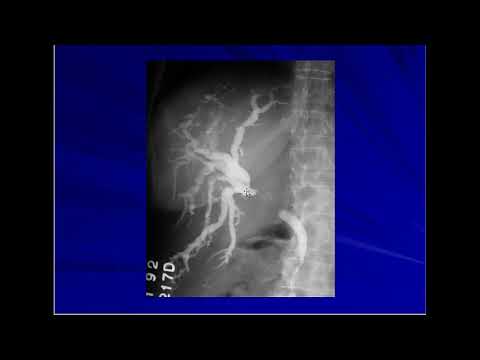
47.- Cáncer de las vías biliares
Overview of Biliary Tract Cancer
Introduction to Biliary Tract Tumors
- Biliary tract cancers are considered rare, with many cases going unreported as they are often discovered during autopsies.
- Literature reports fewer than 200 observations of biliary carcinoma, indicating a lack of comprehensive data on the subject.
Incidence and Prognosis
- For every 1,000 surgeries, there is an incidence rate of 1 to 3 cases of carcinoma in this location.
- The prognosis for biliary tumors varies significantly based on their anatomical location; distal lesions have a better resection possibility (25-30%) compared to proximal ones near the liver.
Types and Characteristics of Biliary Tumors
Classification and Gender Differences
- There is a notable difference in the occurrence rates between genders; men are affected more frequently than women (9:12 ratio).
- Macroscopically, tumors can present as either papillary or nodular types that obstruct bile flow.
Clinical Presentation
- Symptoms associated with extrahepatic bile duct cancer include jaundice, abdominal pain (especially in the right upper quadrant), fever, and pruritus due to bile obstruction.
Diagnostic Approaches for Biliary Cancer
Imaging Techniques
- Diagnosis involves physical examination and patient history to identify signs such as nodules or other initial indicators.
- Ultrasound is utilized to visualize internal organs by bouncing high-energy sound waves off tissues, creating sonograms that can reveal tumors.
Advanced Imaging Methods
- CT scans help confirm tumor presence while MRI uses magnets and radio waves for detailed imaging of internal structures.
- Endoscopic retrograde cholangiopancreatography (ERCP) allows visualization of bile ducts and detection of obstructions caused by tumors.
Biopsy Procedures and Laboratory Tests
Biopsy Techniques
- Fine needle aspiration biopsy can be performed under ultrasound guidance to obtain tissue samples for microscopic examination.
Liver Function Tests
- Elevated alkaline phosphatase levels indicate potential biliary obstruction or liver disease related to cancer.
Staging and Treatment Options for Biliary Cancer
Staging Process
- Once diagnosed, further examinations determine if cancer has spread beyond its original site through staging classification.
Treatment Strategies
- Localized cancers may be treated surgically if they remain confined; however, unresectable cancers require alternative approaches like bypass surgery or stenting.
Management of Recurrent Biliary Cancer
Recurrence Challenges
- When cancer recurs post-treatment, management depends on various factors including previous treatments received and overall patient health status.
Palliative Care Options
- Palliative measures may involve placing stents or performing more aggressive surgical interventions depending on the patient's condition.
Turn any video into a summary like this
YouTube links, meetings, lectures. With transcripts, search, and chat.