Unidad 4 - Trastornos del calcio y fosforo
Preparing for Exams: The Importance of Relaxation
Mindset Before the Exam
- Emphasizes the importance of being relaxed before an exam, distinguishing it from a careless attitude.
- Stresses that a calm and well-rested mind is crucial for optimal performance during exams.
- Advises students to trust their preparation and knowledge rather than cramming the night before.
Study Recommendations
- Suggests studying lightly the day before and then relaxing in the afternoon and evening prior to the exam.
- Encourages students to approach the exam with confidence, stating that good results will follow if they give their best effort.
Physiology of Calcium and Phosphorus
Overview of Calcium Regulation
- Introduces calcium physiology, highlighting its significance alongside phosphorus and magnesium.
- Discusses hypercalcemia (high calcium levels), hypocalcemia (low calcium levels), and management strategies for both conditions.
Key Organs Involved
- Identifies three critical organs in calcium regulation: bones (storage), kidneys (hormone production), and intestines (absorption).
- Mentions vitamin D's role in enhancing intestinal absorption of calcium.
Parathyroid Hormone Function
Role of Parathyroid Hormone
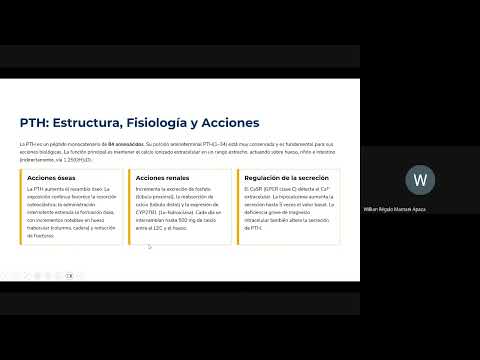
- Explains that parathyroid hormone maintains extracellular calcium levels while calcitonin lowers them.
- Describes how parathyroid hormone increases bone turnover through osteoclastic resorption to elevate blood calcium levels.
Impact on Renal Patients
- Notes that renal patients often develop hypocalcemia due to impaired kidney function affecting vitamin D production.
- Highlights pathological elevation of parathyroid hormone in renal patients as a compensatory mechanism for low blood calcium levels.
Factors Influencing Parathyroid Hormone Secretion
Synthesis and Regulation
- Discusses how parathyroid hormone synthesis is influenced by serum calcium levels; low levels stimulate increased production.
- States that vitamin D suppresses parathyroid hormone gene transcription, impacting chronic kidney disease management.
Metabolism Insights
- Details degradation pathways for parathyroid hormone occurring primarily in liver and kidneys, regulating excess hormones effectively.
Hypercalcemia Causes & Management
Understanding Hypercalcemia
- Defines humoral hypercalcemia related to malignancy caused by proteins similar to parathyroid hormone produced by various tissues.
Clinical Manifestations
- Lists symptoms associated with severe hypercalcemia including fatigue, depression, nausea, constipation, QT interval changes leading to potential cardiac arrest.
Primary Hyperparathyroidism
Epidemiology & Pathophysiology
- Describes primary hyperparathyroidism as common among postmenopausal women due to excessive secretion of parathyroid hormone leading to elevated blood calcium.
Diagnosis & Treatment Options
- Outlines diagnostic steps including measuring serum calcium and phosphate alongside immunoreactive parathormone assays. Surgical intervention is recommended when specific thresholds are met.
Hypocalcemia Causes & Symptoms
Recognizing Hypocalcemia
- Identifies chronic kidney disease as a primary cause along with signs like Chvostek's sign indicating neuromuscular irritability.
Treatment Considerations
- Discusses treatment approaches focusing on correcting underlying causes such as vitamin D deficiency or addressing hormonal imbalances related to hypoparathyroidism.
Overview of Autoimmune Polyglandular Syndrome (APS)
Key Concepts and Treatments
- APS is characterized by autoimmune polyglandular syndrome, often associated with candidiasis and mutations in the CaSR gene leading to autosomal dominant hypocalcemia.
- Genetic mutations play a role in APS; however, acquired conditions are typically surgical, particularly involving thyroid operations that may inadvertently remove parathyroid glands.
- Conventional treatment for hypoparathyroidism includes calcitriol (vitamin D) and oral calcium supplements to manage calcium levels post-surgery.
- In cases of ablation where patients lack parathyroid hormone, alternative treatments like enevoparatide may be considered alongside standard supplementation.
- Pseudohypoparathyroidism involves resistance to parathyroid hormone due to various genetic mutations affecting calcium metabolism.
Calcium Homeostasis
Mechanisms and Regulation
- Parathyroid hormone regulates calcium homeostasis through its effects on bone, kidney, and intestine; it consists of an 84-amino acid peptide crucial for maintaining calcium levels.
- Hypercalcemia diagnosis involves immunometric assays for parathyroid hormone; treatment varies based on severity and includes hydration, diuretics, bisphosphonates, and calcitonin.
- Hypocalcemia management can involve calcilytics or enevoparatides as therapeutic options when traditional methods are insufficient.
- Phosphorus plays a vital role in enzymatic processes within the body; approximately 85% is stored in bones and is essential for ATP production among other functions.
- Normal phosphorus levels range from 0.75 to 1.45 millimoles per liter in adults; regulation occurs primarily at the renal level through tubular reabsorption.
Phosphorus Regulation
Causes of Imbalance
- Renal tubular reabsorption controls phosphorus levels via sodium phosphate transporters located in the proximal tubule similar to glucose absorption mechanisms.
- Both parathyroid hormone and FGF23 regulate phosphorus reabsorption; unlike parathyroid hormone which suppresses vitamin D synthesis leading to hypophosphatemia.
- Hypophosphatemia can arise from insufficient intestinal absorption or excessive renal excretion; rapid redistribution into tissues also contributes to low phosphorus levels.
- Severe hypophosphatemia presents serious symptoms such as muscle weakness, confusion, rhabdomyolysis, respiratory failure, and cardiac dysfunction requiring immediate intervention.
- Treatment options include oral phosphorus supplements for mild cases or intravenous phosphate administration for severe instances.
Understanding Hyperphosphatemia
Diagnosis and Consequences
- Hyperphosphatemia is defined as serum phosphorus exceeding 1.8 millimoles per liter; chronic kidney disease is a primary cause due to impaired renal function leading to elevated phosphorus levels.
- Patients with hypoparathyroidism may also experience hyperphosphatemia resulting from cellular necrosis complications linked with high phosphorus concentrations.
- Serious consequences of hyperphosphatemia include calcium phosphate precipitation causing hypocalcemia, tetany, nephrocalcinosis, and cardiopulmonary calcifications.
- Tumor lysis syndrome can lead to increased phosphorus levels during tumor necrosis necessitating hydration strategies along with aluminum hydroxide chelators or hemodialysis if needed.
Magnesium's Role in Metabolism
Importance and Regulation
- Magnesium serves as a critical cofactor for numerous enzymes involved in metabolic processes; normal serum concentration ranges from 0.7 to 1.0 millimoles per liter with significant amounts stored in bones.
- Intestinal absorption accounts for about 30–40% while renal regulation manages around 60% of magnesium balance within the body.
- Hypomagnesemia results from intestinal malabsorption or excessive loss through diuretics leading to symptoms like arrhythmias or tachycardia often treated by replenishing magnesium stores.
- Hypermagnesemia is rare but can occur due to renal insufficiency presenting symptoms such as hypotension or lethargy requiring aggressive hydration strategies alongside potential hemodialysis interventions.
Acid-base Disorders Overview
Fundamental Concepts
- Acid-base disorders frequently encountered include metabolic acidosis—often tested clinically—alongside respiratory acidosis/alkalosis while metabolic alkalosis remains less common overall.
- Maintaining acid-base balance relies heavily on lung function alongside kidney activity aiming for pH stability between 7.35–7.45 utilizing bicarbonate buffering systems effectively against CO2 fluctuations .
- The Henderson-Hasselbalch formula illustrates that pH correlates directly with bicarbonate while inversely relating CO2 partial pressure emphasizing their interdependence during clinical assessments .
Clinical Application: Case Study
Patient Assessment Insights
- A patient presenting with pulmonary fibrosis exhibited compromised sensorium reflected by ABG results indicating severe acidosis necessitating prompt evaluation regarding underlying causes contributing towards CO2 retention issues .
- Differentiating between primary respiratory versus metabolic disorders becomes crucial since compensatory mechanisms vary significantly impacting treatment approaches tailored accordingly based upon specific diagnoses identified .
Turn any video into a summary like this
YouTube links, meetings, lectures. With transcripts, search, and chat.