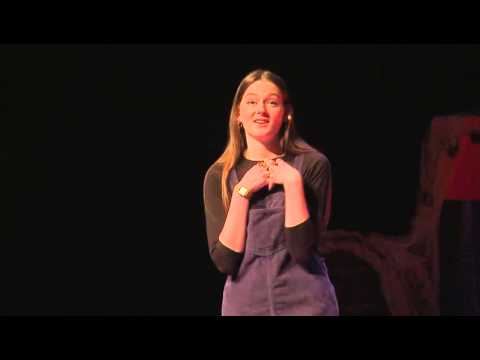
Why you should write | Cecilia Knapp | TEDxWarwick
Why I Write
The Essence of Writing and Expression
- The speaker shares a poem titled "Why I Write," emphasizing the importance of expressing feelings in a world where vulnerability is often suppressed.
- They highlight societal discomfort with discussing mental health, equating strength with silence, which can hinder those suffering from issues like depression or bereavement.
- The speaker advocates for sharing personal stories as an act of bravery that can help dismantle social taboos surrounding difficult topics.
- They believe creativity serves as a transformative outlet for emotions, allowing individuals to confront feelings that may otherwise remain unexpressed.
- Emphasizing accessibility, the speaker encourages everyone to find creative outlets in their lives, asserting that self-expression can be healing.
Practical Approaches to Creativity
- The speaker promotes various forms of creative expression as essential tools for emotional processing and healing.
- Suggestions include writing down feelings, drawing, walking to clear one's mind, or cooking—emphasizing that creativity should not be seen as exclusive or elitist.
Exploring Vulnerability Through Writing
The Importance of Sharing Feelings
- Emphasizing the need to express feelings and share stories, highlighting that these experiences are universal. Hiding emotions can lead to polarization both personally and socially.
Personal Reflection on Writing
- The speaker shares their journey with writing as a means to process loss and fear, aiming for comfort through storytelling. They reflect on how writing helps clarify chaotic thoughts.
Insights from Joan Didion
- Citing Joan Didion's essay "Why I Write," the speaker resonates with the idea that writing is a tool for understanding one's thoughts, fears, and desires. It transforms chaos into clarity.
Coping with Loss
- The speaker discusses losing their brother to suicide, which heightened their awareness of mental health stigma. Writing became essential in coping with this profound loss.
Creative Expression as Healing
- Their one-woman spoken word piece "Finding Home" addresses themes of loss and mental health, illustrating how sharing personal narratives can foster connection and vulnerability among others.
The Complexity of Memory and Grief
Reflecting on Memories
- A poignant reflection on memories associated with the speaker's brother, capturing both joyful moments and painful recollections that shape their grief experience.
The Fear of Forgetting
- Expresses anxiety about forgetting loved ones after they pass away, emphasizing the struggle between holding onto memories versus accepting impermanence.
Navigating Painful Experiences
- Discusses conflicting memories—both negative experiences and cherished moments—highlighting how grief complicates memory retention.
The Desire for Presence
- A heartfelt wish to relive moments with the deceased rather than merely remembering them; expressing a longing for tangible connections over abstract memories.
Finding Solace in Writing
- Concludes by stating that writing serves as a crucial outlet for processing grief amidst life's fragility. It connects individuals through shared vulnerabilities while acknowledging collective struggles.