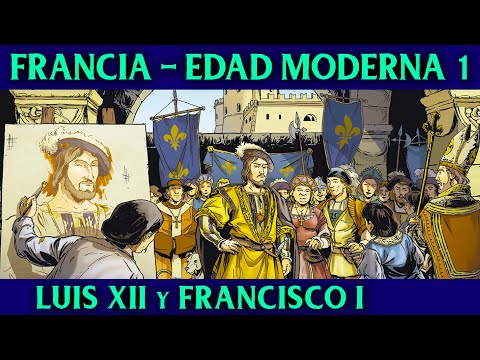
FRANCIA en la EDAD MODERNA 1 🇫🇷 Luis XII y Francisco I - Las Guerras Italianas - HISTORIA DE FRANCIA
Introduction to Modern France: Historical Context
Overview of the Transition from Medieval to Modern France
- The series begins with a focus on France during the Modern Age, spanning from 1500 to 1800, marking the end of the French Revolution and Napoleon's rise.
- A brief recap of earlier history includes the Merovingian kings, Charlemagne's Carolingian Empire, Viking invasions, and the Capetian dynasty leading into the Crusades.
- The conflict with England culminated in the Hundred Years' War, which solidified France as a powerful entity under Charles VI.
The Reign of Louis XII: Early Conflicts and Alliances
Key Events During Louis XII's Rule
- In 1498, after Charles VI’s death, Louis XII ascended to power following a failed Italian campaign.
- Louis married Anne of Brittany to stabilize regional tensions; he granted autonomy in exchange for loyalty.
- He sought control over Milan due to familial ties and allied with Venice and the Papacy against Ludovico Sforza.
The Italian Wars: Expansion and Conflict
Major Military Campaigns
- Following Milan's conquest, Louis XII expanded French influence over Mantua and Ferrara while forming alliances with Florence.
- The Treaty of Granada (1500), dividing southern Italy between France and Spain, led to disputes that ignited further conflicts.
- The Third Italian War began in 1501 when Spanish forces expelled French troops from Naples after initial successes.
Political Developments Under Louis XII
Domestic Policies and Governance
- In 1506, Louis convened the Estates-General in Tours to address grievances about wars and taxes amidst his moderate governance style.
- His reforms included lowering taxes and enhancing judicial systems while promoting Gallicanism for clerical independence from Rome.
Artistic Contributions During Louis XII’s Era
Cultural Renaissance
- Notable architectural achievements include Château de Blois as a symbol of transition from Gothic to Renaissance styles.
Pope Julius II: Shifting Alliances in Italy
Complex Relations Between States
- Julius II formed the League of Cambrai against Venice but later turned against France due to territorial ambitions leading into prolonged warfare.
Transition to Francis I: New Leadership Dynamics
Succession After Louis XII
- Upon Louis’ death in 1515, Francis I took over at age 21; his reign marked by cultural flourishing influenced by humanist ideals.
Francis I: Patronage of Arts
Renaissance Influence on Culture
- Francis promoted arts through commissions from renowned artists like Leonardo da Vinci while establishing institutions like the College of France.
Military Engagement Under Francis I
Continued Warfare Against Habsburg Dominance
Francis faced multiple conflicts with Charles V over territories including Milan; notable battles included Pavia where he was captured.
Treaty Negotiations Post-Capture
Diplomatic Maneuvering
- After being imprisoned post-Pavia battle , Francis negotiated concessions through Treaty of Madrid but retained ambitions for recovery.
Formation of Anti-Habsburg Alliances
Coalition Against Spanish Power
- Post-capture , Francis allied with Pope Clement VII against Spanish dominance initiating further military campaigns known as Sixth Italian War.
Conclusion of Hostilities Through Treaties
Final Peace Agreements
- The Peace of Cambrai (1529), negotiated by women leaders Luisa de Saboya & Margarita de Austria ended hostilities but left unresolved tensions between powers.
Internal Consolidation Under Francis I
Strengthening Royal Authority
- By absorbing feudal territories into royal domain , he centralized power while managing noble families’ influence within governance structures.
Religious Turmoil: Protestant Reformation Impact
Rise Of Protestant Movements
- Martin Luther’s reformation sparked civil unrest among Catholics vs Protestants leading towards future religious wars within France.
Persecution Against Huguenots
Escalating Tensions
- In response to Huguenot propaganda efforts , violent crackdowns ensued reflecting growing sectarian divides within society.
Exploration Initiatives Towards North America
Early Colonial Ventures
French expeditions led by Giovanni da Verrazzano & Jacques Cartier laid foundations for future colonies despite challenges faced during settlement attempts.
(T=t1410)
Administrative Reforms Under Francis I
Establishment Of Civil Registration System