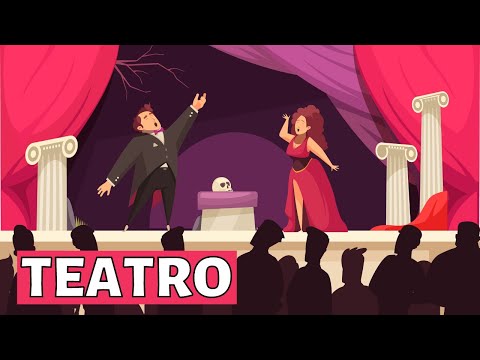
¿Qué es el TEATRO y cuáles son sus elementos? Características y tipos🎭
What is Theatre?
Introduction to Theatre
- The speaker introduces the topic of theatre, explaining its significance as an artistic expression that represents real or fictional situations and historical events to an audience.
- Theatre involves extra-literary factors such as stage design and lighting, which enhance the representation of events by actors who aim for realism and conviction in their performances.
Characteristics of Theatre
- Key characteristics include the necessity of actors for a performance; without them, there can be no theatrical representation.
- An essential aspect is the presence of an audience; without spectators, the performance loses its purpose.
- Musical accompaniment may be included depending on the genre, enhancing emotional delivery during performances.
- Every play requires a script or libretto to ensure coherence and order in storytelling.
- The stage must be designed to effectively convey the required environments for better audience engagement.
Elements of Theatre
- Essential elements include:
- Montage: Refers to all components necessary for a play's interpretation.
- Author/Dramatist: The creator of the work.
- Director: Organizes and guides all aspects of production.
- Assistant Director: Supports and substitutes for the director when needed.
- Producer: Finances and oversees the entire artistic project.
Key Components in Theatre Production
Support Staff and Audience
- Actors portray various characters within a play while support staff includes makeup artists, designers, cameramen, etc., who contribute behind-the-scenes efforts.
- The audience plays a crucial role as they are essential participants in any theatrical event.
Stage Requirements
- A successful performance relies on key stage characteristics like proper lighting, acoustics, ambiance, and comfort for both performers and viewers.
- Additional components include curtains (to open/close scenes), backdrops (for setting), rigging (for decorations), lights (to create atmosphere), and seating arrangements based on performance needs.
Types of Plays
Main Types of Theatre Works
- Tragedy: Focuses on dramatic moments often involving death or failed love stories. Examples include "Oedipus Rex," "Electra," and "Antigone."
- Comedy: Features humorous elements aimed at entertainment. Notable works are "A Midsummer Night's Dream" by Shakespeare and "The School for Wives" by Molière.
Other Genres
- Drama: Depicts real-life conflicts or family situations with examples like "Hamlet" or "Romeo and Juliet."
- Musical: Combines music with dance; notable examples are "Jesus Christ Superstar" or "Cats."