The Surprising Truth About Why You Never Finish What You Start
The Journey of a Young Carpenter: Overcoming Incompletion
Introduction to Marcus's Struggles
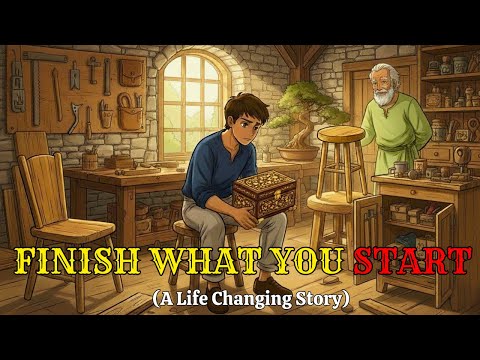
- Marcus, a 28-year-old carpenter, is filled with creative ideas but struggles to finish any project he starts. His workshop is cluttered with unfinished furniture pieces, symbolizing his broken dreams and growing shame.
- Despite his talent, Marcus faces mounting pressure from neighbors and family regarding his inability to complete projects, leading to a tarnished reputation in the village.
The Turning Point
- An opportunity arises when the mayor's daughter commissions Marcus for a unique wedding gift—a hand-carved wooden chest—giving him hope that this project could change everything. He feels energized by her trust in him.
- However, as he begins working on the chest, distractions arise from new ideas for smaller projects, causing him to abandon the wedding chest once again. This pattern of starting but not finishing continues despite his initial excitement.
The Depth of Failure
- On the day of the wedding, Marcus realizes he has failed yet again; the chest remains unfinished while another carpenter takes over the job. This moment marks a significant emotional low for him as he confronts years of unfulfilled potential and disappointment.
- Overwhelmed by guilt and shame from repeated failures, Marcus breaks down emotionally for the first time in years while surrounded by his incomplete work. He expresses deep frustration about his inability to finish what he starts.
Seeking Guidance from Master Samuel
- In desperation, Marcus seeks out an old master carpenter named Samuel known for both craftsmanship and wisdom. Samuel invites him into his organized workshop without judgment or questions about his struggles.
- Samuel teaches Marcus that every piece of wood contains its final form within it; one must remove everything unnecessary to reveal it—this metaphor becomes pivotal in understanding completion versus mere beginnings.
Lessons on Finishing Projects
- Samuel emphasizes that every project goes through challenging phases—the exciting beginning, frustrating middle (where most people quit), and satisfying end—highlighting that commitment is key during tough times rather than motivation alone.
- He instructs Marcus to choose one small project and commit to touching it daily until completion regardless of motivation or distractions—a practice aimed at building consistency over time rather than relying solely on inspiration or excitement.
Transformation Through Commitment
- Following Samuel’s advice, Marcus chooses a simple stool as his first project and commits to working on it daily for just ten minutes at a time; this small step leads him toward regaining confidence in completing tasks consistently over time.
- As days pass with consistent effort—even amidst temptations for new ideas—Marcus experiences pride not just in starting but also in following through until completion; this shift marks significant personal growth for him as he learns discipline through routine actions instead of bursts of creativity alone.
Rebuilding Reputation and Self-Worth
- After successfully completing several projects using this methodical approach—including the stool—Marcus rebuilds both his self-esteem and reputation within the village as neighbors notice positive changes reflected in finished works rather than abandoned ones scattered throughout his workshop.
Conclusion: Embracing Completion as a Skill
- Six months later, when approached again by the mayor's daughter seeking her wedding chest now turned anniversary gift request due to rumors about Marcus’s transformation—it symbolizes not only regained trust but also newfound capability rooted deeply within commitment practices learned along this journey towards becoming someone who finishes what they start effectively!