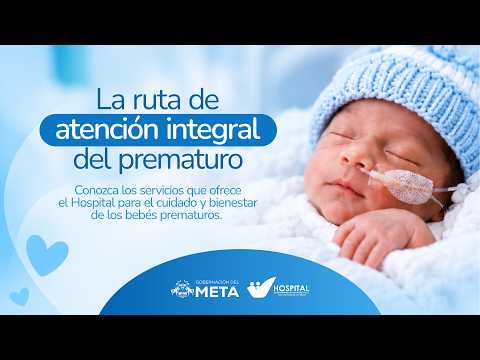
🩺 ¿Conoce cómo cuidamos a los bebés prematuros?
Special Greetings and Prematurity Awareness
Introduction to the Topic
- A special greeting is extended to families, health professionals, and viewers during a transmission commemorating World Prematurity Day.
- The day emphasizes the importance of care for premature infants and those with low birth weight.
Importance of Care for Low Birth Weight Infants
- Focus on managing low birth weight infants from their arrival at the hospital through follow-up care once they return home.
- Educational information is shared about handling premature babies and supporting their families throughout the process.
Multidisciplinary Team Approach
Introduction of Health Professionals
- Dr. Jimena, a pediatrician in neonatal ICU, discusses the integral program for managing premature infants at Hospital Departamental de Villavicencio.
Kangaroo Mother Care Program
- The Kangaroo Mother Care program aims to provide optimal conditions for premature and low-birth-weight newborns' development.
- Emphasis on empowering parents and caregivers through skin-to-skin contact with their newborn immediately after birth.
Classification of Newborn Needs
Identifying Infant Categories
- Infants are classified based on weight (under 2,500g or born before 37 weeks), determining their care needs in either regular rooms or neonatal ICU.
Parental Involvement in Infant Care
Engaging Parents in Care
- Immediate classification upon birth allows parents to engage early with their infant's care, fostering emotional connections through skin-to-skin contact.
Nutritional Support for Infants
Importance of Breastfeeding
- Ensuring mothers provide breast milk is crucial; it supports healthy growth and development while minimizing potential health issues.
Recommendations for Families
Open-Door Policy
- The hospital promotes an open-door policy allowing parents continuous access to their infants in neonatal ICU, enhancing bonding experiences.
Understanding Baby's Needs
- Parents learn about risk factors affecting their baby’s health while receiving training on feeding techniques and developmental support.
Transitioning from Hospital to Home
Integrated Follow-Up Care
- Coordination between inpatient Kangaroo program and outpatient follow-up ensures continued support post-discharge for optimal infant development.
Neonatal Screening Initiatives
Early Detection Strategies
- The hospital implements basic neonatal screening to identify genetic or metabolic disorders early using specialized technology like Elisa testing.
Ambulatory Follow-Up Programs
Post-Hospitalization Monitoring
- Continuous monitoring begins after discharge; families must ensure timely follow-ups within 24–72 hours post-hospitalization for ongoing assessments.
Role of Parents in Ongoing Care
Commitment from Families
- Parents play a critical role by adhering to follow-up appointments and nutritional guidelines essential for their baby's growth trajectory.
Universal Nature of Prematurity Issues
Addressing Prematurity as a Global Concern
- Recognizing that prematurity affects all demographics underscores the need for comprehensive programs like Kangaroo Mother Care available at local hospitals.
Management of Retinopathy in Premature Infants
Importance of Monitoring and Treatment
- Continuous monitoring is essential for premature infants diagnosed with retinopathy until retinal vascularization is complete.
- Not all infants with retinopathy require treatment; some may recover spontaneously, but those needing intervention have several options available.
- Treatment methods include intraocular injections of antiangiogenic medication, laser therapy, and vitreoretinal surgery for severe cases.
Family and Institutional Recommendations
- Families must understand that retinopathy is not visible to the naked eye; regular examinations are crucial for early detection.
- There exists a narrow window (sometimes as short as 72 hours) to administer appropriate treatment, emphasizing the need for timely follow-ups.
- Institutions should ensure mandatory ophthalmological screenings for all premature infants, highlighting the importance of experienced personnel in managing these cases.
Legal Framework Surrounding Care for Premature Infants
Legislative Changes
- The legal framework includes Law 2433 and Resolution 1812, which mandate universal access to care for premature infants and outline operational guidelines.
- Law 2433 emphasizes obligatory attention and follow-up care while Resolution 1812 provides specific directives on how this care should be implemented from gestation onward.
Comprehensive Care Approach
- Care must begin during pregnancy to minimize complications; immediate post-birth practices like skin-to-skin contact are vital.
- Updates in vaccination protocols and nutritional supplementation are included in the new regulations, ensuring comprehensive health management.
Responsibilities of Health Institutions
Collaborative Efforts Required
- Both healthcare providers (EPS and IPS) share significant responsibilities in ensuring timely access to necessary services for premature infants.
- EPS must guarantee service networks while IPS should execute comprehensive programs like Kangaroo Mother Care without barriers or copayments.
Importance of Neonatal Units
- Establishing neonatal intensive care units is critical due to the high-risk nature of premature infants; continuity of care must be maintained throughout their treatment journey.
- Regulations stress that follow-up care should occur within the same healthcare provider system to prevent lapses in treatment continuity.
Adherence to New Guidelines
Implementation Challenges
- The extensive nature of Resolution 1812 necessitates familiarity among healthcare professionals regarding its provisions for managing premature infant care effectively.
- Emphasis on adherence ensures that established guidelines translate into practical applications rather than remaining theoretical mandates.
Call to Action
- Healthcare professionals are urged to familiarize themselves with these regulations actively; compliance will enhance patient outcomes significantly.
Holistic Support Systems
Multidisciplinary Approach
- A multidisciplinary team approach enhances overall support for premature infants through various screenings such as auditory assessments alongside visual checks.
Community Impact
- The Kangaroo Mother Care program aims not only at individual health improvements but also contributes positively towards societal well-being by reducing long-term developmental issues among children born prematurely.
Turn any video into a summary like this
YouTube links, meetings, lectures. With transcripts, search, and chat.