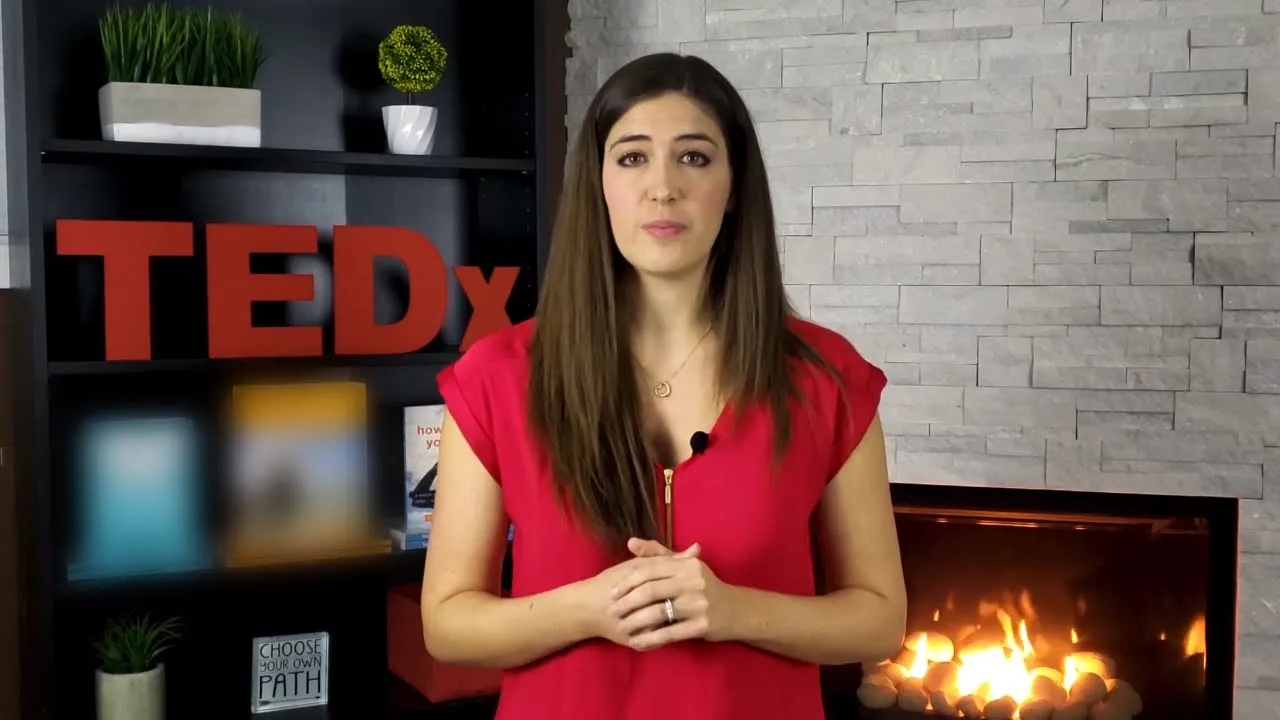
How Consent is More Than Just a Question and an Answer | Cheryl Bradshaw | TEDxQueensU
Understanding Consent and Safety
Personal Experiences with Consent
- The speaker recounts a personal experience where a male friend kissed her despite her saying no, leading to feelings of confusion and shame the next day.
- Another incident involved a male supervisor who drove the speaker to an abandoned parking lot, where she felt pressured into giving consent, resulting in emotional distress afterward.
- The speaker reflects on how societal teachings about consent left her feeling defective for not resisting more forcefully during these encounters.
Shared Stories and the Me Too Movement
- As a psychotherapist, the speaker hears similar stories from students, highlighting common themes of secret shame related to consent violations.
- Examples include individuals feeling responsible for unwanted sexual experiences due to perceived failures in asserting their boundaries.
Defining Consent
- The speaker emphasizes the need for clear definitions of consent, introducing "freely given, enthusiastically affirmative consent" as essential for understanding healthy interactions.
- An acronym "HOT SPICE" is introduced to outline key elements of effective consent: Honest, Ongoing, Talked about, Specific, Present moment, Informed, Changeable, and Enthusiastic.
Misconceptions About Consent
- The discussion highlights that simply asking for consent does not guarantee it; context matters significantly in determining true agreement.
- The importance of safety is emphasized; without it, responses may be survival-based rather than genuine expressions of consent.
Survival Responses and Trauma
- The concept of survival responses is introduced—reactions that occur when individuals feel unsafe or threatened during intimate situations.
- These responses can manifest as freeze or fawn behaviors instead of fighting back or fleeing when faced with potential harm.
Exploring the Survival House Metaphor
Brain Function During Threatening Situations
- The metaphorical "survival house" illustrates how different brain systems respond under threat: social engagement at the top floor versus survival instincts below.
- When feeling safe (top floor), individuals can communicate effectively; however, descending floors indicate increasing levels of distress and impaired communication abilities.
Impacts on Consent Communication
- As individuals descend through these floors due to trauma triggers (e.g., helplessness), their ability to articulate needs diminishes significantly.
Key Insights on True Consent
Redefining Consent Dynamics
- Two critical truths emerge: true consent requires verbal affirmation within a safe environment; otherwise survival responses may misrepresent agreement.
Importance of Creating Safety
- Establishing safety involves mutual respect and trust among partners before engaging in intimate activities.
Dimensions of Safety in Consent
Legal and Emotional Considerations
- Legal safety encompasses ensuring all parties are capable of giving informed consent without coercion or pressure from power dynamics.
Social Dynamics Affecting Safety
- Social safety entails creating an environment where partners feel free to express desires or refusals without fear of losing important relationships.
Triggers Impacting Safety Perception
Identifying Common Triggers
- Five main triggers affecting feelings of safety are identified: abandonment, rejection, feeling trapped, helplessness, and loss of control.
Conclusion on Evolving Understanding
- A comprehensive approach towards understanding true consent includes recognizing legal aspects alongside emotional and social dimensions while being aware of potential triggers that could compromise safety.
Turn any video into a summary like this
YouTube links, meetings, lectures. With transcripts, search, and chat.