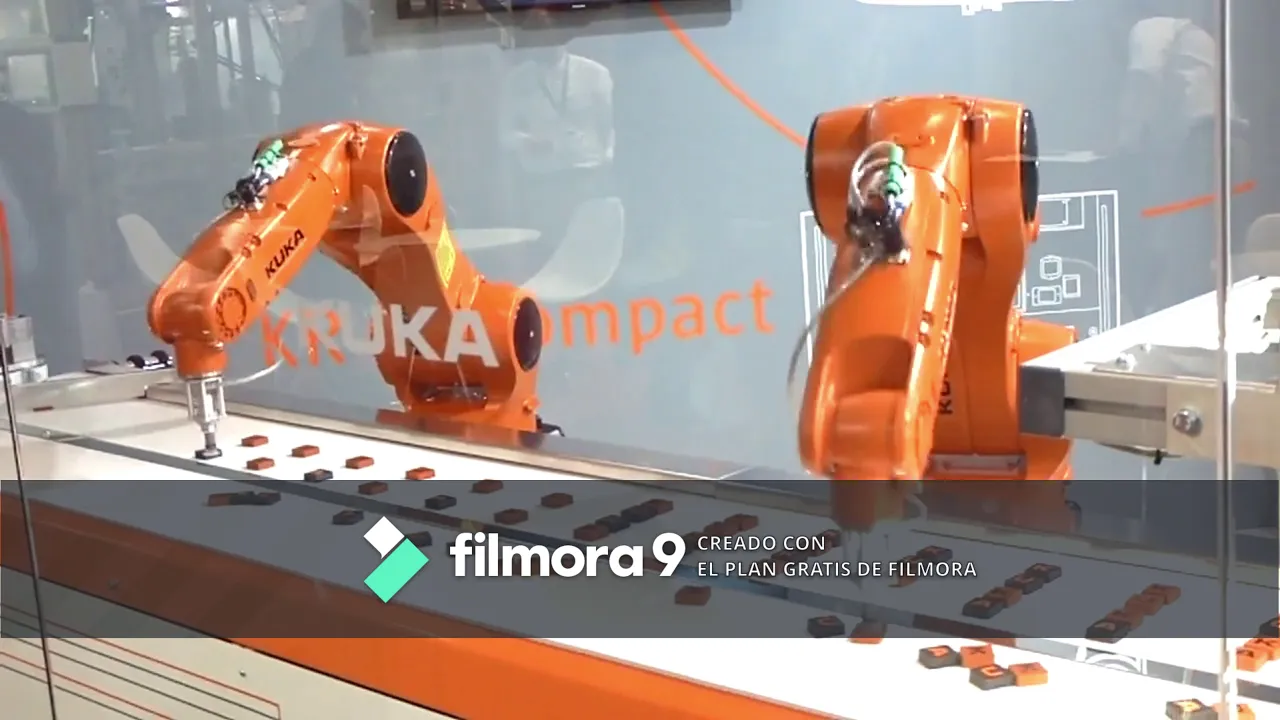
SISTEMAS DE MANUFACTURA FLEXIBLE (FMS) #ddisenoproduccion
Manufacturing Systems and Flexibility
This section discusses the processes of production, efficiency in manufacturing, and the concept of flexible manufacturing systems.
Processes of Production and Flexible Manufacturing Systems
- Flexible manufacturing systems integrate manufacturing or assembly processes with material flow and computer-controlled communication.
- These systems aim to have a plant that can quickly and economically respond to changes in its operational environment.
- Stations in flexible manufacturing systems consist of interconnected processing machines or CNC tools controlled by an automated material handling system under numerical control programs.
- Flexibility is tested based on various factors such as processing different part styles, accepting production program changes, immediate response to equipment failures, introducing new part designs, and central computer coordination.
- Advantages of these production systems include sensitivity to market changes, rapid responsiveness, flexibility, complexity compared to traditional production lines or assemblies.
- They lead to time and labor savings while the numerical control system plans production efficiently.
Types of Flexible Manufacturing Systems
- In-line systems involve linear transfer for moving parts between processing sequences and loading/unloading stations with movements in two directions.
- These systems allow different machining sequences for parts within the same family due to accessibility between machines.
- Cycle-based systems utilize a conveyor or cycle of stations around a workstation enabling varied machining sequences for part families.
- The open-field system involves chained cycles with material handling.
- Robot-centered systems feature robots managing loading/unloading positions within cells categorized by flexibility range from limited to extensive spectrums.