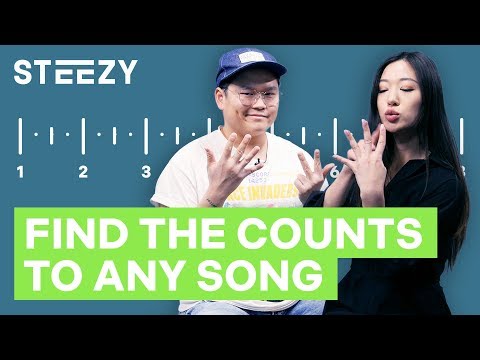
How To Find The Counts Of Any Dance Song Like A Pro | STEEZY.CO
Counting Music for Dance: A Comprehensive Guide
Understanding the Complexity of Counting in Dance
- Counting music for dance involves more than just basic counts; it requires a nuanced understanding that even experienced dancers find challenging.
- The video aims to help viewers break down different sounds and layers in music, enabling them to choreograph effectively to complex tracks.
Basic Counting Techniques
- The instructor introduces a simple arm motion exercise synchronized with the beat of a song, emphasizing steady beats.
- Viewers are guided to replace even-numbered counts with "Ka" to denote specific sounds introduced in the music, enhancing their counting skills.
Recognizing Patterns and Variations
- Dancers use counts to map out songs, helping them recognize patterns and predict upcoming sounds. This is crucial for effective choreography.
- The instructor demonstrates how counting can vary based on tempo by showing how the "woah" changes position when counting faster.
Advanced Counting Techniques: Half and Quarter Counts
- Introduction of half counts (represented by "and") divides whole counts into halves, while quarter counts (using "e" and "a") further subdivide them into fourths. This allows for more intricate timing in dance routines.
- An example is provided where participants practice these new counting techniques alongside music, reinforcing their understanding of rhythm and timing.
Layering Sounds in Choreography
- The video transitions into analyzing a specific song ("Hipster Girl" by Sango), focusing on identifying various sound layers such as hi-hats and basses within the music structure. This helps dancers understand how to incorporate different elements into their movements.
- Participants learn to visualize musical elements like bass lines while practicing their counts, which enhances their ability to synchronize movement with sound intricacies during performance.
Integrating Lyrics with Musicality
- Adding lyrics complicates counting since vocalists may not adhere strictly to rhythmic patterns; however, visualizing melodies can aid dancers in marking lyric placements within beats using other musical cues like bass notes.
Practical Application and Resources
- Viewers are encouraged to listen actively across various genres of music and apply learned counting techniques during choreography or freestyle sessions for better rhythm comprehension. Additionally, they are invited to explore classes offered on STEEZY Studio that focus on rhythm and musicality through structured lessons that isolate different count patterns from songs.
Community Engagement
- The instructor invites viewers who have tips on counting music to share insights in the comments section, fostering community learning among dancers.
Conclusion
- A light-hearted reminder encourages viewers to subscribe for future content while expressing appreciation for community support.