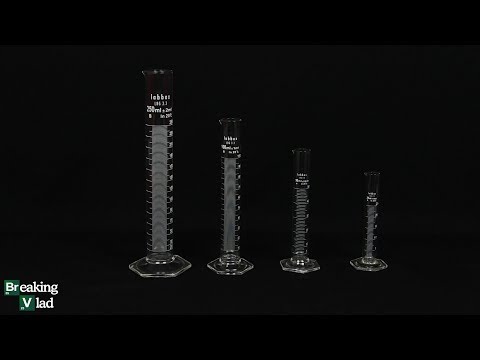
Probetas | 3 | Material de laboratorio
Understanding Graduated Cylinders in Chemistry
Introduction to Graduated Cylinders
- The video introduces graduated cylinders, a common laboratory material used for measuring liquids.
- These cylinders are elongated, hollow tubes with a flat base that allows them to stand vertically.
Characteristics and Types
- Graduated cylinders come in various volumes, ranging from milliliters to liters.
- They typically feature a spout similar to beakers for easy pouring and can be made of plastic or glass, with glass being more common due to its chemical resistance and transparency.
Precision and Usage
- While graduated cylinders offer slightly better measurement precision than beakers or flasks, they may not suffice for highly precise measurements.
- Generally marked in 100-milliliter increments, the precision of each cylinder is indicated on its neck.
Practical Application
- The primary purpose of graduated cylinders is to measure and transfer approximate liquid volumes; their narrow shape aids in determining smaller fractions accurately.
- Their stable design allows them to remain upright without risk of spilling, making them user-friendly for liquid transfers.
Important Considerations
- When using graduated cylinders, it’s important not to expose them to extreme temperature changes as this can deform the glass and affect measurement accuracy.