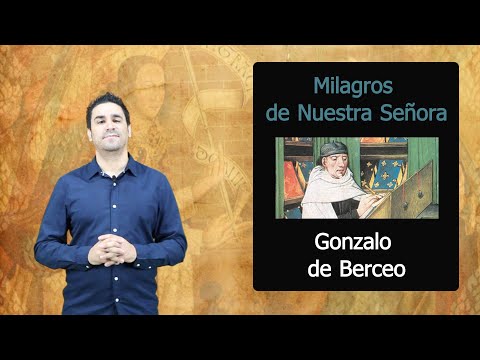
Gonzalo de Berceo |Milagros de Nuestra Señora
Gonzalo de Berceo: A Key Figure in Spanish Literature
Introduction to Gonzalo de Berceo
- Gonzalo de Berceo is recognized as the first known author in Castilian literature and a leading figure of the mester de clerecía, focusing on moralizing religious themes.
- Born in a village near modern-day La Rioja, he was educated at the San Millán de la Cogolla monastery, which was a significant cultural center during his time.
Early Life and Education
- After completing his studies, Berceo became a secular cleric and worked as a notary for Abbot Juan Sánchez of San Millán.
- The San Millán monastery played a crucial role in Berceo's life and work, having been established in the 6th century and becoming an important cultural hub.
Challenges Faced by the Monastery
- By around 1200, San Millán began losing prominence compared to nearby monasteries, resulting in decreased donations and tax revenues.
- In response to this decline, Berceo allegedly participated in document forgery to assert the monastery's rights to annual tributes.
Literary Contributions
"Los Milagros de Nuestra Señora"
- His most notable work is "Los Milagros de Nuestra Señora," consisting of 25 miracles introduced by an allegorical narrative praising the Virgin Mary.
- While not original in theme—drawing from Latin sources—Berceo's merit lies in elegantly translating these miracles into accessible Castilian language.
Structure and Themes
- The miracles are categorized into three groups:
- Rewards and punishments (e.g., "El pobre caritativo")
- Forgiveness (e.g., "El sacristán impúdico")
- Conversion crises (e.g., "El clérigo embriagado").
- Each miracle follows a unified structure where temptation leads to sin, followed by intercession from the Virgin Mary that saves the sinner’s soul.
Style and Language
- Written in cuaderna vía with four alexandrine verses per stanza, it employs monorhyme with assonance. The moral intent emphasizes Mary's favor towards her devotees.
- Other works by Berceo also focus on religious narratives with Marian themes or hagiographies like "La vida de Santa Oria."
Conclusion on Berceo's Impact