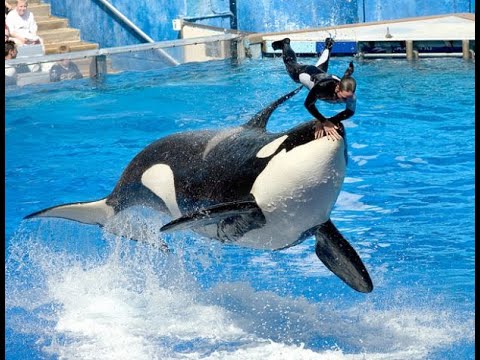
Blackfish: A Baleia Assassina do SeaWord (Documentário)
Introduction to SeaWorld and Personal Connection
Early Experiences with Marine Life
- The speaker recalls their first visit to a theme park at 17, where they were captivated by marine life shows, particularly those featuring whales and dolphins.
- Inspired by National Geographic specials, the speaker aspired to become a trainer despite believing that a marine biology degree was necessary for such roles.
- They discovered that personality and swimming ability were more important than formal qualifications when applying for a trainer position.
First Day as a Trainer
- On their first day, the speaker experienced excitement and nervousness while preparing to enter the water with dolphins.
- They describe being overwhelmed by the size of orcas during their initial encounters, which deepened their admiration for these animals.
Building Relationships with Orcas
Training Experiences
- The speaker emphasizes forming personal relationships with orcas, noting how mutual understanding develops between trainers and animals.
- They reflect on the physical demands of training in deep waters and highlight the joy derived from working closely with these intelligent creatures.
Incident Investigation
Tragic Event Overview
- A tragic incident involving an orca resulted in severe injuries to a trainer; details include blood in the water and discussions about safety protocols.
- Investigations revealed inherent dangers associated with swimming alongside wild animals like orcas, leading to debates about trainer safety regulations.
Historical Context of Orca Captivity
Capturing Orcas: A Dark History
- The narrative shifts back decades to discuss historical practices of capturing orcas using boats and nets, often resulting in trauma for both mothers and calves.
- The emotional toll on captured whales is highlighted through descriptions of family separations during capture operations.
Reflections on Ethical Concerns
Ethical Implications of Captivity
- Trainers express regret over past actions related to capturing whales, acknowledging it as one of their most regrettable experiences.
- Discussion includes insights into training methods that involved punishment rather than positive reinforcement, leading to behavioral issues among captive whales.
Life Inside Captivity
Living Conditions for Orcas
- Descriptions reveal harsh living conditions for captive orcas, including confinement in small spaces leading to psychological distress.
- Trainers recount witnessing physical injuries sustained by orcas due to aggressive interactions stemming from stress-induced behaviors.
Psychological Impact on Orcas
Understanding Animal Behavior
- Insights are shared regarding how captivity can lead to psychosis-like symptoms in orcas due to prolonged isolation and lack of stimulation.
Incident Involving Trainer's Death
Details Surrounding Fatality
- A tragic incident involving a trainer who drowned after being pulled underwater by an orca raises questions about safety measures within marine parks.
Aftermath of Trainer's Death
- Following this event , there was significant media coverage , but many felt that investigations did not adequately address underlying issues related to animal welfare .
Legal Ramifications
- Discussions surrounding legal implications arise , focusing on whether SeaWorld prioritized profit over animal welfare following incidents involving trainers .
Public Perception Shift
- Over time , public perception shifted regarding killer whales , moving away from fear towards recognition of their intelligence and social structures .
Social Structures Among Orcas
- Research indicates that killer whales have complex social structures similar to humans , exhibiting strong familial bonds .
Emotional Intelligence
- Studies suggest that killer whales possess emotional intelligence comparable to humans , indicating rich emotional lives beyond mere instinctual behavior .
Cultural Significance
- Historical perspectives reveal cultural significance attributed to killer whales among indigenous peoples who viewed them as powerful spiritual beings .
Conclusion: Reevaluating Human-Animal Relationships
- The narrative concludes with reflections on human-animal relationships within captivity settings , emphasizing ethical considerations moving forward.
Sounds from the Deep
The Emotional Impact of Orcas in Captivity
- A heart-wrenching scene is described where researchers analyze unprecedented sounds made by orcas, raising ethical questions about their captivity.
- The narrative shifts to a new show at SeaWorld, highlighting the relationship between animals and trainers, emphasizing misconceptions about animal behavior.
- The speaker reflects on childhood beliefs regarding killer whales, admitting ignorance about their natural history and behavior despite being trained as an animal trainer.
Misconceptions About Orca Lifespan
- It is stated that orcas in captivity often die young; however, research shows they can live longer in the wild than previously claimed.
- Evidence suggests that captive male orcas have a significantly higher rate of dorsal fin collapse compared to wild counterparts, indicating poor health conditions in captivity.
Genetic Diversity and Aggression
- Discussion on mixing different cultural groups of orcas leads to potential aggression due to lack of shared upbringing and communication methods among them.
- Captive environments create daily tensions among orcas, leading to aggressive behaviors that are not observed in their natural habitats.
Life in Captivity vs. Natural Habitat
- The stark contrast between the vastness of ocean space for wild orcas versus confined spaces in aquariums is highlighted, emphasizing psychological stressors faced by these animals.
- An incident involving an aggressive interaction resulting in injury showcases the dangers inherent in keeping such intelligent creatures confined.
Trainer Responsibilities and Emotional Bonds
Ethical Dilemmas Faced by Trainers
- Trainers express emotional attachments to individual animals like Tico and Diego, complicating decisions about their care and well-being.
- A tragic event involving a trainer's death raises questions about safety protocols and emotional burdens carried by those who work with dangerous animals.
Historical Context of Trainer Incidents
- Reflections on past incidents reveal a culture of silence around trainer injuries and fatalities within marine parks.
- New insights into historical accidents challenge previous narratives blaming trainers for mishaps involving killer whales.
Understanding Killer Whale Behavior
Analysis of Aggressive Incidents
- Video evidence contradicting earlier claims reveals complex interactions between trainers and killer whales during performances.
- A specific incident illustrates how miscommunication can escalate into dangerous situations for trainers working closely with these powerful animals.
Consequences of Training Practices
- Observations highlight systemic issues within training practices that prioritize performance over animal welfare, leading to tragic outcomes.
Investigating Fatalities at Marine Parks
Incident Reports and Reactions
- Details surrounding a fatal attack raise concerns over inadequate safety measures for trainers interacting with killer whales during shows.
Legal Implications
- Ongoing investigations into multiple incidents suggest negligence within marine park operations regarding trainer safety protocols.
Public Perception vs. Reality
Media Representation
- Coverage surrounding attacks often downplays systemic issues within marine parks while sensationalizing individual incidents.
Conclusion: Future Considerations
- Calls for reevaluation of practices within marine parks emphasize the need for improved standards concerning both animal welfare and trainer safety.
The Inhumanity of Captivity
Discussion on Animal Treatment
- The speaker expresses concern over the treatment of animals in captivity, highlighting that it is inhumane to keep them confined.
- A specific example is given about a creature named "Trico," who spends long hours alone and appears to be suffering from confinement.
- The speaker argues for an end to performances involving captive animals, suggesting they should be released into more natural environments.
- There is a call for the release of older and sick animals that have spent years in captivity, advocating for their right to experience natural ocean rhythms.
- A legal decision regarding animal performance regulations is mentioned, emphasizing the need for trainers to maintain distance from orcas during shows.
Emotional Reflections
- The speaker shares a personal moment of gratitude while reflecting on the plight of these animals, indicating deep emotional engagement with their situation.
Turn any video into a summary like this
YouTube links, meetings, lectures. With transcripts, search, and chat.