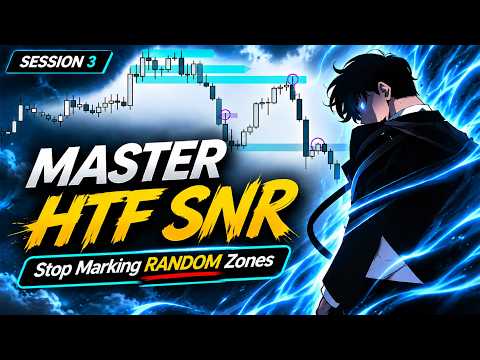
Malaysian SNR + Engulfing Strategy | Session 3 | How to mark HTF SNR Zones
Introduction to Trading Strategies
Overview of the Presenter
- The presenter, Prem (also known as Lexus), introduces himself as a funded trader and shares his credentials, inviting viewers to verify them.
- He encourages new viewers to subscribe to his Telegram channel for real-time updates and mentions that this is the third session in a series on SNR (Support and Resistance) and engulfing trading strategies.
Expectations from the Strategy
- Prem clarifies that viewers should not expect a 100% win rate; instead, he emphasizes building a systematic trading plan for growth.
- He highlights the importance of understanding direction in trading, which was covered in previous sessions.
Importance of Effort in Trading
Commitment to Success
- Prem stresses that profitability requires effort, noting that only one participant submitted work from the last session.
- He asserts that success depends on individual commitment; merely watching videos without practice will not lead to growth.
Understanding Direction with Examples
Analyzing Breakouts
- Using examples, he explains how to identify buy and sell breakouts across different time frames.
- He discusses determining market direction based on higher time frame analysis, emphasizing sell direction until an external buy breakout occurs.
Introduction to Higher Time Frame Zones (HTF)
Marking HTF Zones
- The session transitions into marking higher time frame zones, starting with following standard operating procedures (SOP).
- Prem demonstrates how to mark external breakouts using vertical lines and identifies levels such as engulfing sells or open-close levels.
Defining SNR Zones
Concept of SNR Zones
- He introduces the concept of SNR zones, explaining their significance in identifying entry points for trades.
- The presenter illustrates how to determine the lowest wick when marking V levels for SNR zones.
Practical Application of SNR Levels
Marking Techniques
- Prem details how to extend marked zones from wicks to create comprehensive SNR levels for potential entries.
- He contrasts A level markings by focusing on highest wicks compared to V level markings which focus on lowest wicks.
Recap of Marking Procedures
Summary of Key Steps
- A recap is provided on marking QM (Quality Market), apex levels, and resistance becomes support (RBS).
- Emphasis is placed on ensuring proper identification between A and V levels during analysis.
Monitoring Entry Modules
CMP Entry Module Focus
- The discussion shifts towards monitoring price action at identified zones for potential entry modules.
Continuation Patterns
Trading Continuations
- Prem explains how traders can continue trading based on established support/resistance patterns after confirming market direction.
Validating Support/Resistance Levels
Conditions for Validity
- It’s crucial that candle bodies close above or below specific wicks before considering them valid support or resistance zones.
Conclusion & Engagement
Final Thoughts
- Prem invites questions from viewers regarding any doubts they may have about marking HTF zones or other concepts discussed throughout the session.
Turn any video into a summary like this
YouTube links, meetings, lectures. With transcripts, search, and chat.