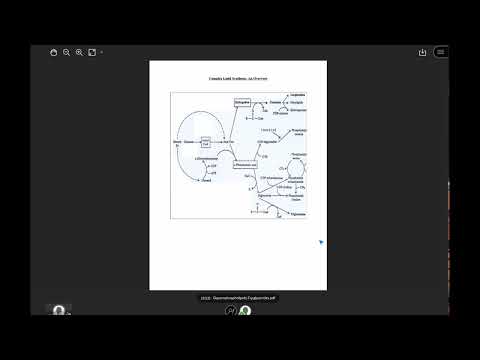
L47- 50 Glycerophospholipids / complex lipids / Triglycerides
Overview of Complex Lipids and Their Clinical Applications
Introduction to Complex Lipids
- The lecture aims to correlate biological, molecular, and clinical applications related to complex lipids, focusing on diseases associated with them.
- The presentation is divided into two sections: the first focuses on complex lipids and their metabolic pathways, particularly triglycerides.
Metabolic Pathways of Triglycerides
- Discussion includes the synthesis process of triglycerides and the intermediates involved in this pathway.
- Emphasis on whether discussing fasting or feeding states as it affects lipid synthesis processes.
Key Intermediates in Lipid Synthesis
- Identification of key intermediates that facilitate understanding triglyceride synthesis and breakdown.
- Fatty acid synthesis is crucial for producing triglycerides; acyl-CoA is highlighted as a significant intermediate.
Differences in Triglyceride Generation
Sources of Triglycerides
- Distinction made between generating triglycerides from dietary fats versus carbohydrates.
- Glycerol's role as an intermediate in converting glucose into fatty acids during triglyceride synthesis is discussed.
Simplified Pathways
- Simplification of pathways leading to triglyceride production emphasizes glycerol phosphate formation from various sources.
Phosphatidic Acid and Its Role
Phosphatidic Acid Formation
- Phosphatidic acid plays a critical role in both triglyceride and phospholipid synthesis through shared precursors.
Structural Variations Among Lipids
- Differences between sphingolipids and phospholipids are noted, particularly regarding their backbones (glycerol vs. sphingosine).
Insulin's Influence on Triglyceride Synthesis
Hormonal Regulation
- Insulin promotes the assembly of triglycerides by facilitating glycerol backbone formation from glucose-derived intermediates.
Enzymatic Requirements
- Importance of enzymes like glycerokinase for synthesizing alpha-glycerophosphate from glycerol is emphasized.
Fatty Acids' Impact on Triglyceride Characteristics
Types of Fatty Acids
- Different types of fatty acids (e.g., saturated vs. unsaturated), influence the characteristics and properties of synthesized triglycerides significantly.
Storage Mechanisms for Triglycerides
Tissue-Specific Synthesis
- Various tissues (adipose tissue, liver, intestine), have distinct pathways for synthesizing triglycerides based on their functional roles.
Pathway Variability Across Tissues
Adipose vs. Liver Functionality
- Adipose tissue primarily uses one pathway for synthesizing triglycerides while liver utilizes multiple pathways due to its diverse functions.
Understanding Alpha-Glycerophosphate Production
Source Variability
- In adipose tissue, dihydroxyacetone phosphate serves as a precursor for alpha-glycerophosphate production.
- In contrast, liver can generate it from both glycerol and dihydroxyacetone phosphate depending on available substrates.
Enzyme Availability in Different Tissues
Enzymatic Constraints
- The presence or absence of specific enzymes determines whether certain metabolic pathways can proceed effectively within tissues such as adipocytes or hepatocytes.
Understanding Diabetic Ketoacidosis and Its Effects
Acid-Base Balance in Diabetes
- Excessive ketone formation leads to acidosis, which decreases blood pH, increasing acidity in type 1 diabetes patients.
- The relationship between glucose metabolism and insulin is crucial for understanding the increased acidity in diabetic patients.
Insulin Resistance and Type 2 Diabetes
- In type 2 diabetes, there is an expression issue with insulin; insufficient insulin leads to non-respiratory acidosis.
- The problem lies not only in insulin expression but also in its effectiveness, impacting glucose uptake.
Glucose Metabolism Dynamics
- Promotion of gluconeogenesis is essential for managing type 2 diabetes; understanding this process helps clarify treatment strategies.
- Activation of PPAR-gamma plays a role in promoting gluconeogenesis to manage triglyceride levels effectively.
Fatty Acid Management
- Reducing fatty acid levels is necessary to prevent complications related to acidity and metabolic disturbances.
- Triglycerides consist of glycerol backbone linked to free fatty acids; managing these components is vital for metabolic health.
Enzymatic Pathways and Their Importance
- Glycerol formation promotion through specific enzymes like phosphoenolpyruvate carboxykinase (PEPCK) aids in managing energy balance.
- PEPCK converts oxaloacetate into phosphoenolpyruvate, facilitating gluconeogenesis critical for maintaining blood sugar levels.
Lipid Metabolism: Glycerophospholipids and Sphingolipids
Glycerophospholipid Formation
- Glycerophospholipids are synthesized from glycerol phosphate through condensation reactions involving fatty acids.
- Additional groups attached to glycerophospholipids vary their function within plasma membranes, influencing cellular signaling pathways.
Sphingolipid Structure and Function
- Sphingolipids differ structurally from glycerophospholipids as they contain sphingosine backbones instead of glycerols.
- The backbone structure impacts the properties and functions of sphingomyelin compared to glycerophospholipids.
Lysosomal Storage Diseases Related to Lipid Metabolism
Implications of Defective Enzymes
- Defects in enzymes responsible for lipid degradation lead to lysosomal storage diseases, affecting cellular function significantly.
- Gaucher disease exemplifies how enzyme deficiencies can cause accumulation issues within cells due to impaired degradation processes.
Clinical Relevance of Sphingomyelin Accumulation
- Niemann-Pick disease highlights the consequences of sphingomyelin accumulation due to defective sphingomyelinase enzymes.
- Understanding these conditions emphasizes the importance of enzymatic activity in lipid metabolism regulation.
This structured summary captures key concepts discussed throughout the transcript while adhering strictly to timestamp requirements.
Turn any video into a summary like this
YouTube links, meetings, lectures — with transcripts, search, and chat.