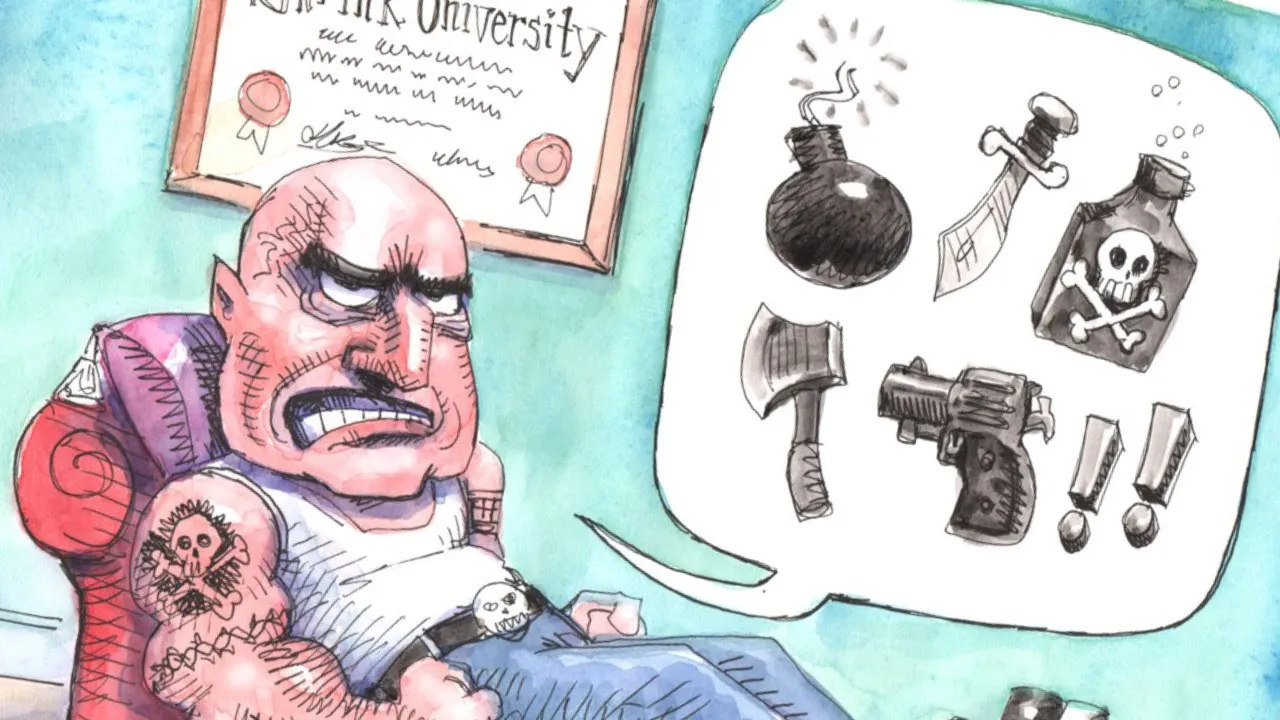
Tarasoff v. Regents of the University of California
Overview of Tarasoff v. Regents of the University of California
Introduction to the Case
- Professor Anthony Siebach introduces the case, highlighting its significance in civil justice and its impact on mental health professionals.
- The case has influenced professional behavior among mental health practitioners, clarifying their responsibilities regarding patient threats.
- Mental health professionals are trained about this case, indicating its importance in both legal and psychological fields.
Background of the Incident
- The case transcends legal boundaries, affecting societal perceptions of risk related to violent behavior.
- The tragic events began on New Year's Eve 1968 when Tatiana Tarasoff was murdered by Prosenjit Poddar after a brief acquaintance at a university party.
- Despite initial friendly interactions, Tarasoff made it clear she did not want a romantic relationship with Poddar.
Escalation Leading to Violence
- Poddar's jealousy escalated during Tarasoff's absence in Brazil; he expressed violent intentions towards her to his therapist, Lawrence Moore.
- Moore reported Poddar’s threat to campus police; however, they deemed him not a threat and did not detain him further.
Legal Proceedings Following the Murder
- After Tarasoff's murder by Poddar two weeks later, a lawsuit was filed against various parties including university police and mental health professionals for negligence.
- The trial judge dismissed claims from Tarasoff’s family due to lack of established legal duty owed by defendants involved in her care.
Implications and Consequences
Tarasoff Case: Duty to Protect or Warn?
Overview of the Tarasoff Case
- The discussion centers on the legal obligations regarding a patient's well-being, emphasizing that whether actions were taken carefully or carelessly is irrelevant since there is no duty to act with care.
- The case was decided in 1976, following years of litigation after the initial incident in 1969, and it went through multiple appeals before reaching the California Supreme Court.
Court's Findings
- The California Supreme Court concluded that out of four claims made by the Tarasoff family, three did not establish a duty; however, one claim did recognize a duty.
- Regarding police officers, the trial judge ruled they acted within their discretionary function and were protected by sovereign immunity from lawsuits related to their actions.
- Mental health professionals also faced no actionable claims for confinement due to sovereign immunity; however, there was an established common law duty to take reasonable steps to protect potential victims.
Key Legal Principles Established
- The court clarified that there is not a blanket "duty to warn" but rather a duty to take reasonable steps to protect individuals if mental health professionals believe a patient poses a serious risk.
- Reasonable steps may include making phone calls or alerting others who could provide necessary intervention rather than solely warning the victim directly.
Impact on Mental Health Professionals
- This ruling marked an evolution in psychotherapy law by establishing clearer expectations for mental health professionals regarding their responsibilities toward third parties at risk.
- Research indicates that prior to this decision, many mental health professionals believed they had the liberty to warn potential victims but were uncertain about their obligations post-Tarasoff.
Behavioral Changes Post-Ruling
- While it’s unclear how often opportunities arise for therapists to act under this new mandatory rule, logic suggests that what was once seen as permissive behavior may now be viewed as obligatory.
- There remains uncertainty about how frequently therapists encounter situations where they must decide whether to warn someone about threats posed by patients.
Professional Relationships and Perceptions
- The ruling has influenced how mental health professionals view their role relative to legal systems; previously seen as allies, they may now feel more adversarial due to liability concerns.
Understanding the Legal Responsibilities of Mental Health Professionals
The Intersection of Mental Health and Malpractice Claims
- Mental health professionals have not traditionally faced malpractice claims like other medical fields, but recent discussions suggest they may now be vulnerable to such legal actions.
- There are a few cases where mental health professionals have been sued for failing to identify repressed memories, particularly in abuse allegations from children against their parents.
- This shift indicates that mental health professionals might be scrutinized for their competency and performance in ways previously unconsidered, especially regarding potential harm to others.
- A key argument is that therapists have a duty not just to their patients but also to third parties who could be harmed by the patient's actions if not properly managed.
Duty to Warn: Identifying Potential Victims
- The discussion highlights the complexities surrounding when a therapist's duty to act is triggered, particularly when a patient expresses harmful thoughts without identifying specific individuals.
- Most jurisdictions recognize a "duty" based on whether there is an identifiable victim; this does not always require a named individual but must involve someone easily recognized as at risk.
- A recent Pennsylvania Supreme Court case emphasized that vague threats (e.g., violence towards residents of an apartment complex) do not create sufficient grounds for action unless victims can be specifically identified.
Legal Framework and Restatement of Torts
- The California Supreme Court's decision was influenced by existing doctrines in tort law, which were somewhat ambiguous regarding duties related to rescue versus control over potentially dangerous individuals.
- The Third Restatement clarifies these duties, stating that special relationships—like those between mental health professionals and their patients—can impose obligations to protect identifiable third parties from harm.
Concerns About Therapeutic Relationships
- There are concerns about how these legal responsibilities might impact the therapeutic relationship; fear of disclosure could deter patients from being honest or seeking help altogether.
- Dissenting opinions in court highlighted worries about societal costs and individual impacts stemming from compromised confidentiality within therapy sessions.
Understanding the Dilemma of Mental Health Reporting
The Consequences of Disclosure in Therapy
- Discusses the potential practical consequences for individuals who disclose thoughts or feelings during therapy, including risks of detention or involuntary commitment.
- Highlights the large number of individuals seeking mental health treatment daily in states like California and New York, with only a small percentage expressing violent ideation.
- Raises concerns about patients who may refrain from sharing non-violent but troubling thoughts due to fear of negative repercussions from their therapists.
Balancing Risks and Benefits
- Introduces a critical ethical dilemma: weighing the life of a potential victim against the therapeutic benefits lost if patients alter their honesty with therapists.
- Emphasizes that mental health professionals must accurately distinguish between genuine threats and benign statements to avoid confusion between false positives and negatives.
Therapist's Predictive Capacity
- Questions whether mental health professionals can effectively differentiate between statements likely to lead to violence versus those that are harmless, complicating risk assessment.
- Argues that if therapists lack this capacity, discussions about balancing costs and benefits become irrelevant since they cannot predict outcomes reliably.
Ethical Dilemmas Faced by Therapists
- Illustrates a scenario where a therapist faces conflicting responsibilities: warning a potentially threatened individual versus protecting patient confidentiality and well-being.
Consensus on Predictive Ability
- Notes that over 40 years, there has been consensus on mental health professionals being better than average at predicting violent behavior based on patient disclosures.
- Acknowledges that while not perfect, trained professionals have more success in mitigating real risks compared to random guessing.
Legal Framework and Hierarchy of Values
Understanding Duty in Mental Health Contexts
The Value of Life and Mental Health
- The discussion emphasizes the prioritization of life over property, suggesting that even intentional acts to protect property should not come at the cost of someone's life.
- It is acknowledged by the mental health community that protecting life and physical well-being takes precedence over promoting mental health, although both are important.
Duty of Care in Mental Health
- A mental health professional's duty to act is only triggered when there is a reasonable prediction of potential violence from a patient.
- Actions taken for protection, such as contacting authorities or providing security measures, are seen as necessary precautions rather than punishments for the patient.
Landmark Case: Tarasoff v. Regents of the University of California
- The Tarasoff case (1976) remains significant in American law regarding mental health professionals' duties to warn potential victims.
- The court's decision reflects a comprehensive review of tort law philosophy, emphasizing risk assessment as foundational to establishing duties between individuals.
Policy Implications and Legislative Responses
- There exists an ongoing debate about whether enforcing duty in mental health treatment incurs too high costs on society, leading to differing opinions among judges.
- This legal discourse raises questions about democratic processes; why such critical discussions occur among judges instead of being addressed legislatively.
Legislative Developments Post-Tarasoff