Unidad manejadora de aire (uma) uta funcionamiento DISEÑO de ductos ACONDICIONAMIENTO climatización
What is an Air Handling Unit?
Introduction to Air Handling Units
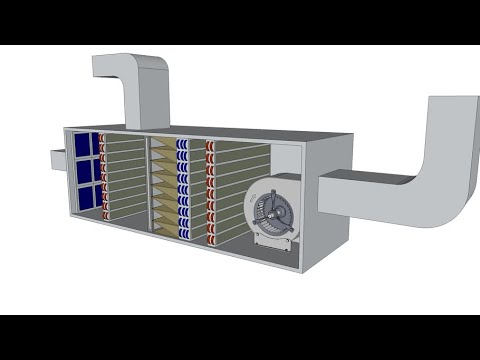
- The episode introduces the concept of the air handling unit (AHU), also known as the air treatment unit (UTA), which is essential for air treatment in HVAC systems.
- AHUs manage ventilation, cleanliness, temperature, and humidity by receiving heat or cold from external sources like boilers or refrigeration units through water or steam pipes.
Location and Design of AHUs
- AHUs are typically found in medium to large buildings, often located in basements, rooftops, or various floors.
- Older skyscrapers may have a single large AHU on the roof; however, modern designs favor multiple smaller units for better control and efficiency.
Purpose and Functionality of AHUs
- The primary functions of an AHU include:
- Taking fresh outdoor air, cleaning it, heating/cooling it, and possibly humidifying/dehumidifying it.
- Forcing conditioned air through ducts to designated areas within a building.
- Returning used air back to the AHU for expulsion into the atmosphere while recycling some for energy savings.
Key Features of Air Handling Units
Structural Components
- Basic models consist of two main ducts: one for supply and another for return airflow.
- An entry mesh prevents foreign objects from entering the system; jumpers control airflow direction by opening/closing as needed.
Filtration System
- Filters are crucial for trapping dirt and dust; without them, contaminants can accumulate in ducts and be inhaled indoors.
- Pressure sensors monitor filter cleanliness and alert maintenance when replacements are necessary.
Temperature Control Mechanisms
Heat Exchange Process
- Cooling/heating exchangers adjust supply air temperatures using fluids like water or steam.
- Centrifugal fans are common but newer installations use variable speed fans for improved energy efficiency.
Monitoring Systems
- Pressure sensors detect fan operation status; if functioning correctly, they create pressure differences that indicate equipment health.
Air Distribution Systems
Ductwork Configuration
- Duct systems distribute conditioned air throughout designated areas while returning used air back to a separate part of the AHU.
Special Considerations in Cold Climates
- In colder regions where outside temperatures approach freezing, pre-heaters warm incoming fresh air to protect internal components from frost damage.
Air Quality Management
CO2 Monitoring Systems
Air Recirculation and Return Air Management
Overview of Air Return in Recirculation Mode
- The return air from building 30 will be rejected when operating in recirculation mode. This indicates a specific operational protocol for managing indoor air quality.
- The goal is to ensure that most of the return air goes back to the local areas (31), highlighting an emphasis on maintaining indoor air circulation.
- In recirculation mode, the main intake and exhaust dampers do not close completely. This suggests a need for continuous airflow management even while recirculating.
- A minimum amount of fresh air must still enter the system, indicating compliance with health and safety standards regarding indoor air quality.