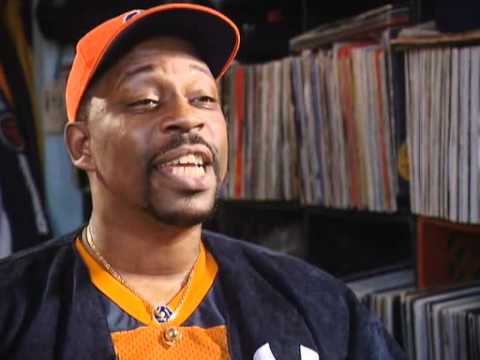
The hip hop years part 1
The Rise of Hip Hop: Origins and Influences
The Emergence of Hip Hop Culture
- Hip hop has become the dominant music genre, outselling R&B, country, and rock, marking a significant cultural shift in the music industry.
- Originating in the South Bronx during the 1970s, hip hop emerged from a context of high unemployment and crime, reflecting the struggles of its community.
- The late 60s to early 70s saw rampant gang activity and drug issues in the Bronx, leading to a need for an authentic musical expression that resonated with local realities.
- Disco music was prevalent but felt disconnected from the lives of ghetto youth; hip hop arose as a reaction against this superficiality.
- DJ Cool Herc is recognized as a founding figure in hip hop culture, creating his first sound system in a housing project in 1971.
DJ Cool Herc's Innovations
- Herc's parties became popular gatherings where young people could break dance and enjoy music that reflected their experiences rather than mainstream disco.
- He pioneered mixing techniques using two turntables to create seamless transitions between songs, focusing on hard-edged funk instead of disco tracks.
- His unique approach involved playing instrumental breaks at peak moments during dances, which energized crowds and defined his style as a DJ.
- This observation led Herc to develop what he called "America Rock," where he mixed various records' breaks to maintain continuous dance rhythms.
- The technique resulted in what became known as break beats; this innovation laid down the foundational blueprint for hip hop music.
Cultural Impact and Dance Evolution
- Cool Herc's innovative methods inspired many young people who attended his parties; they were captivated by his ability to manipulate sound creatively.
- Witnessing Herc’s powerful sound system changed attendees' perspectives on music and performance; it ignited aspirations among youth to pursue similar paths.
- As hip hop developed further, new dance styles like B-Boying (break dancing) emerged alongside it—initially named after "break" sections in songs.
Hip-Hop Origins and Cultural Evolution
The Role of Break Beats in Hip-Hop Culture
- Cool Herc's introduction of break beats marked a pivotal moment for B-boys and D-girls, signaling the high point of jam sessions where dancers showcased their skills.
- Dancing became an essential outlet for self-expression, individuality, and strength, as exemplified by the narrator's awe at witnessing two kids dancing with a boombox on the street.
Personal Journey into Dance
- The narrator expresses admiration for the energy of street dancers, wishing to emulate their moves despite physical challenges faced while trying to replicate complex tricks.
- The crowd's engagement during performances highlights how music can elevate the atmosphere and create a shared experience among participants.
Emergence of Afrika Bambaataa
- By the mid-70s, Cool Herc’s influence spread throughout the Bronx, leading to imitators like Afrika Bambaataa from Bronx River Projects who sought to innovate DJing styles.
- Bambaataa recognized his affinity for certain beats played by DJs and began developing his unique sound after graduating high school.
Transition from Gang Leader to Cultural Icon
- Bambaataa’s musical experiments drew attention in his neighborhood; he aimed to introduce new sounds that were not mainstream but resonated with local youth.
- Amidst gang violence in the Bronx during the 70s, Bambaataa transitioned from being a notorious gang leader to founding Zulu Nation, promoting peace through hip-hop culture.
Formation of Zulu Nation
- After witnessing violence within his community, Bambaataa redirected his efforts towards creating Zulu Nation—a cultural organization focused on community projects funded by party revenues.
- Originally part of the Black Spades gang known for its fearsome reputation, Zulu Nation transformed into a creative force under Bambaataa’s leadership.
Legacy and Impact on Youth Culture
- Inspired by historical narratives like "Zulu," Bambata envisioned uniting youth under a cultural banner rather than through violence.
- His shift from gang leader to DJ inspired many youths in the Bronx to channel their energies into hip-hop instead of gangs.
Community Engagement Through Music
- Street parties became common as young people set up speakers and turntables outdoors; police often allowed these gatherings as they kept youth occupied.
- Competitive spirit emerged during these events where artists showcased their skills; crowds would judge battles based on performance quality.
The Birth of Hip-Hop: Break Beats and DJ Culture
The Importance of Break Beats
- DJs battled to showcase the best break beats, often sourced from obscure records unknown to rivals. The more unique the break beat, the better it resonated with the crowd.
- Apache became a pivotal track in hip-hop culture, recognized as the B-Boy Anthem and a highlight at parties. Its significance was rooted in its ability to energize audiences.
Early Days of Hip-Hop
- In 1975, hip-hop was nascent, with few outside South Bronx aware of its existence; there were no dedicated hip-hop records yet. DJs mixed existing records to create new rhythms by focusing on break beats.
- Competitiveness among DJs led them to hide their record collections from each other, emphasizing who had access to exclusive beats as part of their reputation.
Discovery of Iconic Break Beats
- DJ Herb discovered an enduring breakbeat from an unexpected source: a cover version of "Apache" by Michael Weiner's Incredible Bongo Band in 1975, which electrified audiences unfamiliar with the original track.
- Apache was referred to as the national anthem of hip-hop; its introduction by DJ Kool Herc created excitement and curiosity among dancers about its origins.
Techniques and Innovations in DJing
- DJs developed innovative turntable techniques like scratching (stopping and rubbing records) without damaging vinyl and backspinning (playing two copies back-to-back) to extend beats creatively. This showcased their skills during performances.
- Rapping emerged later as a skill that evolved from MCing—initially just making announcements—into more complex lyrical expressions over music tracks, enhancing live performances significantly.
Evolution into Hip-Hop Culture
- By late 1970s, "hip-hop" became a term used informally for this emerging culture; it encapsulated various elements including music styles and party atmospheres that characterized gatherings at that time.
- As hip-hop grew beyond neighborhood events into a broader cultural movement, it remained largely unrecognized by record labels and thrived through live performances across different venues like parks or community events.
The Rise of Hip-Hop: From the Bronx to Mainstream
The Early Spread of Hip-Hop Culture
- Hip-hop began in the Bronx and started spreading to other boroughs like Queens, Brooklyn, and Harlem, captivating black teenagers with DJing and rapping.
- Tapes from parties in the Bronx circulated throughout New York City, allowing hip-hop music to reach a wider audience despite lacking mainstream recognition.
- By the late 1970s, hip-hop's appeal was growing in predominantly black neighborhoods but still received little attention from record companies. A pivotal mixtape reached an independent label owner in New Jersey.
The Birth of "Rapper's Delight"
- Sylvia Robinson, impressed by a mixtape's originality, sought an MC for her new hip-hop record and discovered one while visiting a pizza shop.
- The recording session for "Rapper's Delight" took place quickly and efficiently; it was completed in one take and released in 1979 as a dance floor hit.
- Despite its commercial success, "Rapper's Delight" faced criticism within the hip-hop community for being too soft and not representative of traditional rap values.
Controversies Surrounding Lyrics
- Critics pointed out that parts of Big Hank’s lyrics closely resembled those previously performed by Bronx MC Casanova Fly, raising concerns about authenticity.
- Casanova Fly recounted his collaboration with Big Hank at a club where they discussed hip-hop; he later learned that some of his rhymes were used without significant alteration.
- This incident highlighted issues around crediting original artists within the evolving landscape of hip-hop culture during its early commercialization phase.
Graffiti: An Extension of Hip-Hop Culture
- Following "Rapper's Delight," graffiti art also gained exposure as part of hip-hop culture; it originated in the Bronx but spread across New York City through tagging trains.
- Observers noted how graffiti transformed from being seen as vandalism to becoming recognized as an art form showcased in downtown galleries and studios by the early 1980s.
The Rise of Graffiti and Hip-Hop Culture
Fab Five Freddy's Influence on Downtown Scene
- In the early 1980s, graffiti artist Fab Five Freddy became prominent in the downtown scene of Lower Manhattan, connecting with key figures in the new wave punk rock movement.
- He developed friendships with Kristine and Deborah Harry from Blondie, who commissioned his artwork and expressed interest in incorporating him into their music.
- When Blondie released "Rapture," Freddy initially thought it was a joke due to Debbie Harry's unexpected rap performance, which included references to conversations they had about hip-hop culture.
The Cultural Exchange Between Punk and Hip-Hop
- Freddy explained elements of hip-hop culture to Harry, highlighting terms like "fly guys" and "fly girls," drawing parallels between these groups and punk rockers.
- He reminisced about how he introduced Debbie Harry to Bronx culture, leading to her creation of a rap that referenced his experiences.
Impact of "Rapture" on Mainstream Music
- Unlike previous regional hits like "Rapper's Delight," Blondie's "Rapture" achieved national success by reaching number one on the U.S. charts.
- This marked a significant moment for mainstream audiences as it was often their first exposure to rap music, paving the way for future hip-hop artists.
Hip-Hop's Emergence in Downtown Manhattan
- By 1981, hip-hop began gaining traction in areas where it had previously been overlooked, particularly within downtown Manhattan’s disco and nightclub scene.
- Fab Five Freddy played a crucial role in this cultural shift by curating graffiti exhibitions that showcased influential Bronx artists at venues like the Mud Club.
The Fusion of Cultures at Negril Club
- As part of his involvement with nightlife, Freddy hosted events at Negril Club that attracted diverse crowds from uptown hip-hop communities and downtown punk scenes.
- The interaction between these two groups created an intriguing cultural exchange where both sides learned to appreciate each other's unique styles and expressions.
Mary, Mary: The Influence of Funk and Hip-Hop
The Creative Process Behind "Planet Rock"
- The speaker reflects on the playful nature of music creation, mentioning how Bam-Bot would experiment with various musical elements, leading to a unique sound.
- Inspired by the new wave scene, the artist created "Planet Rock," which became a groundbreaking hit in 1982, merging hip-hop with electronic music and achieving rapid sales success.
- Released under Tommy Boy Records, founded by Tom Silverman, the collaboration began after a conversation about making innovative records using existing samples.
- The artist aimed to create a sound reminiscent of Kraftwerk while highlighting the absence of black electronic groups in the genre at that time.
- During recording sessions at Intergalactic studio, an improvised vocalization by Powwow was included in the final track, showcasing hip-hop's tradition of spontaneity.
Legal Challenges and Cultural Impact
- Despite facing legal issues from Kraftwerk's publishing company over sample use, "Planet Rock" maintained its status as a pioneering hip-hop record that achieved both commercial success and cultural credibility.
- The song opened doors for hip-hop to reach wider audiences and helped bridge gaps between different musical genres like reggae and pop.
- As Bambata celebrated his success with "Planet Rock," rivals Grandmaster Flash and Furious Five prepared to release their own influential track on Sugarhill Records.
Emergence of "The Message"
- Anticipation grew around a new record that could rival "Planet Rock," leading to excitement about Grandmaster Flash's upcoming release titled "The Message."
- Released in July 1982, "The Message" presented raw themes reflecting urban life challenges—marking it as one of rap's most serious tracks at that time.
- Its iconic line “Don’t push me cause I’m close to the edge” resonated deeply with listeners who identified with its struggles during an era marked by social unrest.
- Unlike previous tracks focused on party themes, this song utilized specially composed music crafted by Ed Fletcher (Duke Booty), emphasizing its distinctiveness within hip-hop.
- Initially hesitant about recording such serious content due to prevailing party trends in music, only Mellie Mel from Grandmaster Flash’s group ultimately participated in bringing “The Message” to life.
The Impact of "The Message" on Hip-Hop
Creation and Themes of "A Child is Born"
- The lyricist reflects on writing the line "A Child is Born with No State of Mind," emphasizing themes of innocence and societal blindness.
- The imagery in the lyrics portrays a stark reality, highlighting struggles faced in impoverished environments, such as living in the ghetto and feeling second-rate.
Release and Reception of "The Message"
- The Sugar Hill label chose to release "The Message" under Grandmaster Flash's name due to the group's image aligning with the song's message.
- Initially, acceptance from the group came only after the song became a hit; even Grandmaster Flash had reservations about his lack of involvement in the record.
Individual vs. Group Identity
- The artist expresses frustration over being recognized for a record he did not contribute to significantly, stressing the importance of individual identity over group representation.
- He humorously critiques his fame derived from minimal contribution, questioning whether he should receive financial recognition for it.
Legacy and Industry Impact
- Despite being recorded as their last song before splitting up six months later, "The Message" significantly influenced hip-hop's commercial potential within the music industry.
- The success of both "The Message" and earlier hits like "Planet Rock" marked a turning point that led hip-hop to dominate pop charts over the next decade.
Cultural Significance
- Over time, hip-hop evolved into one of America's most controversial music genres while shaping cultural narratives across various regions, including England.
- Viewers are encouraged to explore other influential factors by visiting Channel4.com for more insights into cultural influences.